Gold is at $4,187 per troy ounce, up 4.10% on the session. That is not a typo, and it is not a one-day story. The metal has now moved so decisively through prior resistance levels that even conservative portfolio managers in Barcelona are being forced to revisit their commodity allocations. Set against a DAX surging 4.49% to 25,779 and a euro that has strengthened to $1.1440 against the dollar, today's market snapshot reads like a risk-on session with a hard-asset underpinning. That combination, risk appetite plus a flight to store-of-value assets, is unusual. When both happen simultaneously, something structural is typically driving it.
The structural driver most analysts point to is the accelerating scramble for critical minerals. Lithium, cobalt, manganese and rare earth elements sit at the centre of every credible forecast for electric vehicle production, grid-scale battery storage and defence electronics through the 2030s. The European Union's Critical Raw Materials Act, which set binding domestic sourcing targets for 2030, has injected urgency into what was previously a slow-moving industrial policy conversation. For investors holding Spanish energy and infrastructure names on the IBEX 35, the implications are direct. Companies such as Iberdrola and Repsol have disclosed varying degrees of exposure to battery supply chains, either through renewable storage contracts or through the downstream consequences of lithium price volatility on their capital expenditure forecasts.
Lithium's Correction Has Created an Entry Point, or a Value Trap
Lithium carbonate prices have fallen sharply from their 2022 peaks, a correction driven by Chinese oversupply and slower-than-expected EV adoption in certain markets. That decline has cooled sentiment toward pure-play lithium miners listed in London and Toronto. But the mood is shifting. Several European institutional desks have quietly been adding to positions in lithium juniors since late May, anticipating that the supply glut will begin to tighten by 2027 as new mine permitting timelines prove longer than producers initially guided. Spain itself is not without relevance here: the Extremadura region holds one of Western Europe's more significant hard-rock lithium deposits, with Infinity Lithium's San José project having attracted serious corporate attention over the past 18 months. Whether that project moves to production within a commercially useful timeframe remains the central question for regional policymakers and investors alike.
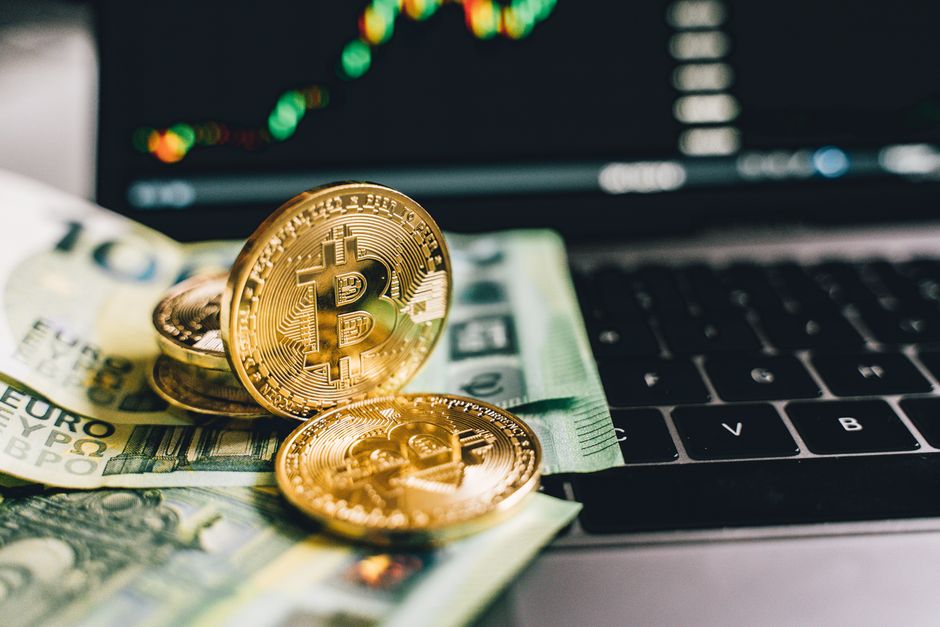
Bitcoin's 6.66% jump to $62,456 today adds a curious data point to the commodities conversation. Digital assets and physical commodities do not typically correlate tightly, but both are responding to the same underlying anxiety: dollar debasement fears, geopolitical supply fragmentation and a loss of confidence in purely financial instruments. Gold at $4,187 and bitcoin above $62,000 on the same session is the market's way of hedging every direction at once. For a Barcelona-based investor with pension exposure to euro-denominated bond funds, that dual signal is worth taking seriously.
WTI crude at $68.78, down 2.78%, complicates the picture for energy-linked miners. Lower oil reduces operating costs for remote mining operations, which is a tailwind for margins, but it also suppresses the inflation expectations that historically propel gold and critical mineral prices together. The net effect for diversified resource investors is roughly neutral on the day, though the trend over the past quarter has favoured hard metals over hydrocarbons. Repsol's refining margins have already felt the pressure from softer crude, and the company's strategic pivot toward low-carbon infrastructure is partly a response to exactly this dynamic.
The euro's strength at 1.1440 deserves its own line in any commodity analysis. A stronger euro makes dollar-priced commodities nominally cheaper for European buyers, which is good for industrial consumers importing lithium from Chile or cobalt from the Democratic Republic of Congo. It also compresses the euro-translated revenues of European mining royalty companies and commodity traders. Investors in Barcelona holding funds with significant North American resource exposure should check whether those positions are hedged, because the currency move this year has been material enough to meaningfully erode unhedged returns.
The practical takeaway for retail investors in Catalonia and across Spain is not to chase gold at its record high, nor to speculate on bitcoin's next move. The more considered approach, according to the broad thrust of institutional research circulating this week, is to build measured exposure to the critical minerals supply chain through diversified vehicles: European-listed ETFs tracking battery metals, or selective positions in midstream processing companies that benefit regardless of which specific mineral wins the technology race. The EU's target of processing 40% of its critical mineral consumption domestically by 2030 creates a policy floor that pure market dynamics alone would not provide. That floor is what makes this sector different from a simple commodity punt, and why the conversation among serious investors in Barcelona has moved from peripheral curiosity to genuine portfolio consideration.