Copper's Signal Is Getting Louder, and Markets Are Listening
A broad commodity rally, a surging euro and gold at record highs are telling the same story: the world is pricing in growth, and copper sits at the centre of every trade.
A broad commodity rally, a surging euro and gold at record highs are telling the same story: the world is pricing in growth, and copper sits at the centre of every trade.
Gold cleared $4,187 an ounce on Saturday, up more than four per cent on the session, and the number alone would be remarkable enough. But the more telling figure for anyone trying to read the direction of the global economy may not be gold at all. It is copper, the red metal that wires factories, feeds electric vehicles and flows through the arteries of every construction site from Shenzhen to Seville. Copper prices edged sharply higher this week, and the broader commodity complex is behaving in a way that seasoned traders associate with one thing: a market that believes real economic activity is accelerating.
The evidence is accumulating across asset classes. The DAX closed at 25,779 on Friday, a gain of 4.49 per cent, a move that does not happen because of sentiment alone. Germany is the eurozone's industrial engine, and when Frankfurt's blue chips surge by that magnitude, it typically means buyers see order books filling up, not emptying. The euro followed, gaining 0.47 per cent against the dollar to reach $1.1440, a rate that compresses margins for European exporters but simultaneously signals that global capital is rotating back into continental assets. For Barcelona-listed names with dollar revenues, the currency move deserves attention.
Economists have called copper "Dr. Copper" for decades, the commodity with a PhD in forecasting because its uses are so fundamental and so widespread that demand for it tends to lead GDP figures by a quarter or two. Copper goes into power cables and plumbing, into wind turbines and semiconductors, into the grid upgrades that every European government is now funding under various green-transition programmes. Spain's own national energy plan, running through 2030, calls for substantial grid reinforcement, and that means copper, at scale, sustained over years.
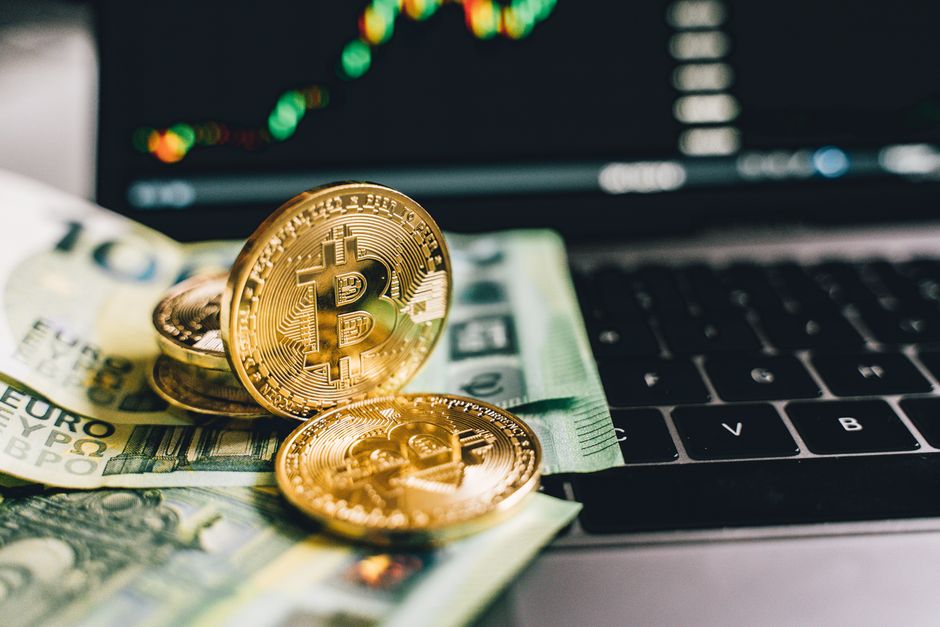
That structural demand story is now colliding with a cyclical one. Bitcoin surged 6.66 per cent to $62,456 on Saturday, a move that historically correlates with a broader risk-on posture among institutional and retail investors alike. The S&P 500 added 1.71 per cent to close at 7,483, and the Nasdaq Composite gained 1.87 per cent to 25,833. When equities, crypto and gold all rise together, it is unusual, and it points to a wall of liquidity seeking a home rather than a simple rotation from one asset to another. Copper, in that environment, tends to move with conviction.
The one dissenter in Saturday's data was crude oil. WTI fell 2.78 per cent to $68.78 a barrel, a drop that complicates the pure growth narrative. Softer oil can mean weaker industrial demand, or it can reflect rising supply from OPEC-plus members who have been gradually restoring output. The balance of the evidence across metals, equities and currencies suggests the latter is more likely, but it is a risk worth watching for anyone holding energy-exposed names on the IBEX 35, where companies such as Repsol carry meaningful sensitivity to the crude price.
For Spanish investors, the copper story has a more direct channel. Iberdrola, one of the IBEX 35's heaviest constituents by market capitalisation, is spending aggressively on grid infrastructure and offshore wind across multiple continents. That kind of capital programme does not happen without copper, and a sustained rise in the metal's price feeds into project costs. The company manages this through procurement contracts and hedging, but a multi-year bull market in copper would eventually show up in capex guidance. Investors in Spanish utility and infrastructure funds are, whether they know it or not, already long copper in a structural sense.
The banking sector, which dominates the IBEX 35 alongside utilities, reads the commodity signal differently. A world in which copper is rising, the euro is strengthening and German equities are breaking out is a world where credit demand from industrial borrowers tends to hold up. Santander and BBVA, both with substantial exposure to European corporate lending, benefit from an environment where companies are investing rather than retrenching. Higher commodity prices also reduce deflationary pressure, which in turn gives the European Central Bank less incentive to cut rates aggressively, keeping net interest margins from compressing as fast as the most bearish forecasts implied six months ago.
None of this means the trade is without risk. A single strong Friday does not a cycle make, and copper's recent gains could still prove premature if Chinese manufacturing data, due later this month, disappoints. China consumes roughly half the world's copper, and any renewed weakness in its property or export sectors would hit the metal hard and fast. But the weight of Saturday's market signals, from Frankfurt's four-per-cent surge to gold's new highs to bitcoin's sharp rally, is pointing in one direction. The world is, for now, betting on growth. And copper, as usual, is leading the charge.
How does this story make you feel?
Spread the word
About this article
Published by The Daily Barcelona
Daily brief
Free, in your inbox before 7am. Weekdays.
More in Finance