Gold hit $4,187 a troy ounce on Friday, a single-session gain of more than 4 percent, and that number alone tells you something important about the state of the world economy in the first week of July 2026. When the metal rallies that hard on a day when equities are also climbing, the message from markets is not pure optimism. It is a hedged kind of confidence: investors are buying growth assets in Frankfurt and New York while simultaneously paying a significant premium for the oldest safe haven in the financial system. For ordinary residents of Barcelona, that tension shows up in everything from the yield on their pension fund's bond allocation to the interest rate on their Euribor-linked mortgage.
The headline equity numbers are striking. Germany's DAX closed at 25,779, up 4.49 percent, one of its stronger single-day performances of the year. The S&P 500 reached 7,483, a gain of 1.71 percent, and the Nasdaq Composite finished at 25,833, up 1.87 percent. The IBEX 35, which carries heavy weightings in Santander, BBVA, Iberdrola and Repsol, tends to track Frankfurt and Wall Street with a lag on days like this, but the directional pull is real. Shareholders in any of those large Spanish names, or in any diversified Spanish equity fund, will have felt the benefit. Pension savers enrolled in plans managed by CaixaBank Asset Management or Mapfre, both of which hold substantial European equity exposure, will see their quarterly statements reflect something of this rally.
The Euro, Your Mortgage and the Cost of Imported Goods
The euro rose to 1.1440 against the dollar, a gain of 0.47 percent. For Barcelona residents that matters in two practical directions. First, the stronger euro compresses the euro-denominated cost of dollar-priced commodities, most importantly crude oil. WTI fell to $68.78 a barrel on Friday, down 2.78 percent, which, combined with euro strength, puts downward pressure on European fuel prices at the pump. Filling a tank at any Repsol or Cepsa station in the city could get marginally cheaper over the coming weeks if both trends hold. Second, a firmer euro makes imports from the United States and other dollar-bloc economies less expensive, offering some relief to the lingering inflation that has squeezed household budgets across Catalonia since 2022.
The mortgage picture is more nuanced. Spanish variable-rate mortgages are almost universally indexed to the 12-month Euribor, and the European Central Bank's rate path, not Friday's equity rally, drives that benchmark. The ECB's next scheduled meeting falls in late July. Market pricing going into the weekend suggested at least one further rate reduction before year-end, a view that a stronger euro and lower oil prices both support by giving the Frankfurt institution more room to ease without stoking imported inflation. For the roughly 4.5 million variable-rate mortgage holders across Spain, any cut to Euribor, however incremental, translates directly into a lower monthly payment. A household carrying a 200,000-euro mortgage on a 20-year term at a current Euribor-linked rate would save meaningfully from even a 25 basis-point reduction.
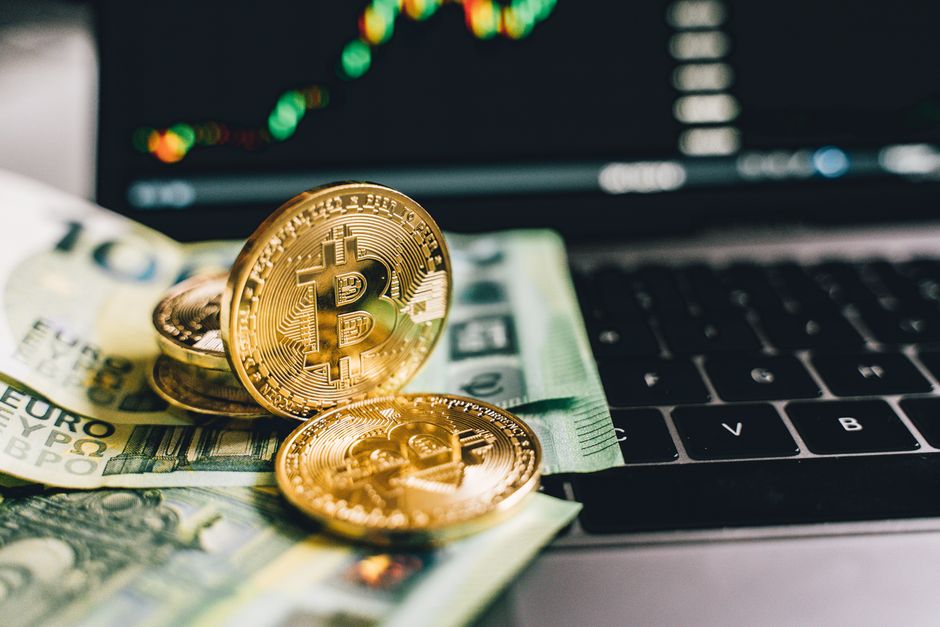
Bitcoin's surge to $62,456, a gain of 6.66 percent on the day, is worth noting for a different audience. Crypto ownership in Spain has grown steadily, particularly among younger urban professionals in Barcelona's technology and startup sector. The Agencia Tributaria requires Spanish residents to declare crypto holdings above 50,000 euros held on foreign exchanges via the Modelo 721 form. A day like Friday, when Bitcoin climbs nearly 6,700 dollars, can push portfolios that were comfortably below that threshold uncomfortably close to it. Anyone who bought in during earlier dips this year should check their position against the current Agencia Tributaria guidance before the December 31 reporting deadline.
The broader picture for Barcelona's economy in mid-2026 is one of cautious resilience. Tourism revenues through the first half of the year have held firm, supporting hospitality and retail employment. The construction sector remains constrained by permit delays and elevated materials costs, though lower energy prices should begin feeding through to building costs by the third quarter. The port of Barcelona, one of the Mediterranean's busiest container terminals, is a direct beneficiary of euro strength, since many of its shipping contracts are priced in dollars, improving the competitive position of Spanish exporters. None of that translates into immediate cash in a resident's pocket, but it reinforces the sense that the city's underlying economic base is more stable than the anxiety visible in consumer confidence surveys might suggest. The honest advice for anyone managing savings or a mortgage right now: watch what the ECB signals in late July more closely than any single day's market move, however dramatic that move happens to be.