Gold is trading at $4,187 a troy ounce, up more than four percent on the session, and that single figure tells you almost everything you need to know about the mood in global markets on this Fourth of July. Investors are nervous. When they are nervous, they hedge. And when the hedges are this crowded, it usually means the underlying economic data, from wages through to consumer spending, are sending mixed and uncomfortable signals, including in Barcelona.
The euro is at 1.1440 against the dollar, a gain of nearly half a percent on the day, which is a double-edged result for households and listed companies here. A stronger euro reduces the cost of dollar-denominated imports, including energy, giving some breathing room on utility bills. But it also compresses the earnings that IBEX 35 multinationals repatriate from dollar markets, and Spain's largest banking and infrastructure names report in euros while competing globally. Santander, BBVA and Iberdrola are all sensitive to that translation drag, and their share prices this week have reflected that tension.
Crude oil is at $68.78 a barrel, down close to three percent, which should in theory provide relief at the pump and reduce input costs across logistics and manufacturing sectors concentrated in the Barcelona metropolitan area. In practice, the pass-through to Spanish consumers has been slower than the headline move suggests. Fuel taxes, distribution margins and the stickiness of service-sector pricing all act as buffers that delay, and often dilute, the benefit to household budgets. The city's transport and industrial corridor running south toward Tarragona has been particularly exposed to these lags.
Wages Are Rising, But Not Fast Enough
The core problem for Barcelona workers and their employers is the gap between nominal wage growth and real purchasing power. Spanish collective bargaining agreements concluded in the first half of 2026 have generally delivered increases in the three to four percent range. Headline inflation, while it has moderated from its post-pandemic peaks, has not fallen far enough to make those rises feel meaningful at the supermarket checkout or on the monthly mortgage statement. The result is that real wages, adjusted for prices, have moved only marginally in positive territory, leaving little room for the discretionary spending that retailers and hospitality businesses on Passeig de Gràcia and in the Eixample district depend on.
Variable-rate mortgages remain a point of acute stress. A substantial share of Barcelona homeowners remain on Euribor-linked loans, and while rates have pulled back from their 2023 highs, the reset levels that many households locked in during 2024 and 2025 are still materially higher than the near-zero environment of the preceding decade. The monthly payment shock has not gone away. It has simply become normalised, and that normalisation is quietly suppressing consumer confidence in ways that aggregate spending data can obscure.
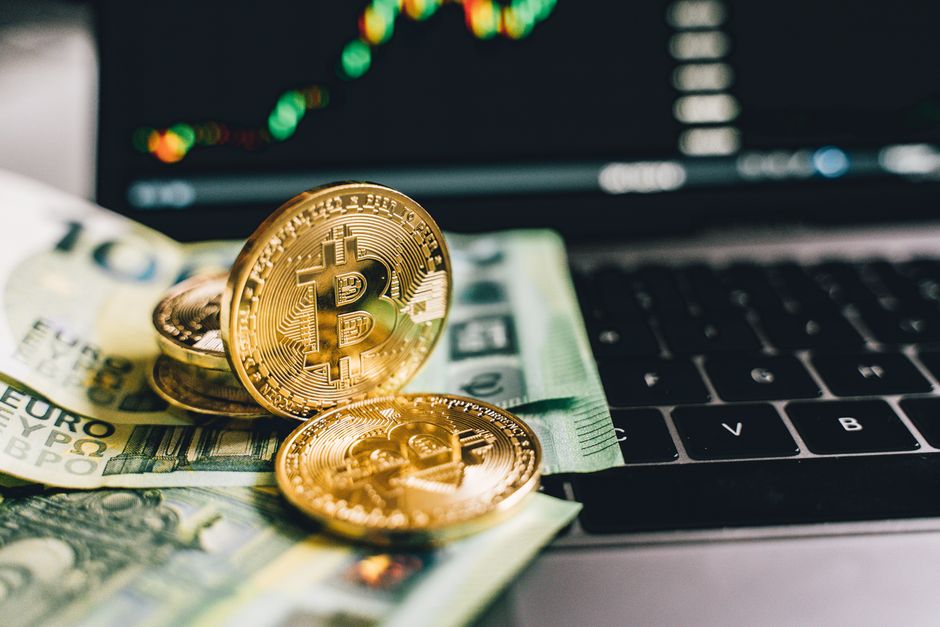
Bitcoin's surge to $62,456, a gain of more than six percent on the day, is a footnote for most Barcelona households but not an irrelevant one. A growing cohort of younger workers in the city's technology and digital-services sectors hold crypto positions as part of their savings mix, and sharp moves in either direction affect both their net worth and their spending mood. A six percent day sounds spectacular; it is also a reminder that this is not a store of value in any conventional sense, and financial planners across the city have spent the better part of 2026 managing expectations on both sides of that argument.
Equity markets offer a more complicated picture for pension savers. The DAX is up 4.49 percent, the S&P 500 has gained 1.71 percent and the Nasdaq is ahead by 1.87 percent. Spanish pension funds with diversified European and international equity exposure will welcome today's session. But a single strong day does not erase the broader uncertainty that has characterised the first half of 2026, and the funds managed through Spain's occupational pension system, bolstered by the mandatory employer contributions that took effect under the 2023 reform package, remain underweight domestic equities relative to their European peers. That structural tilt has helped on days like today but leaves Catalan savers less exposed to any IBEX recovery than they might expect.
The outlook for the second half of 2026 hinges on two things: whether the European Central Bank moves again before the year ends, and whether the global demand signals embedded in gold's rise prove to be precautionary or predictive. If the former, Barcelona households get some mortgage relief. If the latter, the broader slowdown that investors appear to be pricing will eventually show up in employment data and wage negotiations. For now, the numbers are pulling in too many directions at once to call a clear turn, and that ambiguity is itself a headwind for anyone trying to plan a household budget or a business investment cycle in this city.