Gold touched $4,187 per troy ounce on Friday, a gain of 4.10 percent in a single session, and that number matters more to Barcelona than it might first appear. The metal's climb, running alongside a DAX that surged 4.49 percent to 25,779 and an S&P 500 that pushed to 7,483, reflects a market pricing in something complicated: simultaneous appetite for risk assets and for the oldest safe haven on the periodic table. When those two impulses move together, it typically signals that investors believe liquidity is abundant but uncertainty about the medium term has not gone away. For households in Catalonia with exposure to euro-denominated pension plans, understanding that tension is not academic. It is the difference between rebalancing now or sitting still.
The euro's move is the most immediately practical data point for Barcelona readers. EUR/USD reached 1.1440, up 0.47 percent on the day, continuing a stretch of euro strength that has eroded the translated returns of any local investor holding unhedged dollar assets. A Barcelonan with savings in a global equity fund benchmarked in US dollars has watched the currency conversion eat into nominal gains even as Wall Street has climbed. At 1.1440, the euro is trading at levels that squeeze Spanish exporters, particularly the industrial and tourism-adjacent supply chains that underpin the Catalan economic base, while simultaneously cutting import costs and keeping inflation pressure contained. The European Central Bank will read that dynamic carefully when it next convenes in Frankfurt.
Startup Capital and the European Tech Moment
Barcelona's startup ecosystem, which by most recent tallies had attracted north of two billion euros in venture funding across 2024 and 2025, finds itself in an interesting position as European equity markets surge. The DAX print of 25,779 is a German index, but it functions as a confidence barometer for the entire continental risk appetite. When Frankfurt's benchmark rises that sharply, capital allocation committees at the large European institutional investors, including the pension vehicles and family offices that have backed Barcelona's 22@ tech district and its surrounding cluster of fintech, health-tech and logistics firms, tend to loosen their stance toward earlier-stage deals. A strong DAX session in July rarely translates into term sheets by August, but it shapes the mood for Q3 fundraising conversations.
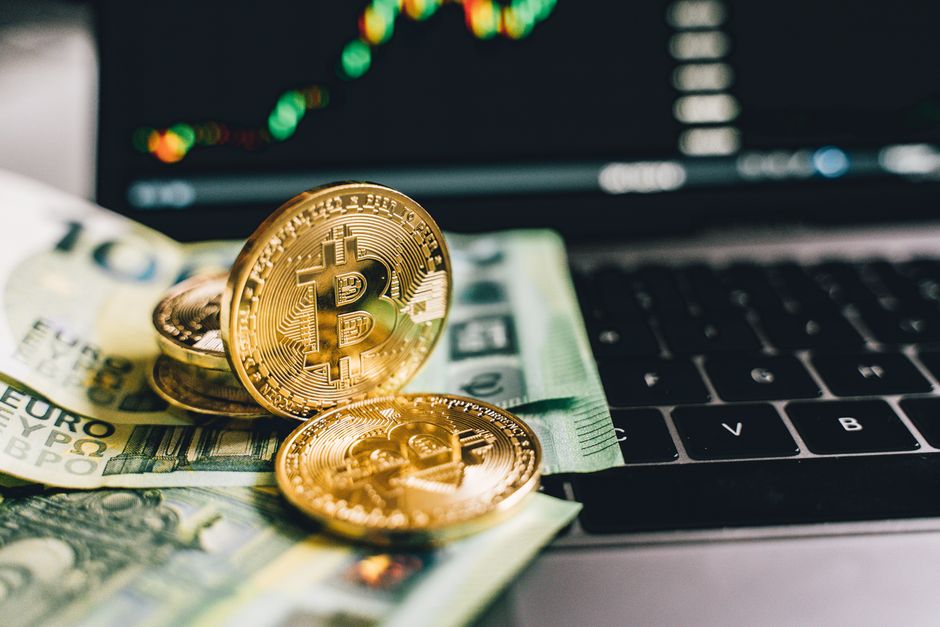
Bitcoin's jump to $62,456, a gain of 6.66 percent on the day, adds a further layer. Several of the city's fintech companies, including firms building payment infrastructure and digital-asset custody tools, have used crypto market momentum to attract international venture capital that might otherwise have stayed in London or Amsterdam. A single-day move of that magnitude, while not unusual in crypto terms, reinforces the narrative that digital assets remain a live asset class rather than a spent one. That matters for founders currently pitching in Barcelona who need non-Spanish investors to see the city as a credible base for regulated crypto-adjacent businesses under the EU's MiCA framework, which came fully into force in December 2024.
Oil's retreat is a quieter but meaningful signal. WTI crude fell 2.78 percent to $68.78 per barrel. For Spain, which imports the overwhelming majority of its crude, cheaper oil is a direct subsidy to household purchasing power and to the transport and manufacturing sectors. Lower energy input costs give Spanish companies slightly more room on margins, and they reduce the probability that the ECB will feel compelled to keep rates higher for longer purely on energy-driven inflation grounds. Barcelona's listed utility and infrastructure names, which trade on the IBEX 35 and carry substantial debt loads refinanced at post-2022 rates, benefit from any signal that the rate cycle is closer to its terminal point than its peak.
The Nasdaq Composite's rise to 25,833, up 1.87 percent, is worth flagging for a specific reason. Barcelona has spent five years cultivating relationships with US technology firms looking for European engineering hubs. Several large American software and semiconductor design companies have expanded offices in the city since 2022, drawn partly by talent costs, partly by EU market access and partly by the city's quality of life. When Nasdaq is strong, those parent companies feel richer on paper, their stock-based compensation packages look more generous to local hires, and their willingness to expand headcount in secondary European cities tends to rise. That is a slow-moving but real linkage between a number on a New York screen and employment decisions taken in Poblenou.
Taken together, Friday's session presents a specific picture. Risk appetite is high. The euro is strong enough to matter to exporters but not yet at levels that have historically triggered alarm in Madrid or Brussels. Gold's surge warns that not everyone is convinced the calm will last. For Barcelona investors, the practical response is familiar: review currency exposure in global funds, watch ECB communication closely for any pivot in tone, and note that the city's startup and fintech sector is entering the second half of 2026 with a more supportive macro backdrop than it had at the start of the year.