The numbers are hard to argue with. The Nasdaq Composite closed at 25,833 on Friday, gaining 1.87% in a single session, while the broader S&P 500 rose 1.71% to 7,483. Across the Atlantic, Frankfurt's DAX added an eye-catching 4.49% to reach 25,779, a move that reflected just how much European risk appetite now tracks the rhythm set by a cluster of American technology giants. For investors in Barcelona holding exposure to global equity funds, pension plans, or the multinational components of the IBEX 35, understanding what is driving the Nasdaq is no longer optional. It is essential.
The Nasdaq Composite is not a balanced index. Its upper reaches are dominated by a small group of companies, loosely called mega-caps, whose combined market valuations exceed the gross domestic product of most European nations. Apple, Microsoft, Nvidia, Alphabet, Amazon and Meta collectively account for a disproportionate share of the index's daily movement. When that cohort moves, the headline number moves with it, sometimes violently. Friday's 1.87% gain was not spread evenly across hundreds of technology companies; it was almost certainly led by a handful of names whose earnings expectations, artificial intelligence spending plans, or regulatory news had shifted in the preceding 48 hours. The structure of the index amplifies their influence on every investor who holds a global tracker fund, an S&P 500 ETF, or a technology-sector unit trust through a Spanish pension or savings vehicle.
Why European and Spanish Investors Cannot Ignore This Trade
The euro rose 0.47% against the dollar to 1.1440 on Friday, which creates a currency headwind for eurozone investors holding dollar-denominated assets. A Spanish investor in a global equity fund who celebrated a 1.87% Nasdaq gain on paper will have seen roughly half a percentage point of that clawed back by the stronger euro. That dynamic matters because the European Central Bank's rate trajectory and the dollar's response to United States fiscal policy are now two of the most important variables in a Barcelona-based portfolio. The ECB's deposit rate decisions ripple directly through the mortgage market here, and they also influence the euro-dollar rate that sets the real return on any Wall Street exposure held in euros.
Gold's 4.10% surge to 4,187 dollars per troy ounce tells a parallel story. Bullion at that level suggests a meaningful cohort of institutional money is simultaneously buying technology stocks and hedging against tail risks, whether those are geopolitical, inflationary, or structural. That is not a contradiction; it reflects a bifurcated market where confidence in artificial intelligence earnings is high but trust in the broader macro backdrop remains fragile. Crude oil's 2.78% fall to 68.78 dollars a barrel adds another layer. Lower energy costs reduce input costs across industrial sectors and can sustain consumer spending, indirectly supporting the revenue projections that justify elevated technology valuations.
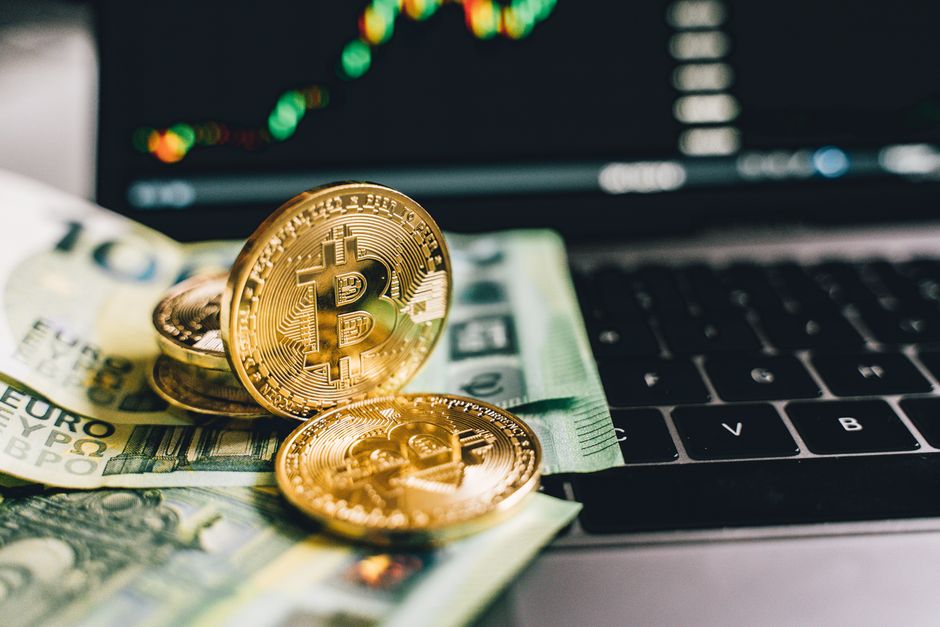
Bitcoin's 6.66% jump to 62,456 dollars is worth noting in context. Cryptocurrency and mega-cap technology tend to rally together when liquidity conditions feel generous and risk appetite is broad. Friday saw both. That correlation has become more reliable as institutional adoption of digital assets has grown, and it reinforces the sense that Friday's session was driven by a generalised surge in appetite for high-growth, high-volatility assets, not by a single catalyst.
For the IBEX 35 and its Barcelona-listed constituents, the mega-cap technology trade operates through several channels. Spanish banks, which represent a significant share of the index, are exposed to global credit conditions that tighten or loosen partly in response to where American growth expectations are pointing. Utility and infrastructure companies listed in Madrid and monitored closely by institutional investors here tend to re-rate when bond yields shift, and bond yields shift when Federal Reserve expectations shift, which in turn shift when the Nasdaq is pricing in either a soft landing or a recession. The connections are indirect but real.
The practical implication for a reader in Barcelona reviewing a pension statement or a brokerage account is this: a global equity fund with a standard market-cap weighting will now have somewhere between 20% and 30% of its assets tied to fewer than ten American companies. That concentration has delivered extraordinary returns over the past several years. It also means that a bad earnings season from Microsoft or a regulatory shock to Alphabet can erase gains across a supposedly diversified portfolio in a single afternoon. Friday was the good version of that story. Not every Friday will be.