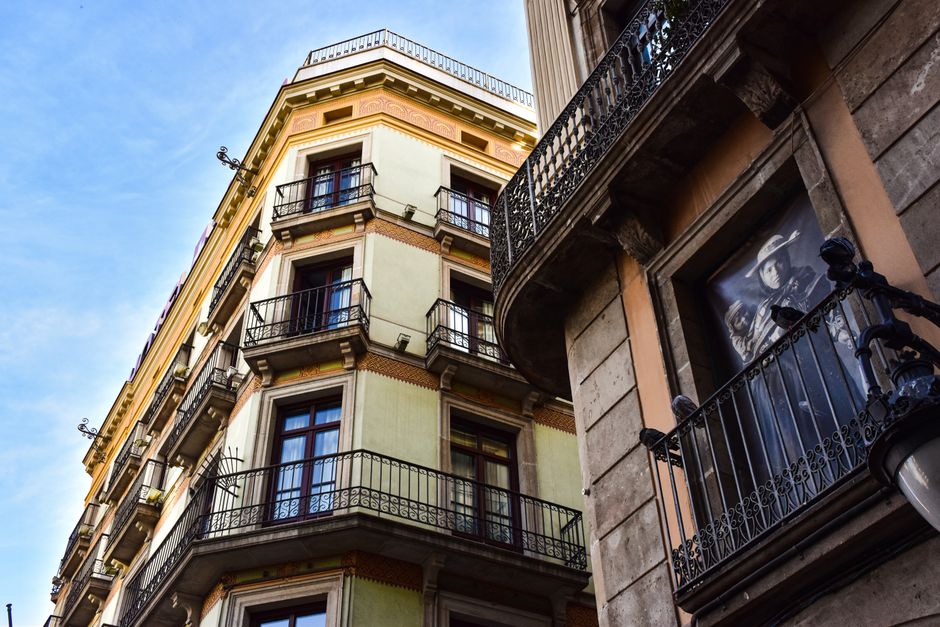
Sant Andreu Barcelona Property: €400M Investment Boom
Sant Andreu emerges as Barcelona's most affordable investment district with €400m+ in approved mixed-use projects, offering 30% savings versus Eixample while keeping metro access.
Sant Andreu emerges as Barcelona's most affordable investment district with €400m+ in approved mixed-use projects, offering 30% savings versus Eixample while keeping metro access.
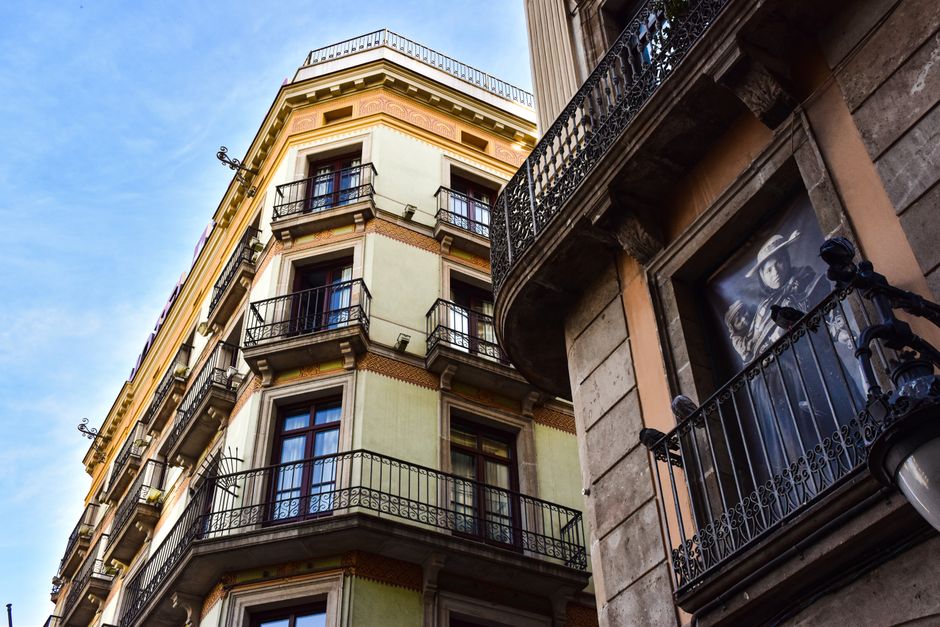
Sant Andreu, Barcelona's historically working-class northern district, has quietly emerged as the city's most compelling investment frontier. Fresh planning approvals for mixed-use developments totalling over €400 million have arrived in the past eighteen months, signalling a fundamental shift in how developers and investors view the neighbourhood's potential.
The catalyst is straightforward: space, affordability, and infrastructure. While Eixample commands €5,200 per square metre and Poblenou's tech-driven premium has accelerated rents citywide, Sant Andreu still trades at roughly €2,800–€3,200 per sqm—a 30–35% discount to central Barcelona. Yet the neighbourhood boasts direct metro access via Lines 1 and 5, proximity to the Besòs riverfront regeneration, and a growing ecosystem of independent retailers, galleries, and food venues along Carrer de Còrsega and near the Mercat de Sant Andreu.
Two flagship projects exemplify the momentum. The redevelopment of the former industrial site near Carrer de Gaudi has secured permits for 450 residential units paired with 8,000 sqm of commercial and office space—a phased completion by 2029. Simultaneously, a second major intervention around Plaça de Sant Andreu targets 280 apartments alongside public realm improvements and a new cultural centre, with groundbreaking expected in Q4 2026. Neither project involves speculative overseas capital alone; Barcelona-based developers are backing both, interpreting local demographic demand rather than tourist arbitrage.
Rising investment activity extends beyond residential. The district's industrial heritage has attracted workspace operators seeking alternatives to inflated Poblenou rents. Three new co-working and studio facilities have opened since 2024, targeting creative and tech tenants priced out of established clusters.
However, momentum brings friction. Local residents' associations have voiced concerns over density, parking pressure, and the risk of gentrification replicating patterns seen in Gràcia and Sarrià. The city council's planning department has responded by mandating affordable housing quotas of 20–25% in new approvals—higher than the standard 15%—and requiring developer contributions to local transport and community infrastructure.
Market watchers note Sant Andreu's appeal also reflects broader cycle dynamics. With tourist rental pressure mounting in traditional central neighbourhoods and regulatory caps tightening, investors are recalibrating towards residential stability and long-term yields over short-term holiday-let turnover.
For prospective buyers and investors, Sant Andreu represents neither speculation nor established premium. It is a neighbourhood at inflection—affordable enough to offer genuine entry-point pricing, yet sufficiently transformed by planning approvals and infrastructure investment to suggest sustainable appreciation. The next three years will determine whether it becomes a blueprint for equitable urban densification or another iteration of displacement.
This article was compiled by AI from the sources linked above and screened before publishing. See our editorial standards.
How does this story make you feel?
Spread the word
About this article
Published by The Daily Barcelona
Daily brief
Free, in your inbox before 7am. Weekdays.
More in Property