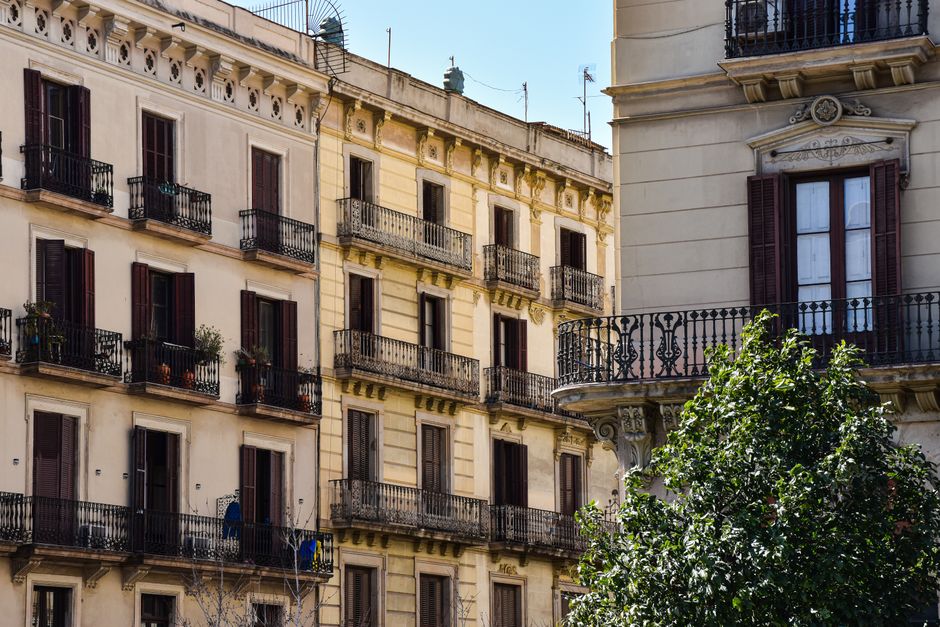
Barcelona's rental market has become a game of musical chairs with shrinking seats. At an average of EUR 4,000 per square metre, property ownership remains aspirational for many—but for renters already locked into leases, the pressure is equally suffocating.
Walk through Eixample's tree-lined avenues or the increasingly trendy streets of Poblenou, and you'll find landlords caught between rising municipal taxes, stricter regulation, and tenant protection laws that have fundamentally altered their investment calculations. A one-bedroom flat on Passeig de Sant Joan that commanded EUR 1,100 monthly five years ago now rents for EUR 1,450—yet the owner's expenses have climbed faster than income. Property taxes have increased, building maintenance costs continue their relentless march, and the new vivienda regulations limiting short-term rentals have forced many small investors out of the game entirely.
Tenants, meanwhile, face a different horror. In Sant Martí, where young professionals and families have traditionally found breathing room, rents have accelerated beyond wage growth. A modest two-bedroom in the neighbourhood now averages EUR 1,200-1,300, consuming 40-45% of a median salary. The tourist rental pressure that has engulfed Gràcia and the Gothic Quarter is creeping eastward, squeezing traditional residents further.
The tension between these two groups has never been sharper. Landlords argue they're being squeezed into unprofitability; tenants counter that affordable housing is vanishing. Barcelona's Housing Commissioner recently highlighted that rental affordability has deteriorated faster here than in Madrid or Valencia, yet supply remains constrained by regulatory uncertainty.
Some property owners are simply exiting. Others are converting units to holiday lets—despite regulatory restrictions—betting that short-term tourism revenue justifies legal risk. Meanwhile, tenant associations report increasing complaints about maintenance neglect as some landlords milk existing contracts while planning exits.
The Generalitat's rent stabilisation measures have provided temporary relief in some districts, but they've also discouraged new landlord investment, paradoxically tightening supply further. Real estate professionals note that institutional investors are now dominating Barcelona's market, replacing small owners—a shift that tends to produce higher rents and lower flexibility for tenants.
Neither side is winning. The rental market that once balanced reasonable returns for owners with stable, affordable housing for residents has fractured into something more adversarial. Until Barcelona's policymakers address supply-side constraints and the fundamental mismatch between wage growth and housing costs, both tenants and small landlords will remain casualties of a market that has outgrown its own foundations.
This article was compiled by AI from the sources linked above and screened before publishing. See our editorial standards.