Barcelona's property market has matured into a two-speed system, and the gap between speculative capital appreciation and genuine rental yields has never been wider. For investors serious about cash flow rather than pure asset growth, the data tells a sobering but navigable story.
At the city average of €4,000 per square metre, a typical 80-square-metre apartment in central Barcelona costs €320,000. With annual rental yields hovering between 3.5 and 4.2 per cent across prime neighbourhoods, that translates to roughly €11,200 to €13,440 in gross annual rent. After accounting for community fees (€150–€250 monthly), property tax, maintenance, and vacancy allowance, net yields compress to 2.1 to 2.8 per cent—barely outpacing inflation and long-term bond rates.
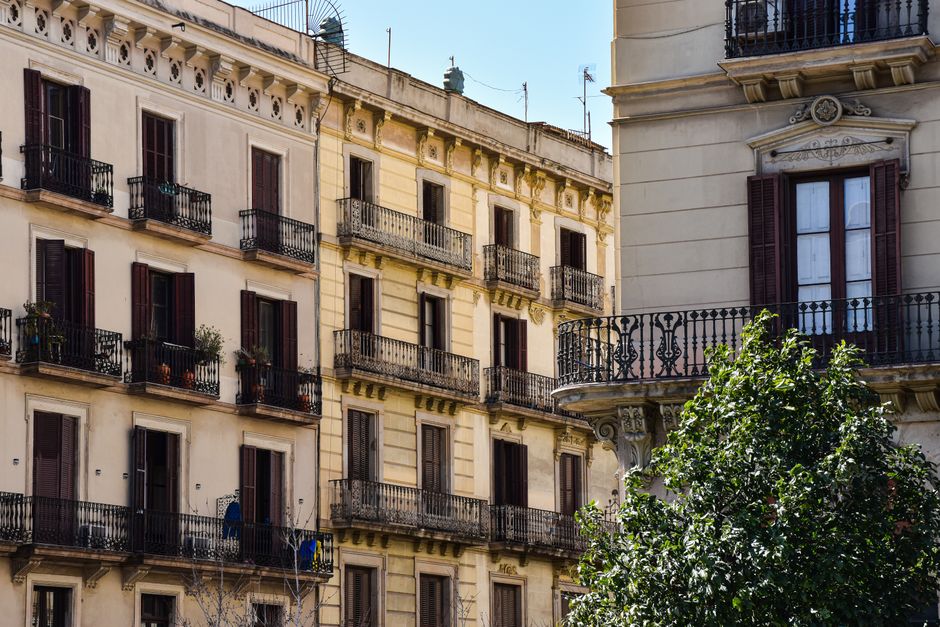
Eixample, the city's premium district, exemplifies this squeeze. Despite commanding €5,000–€5,500 per square metre, rental demand is intense but fragmented across short-term tourist rentals and long-term residential leases. Investors chasing heritage buildings along Passeig de Gràcia face higher acquisition costs and heritage restrictions that limit renovation flexibility. The trade-off: stable mid-3 per cent yields, but limited upside from capital appreciation without zoning changes.
The emerging opportunity lies in secondary corridors. Poblenou—the former industrial district now rebranding as a tech hub—trades at €3,200–€3,800 per square metre. New office conversions near Pujades Street and the regenerated industrial waterfront have driven long-term residential demand from young professionals. Here, investors are capturing 4.5 to 5.2 per cent gross yields, with lower acquisition prices creating larger percentage returns on capital deployed.
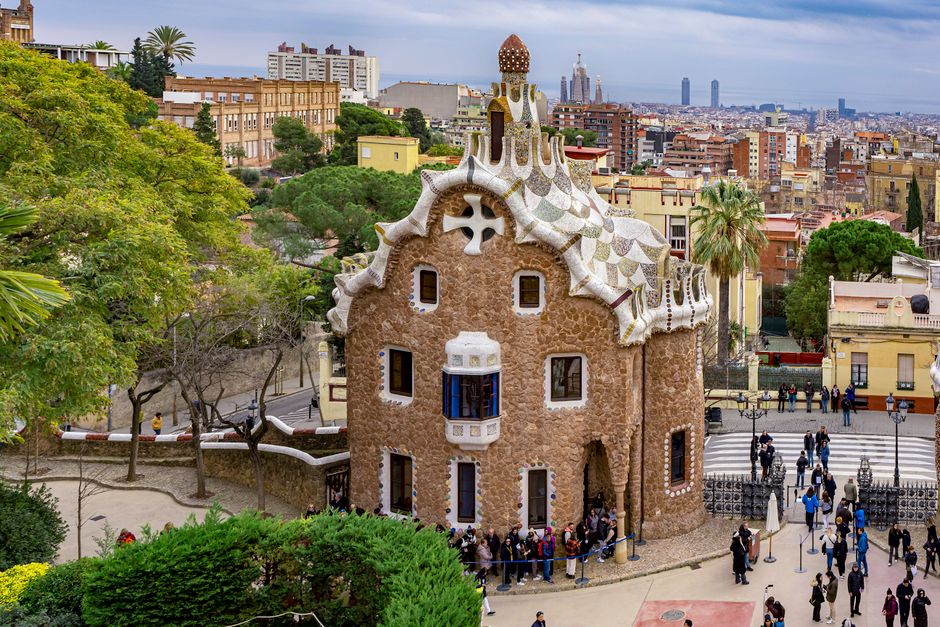
Sant Martí and Gràcia present different profiles. Gràcia's village character and proximity to Parc Güell attract long-term renters willing to pay €900–€1,200 monthly for 60-square-metre apartments costing €240,000–€280,000. The neighbourhood's lower density and strict short-term rental regulations have stabilized yields at 4.1 to 4.6 per cent. Sant Martí, with its mix of regeneration and established infrastructure, sits between secondary and tertiary pricing, offering 3.8 to 4.4 per cent returns to patient investors.
The critical lesson for 2026's investor: yields follow fundamentals. Districts with strong employer hubs (tech in Poblenou, universities in Sant Martí), restricted short-term rental pressure, and genuine demographic demand deliver sustainable returns. Central-location premium continues to compress yields as capital floods in seeking safety rather than income. For landlords focused on monthly cash flow, the numbers suggest looking beyond postcard neighbourhoods—and understanding your neighbourhood's regulatory trajectory matters as much as its current price per square metre.
This article was compiled by AI from the sources linked above and screened before publishing. See our editorial standards.