Barcelona's property investment landscape has fractured into distinct yield zones, and savvy investors are learning to read the map carefully. At the city-wide average of €4,000 per square metre, headline yields hover around 3.5 to 4 per cent—respectable by European standards, but unevenly distributed across neighbourhoods.
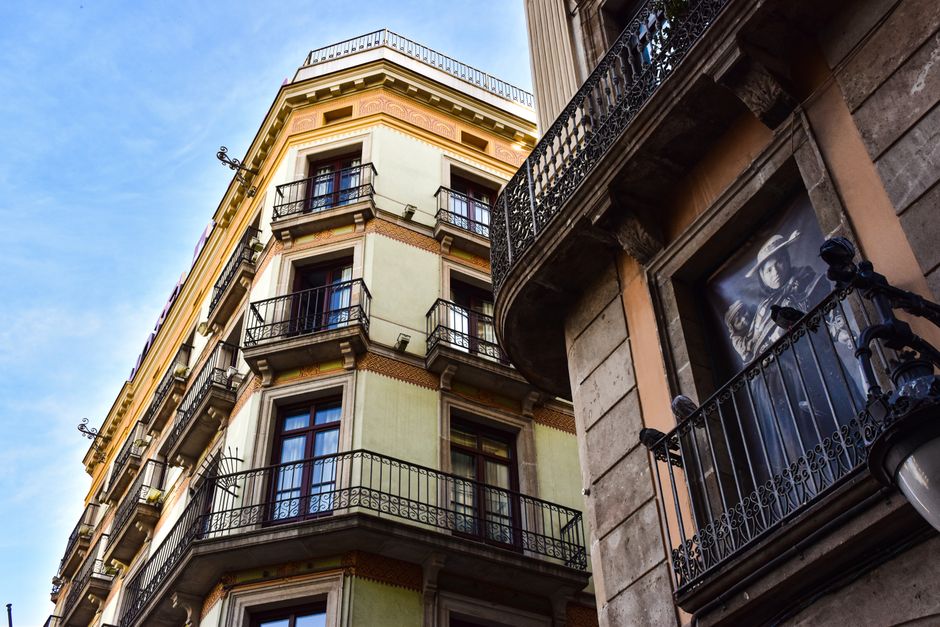
The premium Eixample district, anchored by its modernist architecture and proximity to Passeig de Gràcia, now commands rents exceeding €18 per square metre monthly on quality units. A €500,000 apartment there generates roughly €9,000 annually in rent—a 1.8 per cent yield. For owner-occupiers or long-term wealth holders, this makes sense. For yield-focused investors, it's tight.
The real opportunity lies elsewhere. Sant Martí, particularly around Poblenou's emerging tech corridor near Avinguda Diagonal, is delivering 4.5 to 5.2 per cent yields. A €350,000 two-bedroom there rents for €1,400 to €1,550 monthly, pushing annual returns toward €17,400. The neighbourhood's proximity to co-working spaces, creative studios, and young professionals has rewritten its investment thesis.
Gràcia presents a more mixed picture. Tourist rental restrictions—stricter enforcement of city licensing rules—have dampened short-term yields, but long-term residential rentals around Plaça del Sol and Verdi are solidifying at 4 to 4.5 per cent. Investors abandoning the volatile tourist model are discovering stable tenant demand.
The tourist rental pressure that shaped Barcelona's market for over a decade is fracturing returns. Properties marketed for holiday lets on Carrer de la Boqueria and around the Gothic Quarter once yielded 6 to 7 per cent, but regulatory tightening and platform saturation have compressed those figures to 4 to 5 per cent—often with higher vacancy risk and management costs.
What the 2026 numbers show is a market rewarding discipline. Investors chasing pure yield are finding it in regenerating neighbourhoods like Sant Martí and Sant Andreu, where €300,000 to €400,000 entry points unlock 5-plus per cent returns. Those betting on Eixample appreciation are essentially trading current income for capital growth—a valid strategy, but a different one.
The lesson: Barcelona's investment returns are no longer hidden. They're neighbourhood-specific, tenure-dependent, and increasingly tied to regulatory environment rather than speculation. The investors who win in 2026 are those reading the micro-data, not the macro headlines.
This article was compiled by AI from the sources linked above and screened before publishing. See our editorial standards.