Squeeze Play: How Barcelona's Rental Market Squeeze is Reshaping Neighbourhoods for Tenants and Landlords Alike
As tourist rentals compete with long-term tenancies across Eixample and Gràcia, both sides face a critical reckoning in 2026.
As tourist rentals compete with long-term tenancies across Eixample and Gràcia, both sides face a critical reckoning in 2026.

Barcelona's rental market has reached an inflection point. While property investors celebrate city-centre valuations hovering around €4,000 per square metre, a widening gulf between landlord ambitions and tenant affordability is reshaping how neighbourhoods function—and who gets to live in them.
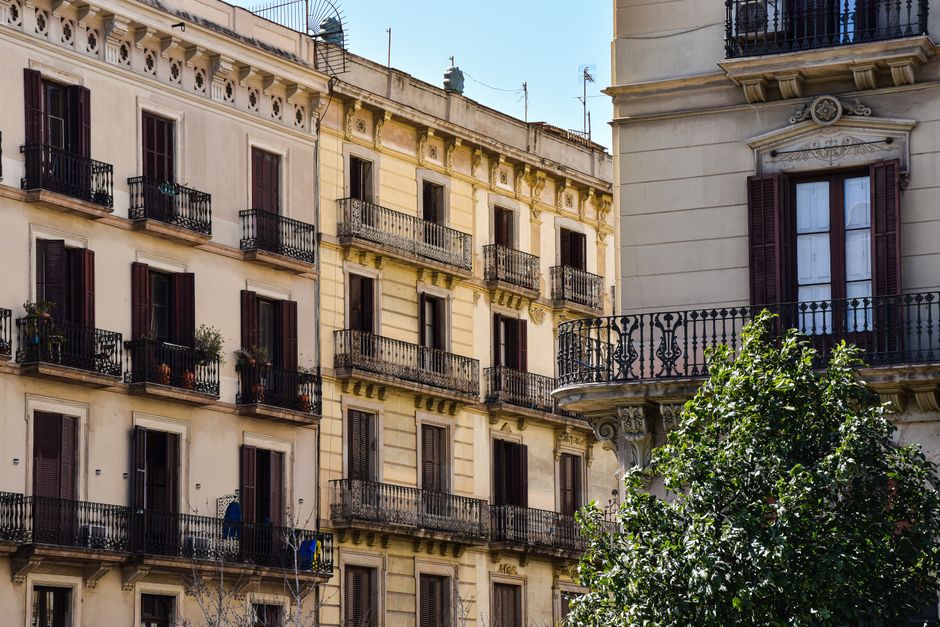
The tension is most acute in Eixample, where premium modernista blocks along Passeig de Sant Joan and Carrer de Còrsega command €18 to €22 per square metre monthly. For a 75-square-metre apartment, that's €1,350–€1,650—pricing that squeezes young professionals and families toward outer rings. Meanwhile, landlords face a confounding calculus: long-term tenants at regulated rates versus the higher volatility of tourist rentals, now heavily scrutinised under Barcelona's stricter licensing regime.
Gràcia tells a different story. The neighbourhood's village-like character around Plaça del Sol and Plaça de la Virreina has historically attracted younger renters seeking community over prestige. Yet even here, average rents have climbed 12–15% since 2024, pushing service workers, artists, and students toward Sant Martí or Nou Barris. Local organisations like the Sindicat d'Habitatge have documented increased eviction pressure, particularly among households earning less than €1,800 monthly.
Poblenou's emergence as a tech and creative hub compounds the shift. Once industrial, now dotted with startups and design studios, the neighbourhood around Rambla del Poblenou is experiencing rapid gentrification. Landlords who once relied on modest long-term rentals now face pressure to capitalise; tenants who chose the area for affordability find themselves priced upward within two to three years.
For landlords, the regulatory environment has become less predictable. New restrictions on short-term rentals—affecting platforms like Airbnb—have forced a recalibration toward residential leases. Yet Barcelona's tenant-protection laws, while protecting vulnerable renters, discourage some traditional landlords from the market entirely. Mortgage rates, hovering around 3.5–4%, have also shifted the calculus for owner-investors.
The human cost is measurable. Housing insecurity reports in Eixample and Gràcia are up; commute times for service sector workers have lengthened as they travel from cheaper neighbourhoods like Cornellà or Sant Boi. Meanwhile, small-scale landlords report narrower margins and longer vacancy periods, despite nominal rent growth.
As Barcelona balances tourism, affordability, and investor returns, both tenants and landlords are learning that the old rental playbook no longer applies. The winners will be those who adapt—and the city that recognises this market needs structural, not cyclical, solutions.
This article was compiled by AI from the sources linked above and screened before publishing. See our editorial standards.
How does this story make you feel?
Spread the word
About this article
Published by The Daily Barcelona
Daily brief
Free, in your inbox before 7am. Weekdays.
More in Property