Barcelona's First-Time Buyers Face New Reality as City Council Reshapes Support and Planning Rules
Tighter eligibility criteria and zoning reforms are shifting where newcomers can afford to buy—and how much help they'll actually receive.
Tighter eligibility criteria and zoning reforms are shifting where newcomers can afford to buy—and how much help they'll actually receive.
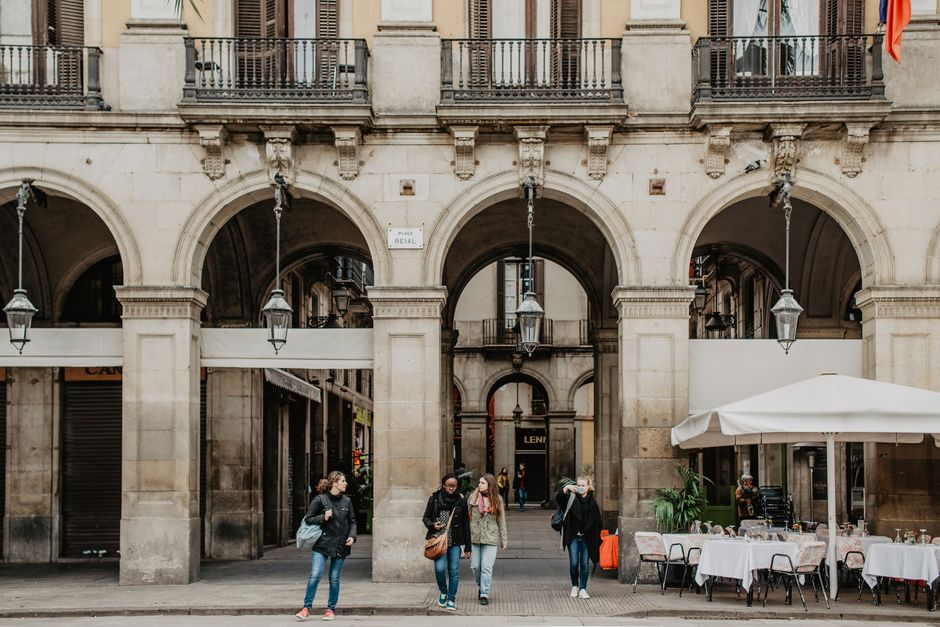
Barcelona's first-home buyer landscape has undergone a seismic shift this year, as City Hall tightened grant eligibility and rewrote planning permissions that directly impact affordability across neighbourhoods. The changes reveal a fundamental realignment: subsidies are narrowing, but development opportunities in emerging areas like Poblenou and Sant Martí are quietly expanding.
Until recently, first-time buyers earning under €35,000 annually qualified for the city's flagship acquisition grant, capped at €30,000. New regulations introduced in January now impose stricter income verification and require proof of Barcelona residency for at least two years—effectively excluding recent arrivals from underserved communities. For those buying in central Eixample, where properties average €6,500 per square metre, the grant now covers marginally less ground than before.
The policy shift coincides with revised planning decisions that favour residential conversion in industrial zones. Poblenou, long marketed as Barcelona's emerging tech district, has seen accelerated permissions for mixed-use developments along Ronda Sant Martí and near the Palo Alto innovation hub. This zoning liberalisation is driving supply—and moderating prices—in areas once considered speculative. Current asking prices in Poblenou hover around €4,200/sqm, roughly 30% below Eixample, making it increasingly attractive to grant-eligible buyers priced out of the Gothic Quarter or Gràcia.
Sant Martí has similarly benefited. The neighbourhood's proximity to metro line 2 and recent completion of the Parc Diagonal Mar regeneration project have made it a logical stepping stone for buyers seeking €300,000–€400,000 properties. Planning approval for new residential stock here—particularly around Avinguda Diagonal and carrer de Còrsega—has accelerated substantially under the revised frameworks.
However, the tightened grant criteria are creating a paradox. While policy encourages supply in secondary neighbourhoods, those actually accessing support funds face higher barriers. Advisors at platforms like the Chamber of Commerce Barcelona report growing numbers of buyers who narrowly miss income thresholds or lack the required residency documentation, forcing them toward private financing or informal arrangements.
The net effect is bifurcated: established residents can leverage grants in emerging zones, locking in gains as those areas develop; newcomers and vulnerable overseas families find fewer pathways to entry-level ownership. For Barcelona's housing advocates, these trade-offs raise urgent questions about whether planning liberalisation truly democratises access, or simply reshuffles inequality across the map.
This article was compiled by AI from the sources linked above and screened before publishing. See our editorial standards.
How does this story make you feel?
Spread the word
About this article
Published by The Daily Barcelona
Daily brief
Free, in your inbox before 7am. Weekdays.
More in Property