Barcelona's property market is at an inflection point. After years of incremental renewal, the city's construction pipeline is thickening with approvals that will fundamentally alter several key neighbourhoods over the next three to five years. What's being built, where, and for whom tells a revealing story about the city's real estate ambitions.
In Poblenou, the industrial reinvention continues. Recent approvals for mixed-use developments along Ronda del Litoral are breathing fresh life into what was once purely manufacturing territory. These projects introduce residential units at an estimated €4,500–€5,200 per square metre—a premium over the city average of €4,000/sqm, reflecting the neighbourhood's ascent as a tech and creative hub. The Poblenou Cultural Centre remains an anchor, but new residential will draw younger professionals seeking proximity to both innovation corridors and Mediterranean access. The tension here is real: affordable housing advocates worry these developments will accelerate gentrification along Carrer de Pujades.
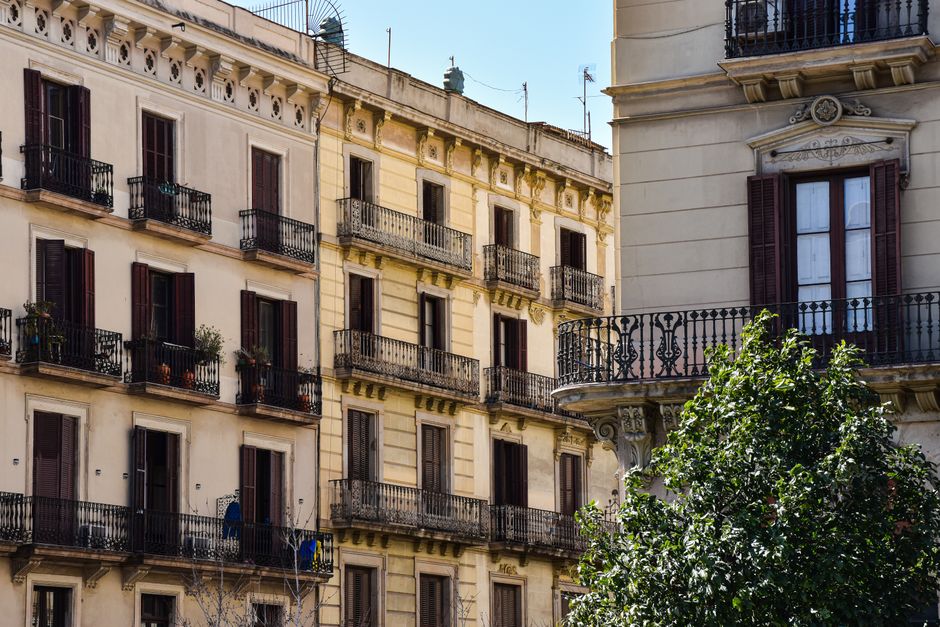
Eixample's development story is subtler but equally significant. Rather than greenfield projects, approvals focus on interior building densification and renovation-plus-expansion schemes on blocks between Carrer de Còrsega and Carrer de Travessera de Gracia. These add perhaps 15–20 units per building, preserving the neighbourhood's character while capturing rising land values that now exceed €5,500/sqm in premium pockets. This approach appeals to planners; it avoids the visual disruption of new towers while maximising supply.
Gràcia presents a different challenge. The Popular Assembly and local civic groups have scrutinised several mid-rise residential proposals around Plaça de la Virreina and Carrer de Verdi, demanding community benefit guarantees. Approved projects here typically include ground-floor retail and cultural space—a compromise that reflects neighbourhood political power. Construction costs remain high; developers report 8–10% per-unit cost inflation driven by sustainability requirements and labour availability.
The broader pattern matters. Barcelona is approving roughly 2,500–3,000 residential units annually across new developments and major renovations. That's meaningful in a market where tourist rental conversions and speculative holding have constrained supply. Yet approvals don't automatically translate to completed stock; permitting delays and financing headwinds can stretch timelines.
For residents, these projects mean choice returning to the market—and prices that will test affordability. For investors, they signal a city still confident enough to build. For neighbourhoods themselves, the challenge remains familiar: growth without displacement, renewal without erasure.
This article was compiled by AI from the sources linked above and screened before publishing. See our editorial standards.