Barcelona's luxury property market has entered a new phase. Gone are the days when a prime Passeig de Gràcia penthouse could be fast-tracked through planning with minimal friction. Fresh municipal regulations—implemented over the past eighteen months—are forcing a fundamental recalibration of how prestige developments are conceived, approved, and priced across the city's most coveted neighbourhoods.
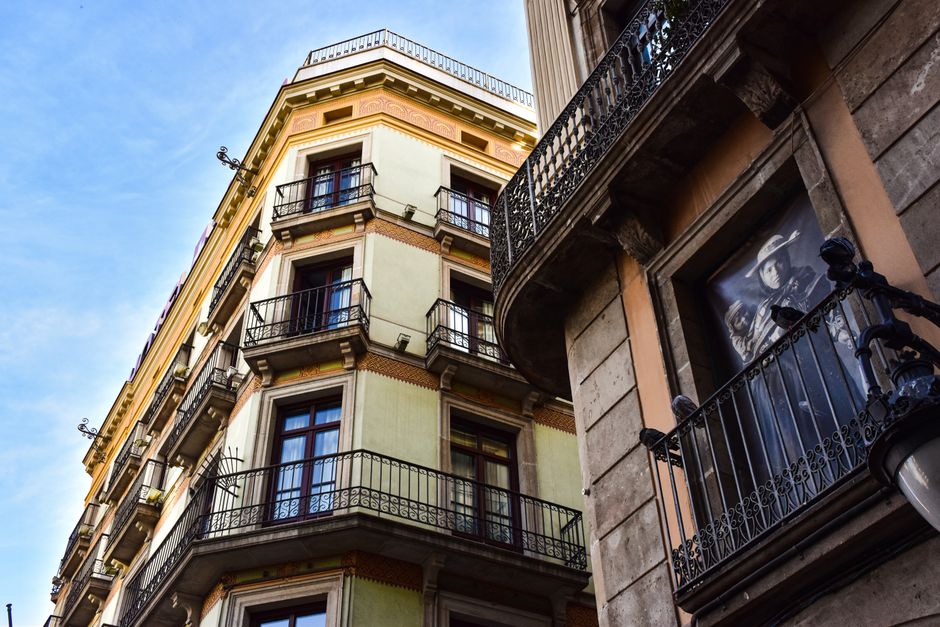
The catalyst has been a series of planning decisions designed to protect Barcelona's architectural heritage and manage density. New restrictions on façade modifications in Eixample's grid, stricter heritage assessments for properties predating 1950, and mandatory public-space contributions have added both time and cost to luxury refurbishment projects. Properties on Carrer de Còrsega and around Plaça de Lesseps that once promised eighteen-month turnarounds now face two-to-three-year approval cycles.
The market impact is visible. High-end properties in hyper-regulated Eixample—historically priced around €5,500–€6,500 per square metre—are experiencing price stabilisation rather than growth. Conversely, emerging alternatives are attracting serious money. Poblenou, with its more flexible zoning for contemporary design, has seen luxury apartment prices climb to €4,800/sqm, up 12% in twenty-four months. Sant Martí coastal properties are similarly benefiting from perceived regulatory breathing room.
Developers are adapting strategically. Rather than pursue controversial demolition-and-rebuild projects in Gràcia, several high-end firms are now targeting boutique renovation-only schemes. These preserve neighbourhood character while commanding premium prices—a calculated response to stricter environmental and heritage impact assessments introduced by Barcelona's planning authority last year.
Tourist rental pressures have complicated matters further. New caps on short-term licences in central districts are reshaping investor calculus. A luxury one-bedroom on Carrer d'Aribau might previously have promised strong Airbnb yields; tighter regulations now push buyers toward owner-occupancy or long-term institutional investment models.
Interestingly, these constraints are creating a bifurcated luxury market. Buyers seeking maximum control and speed are relocating attention to peripheral prestige zones—upscale suburbs like Sarrià and Sant Gervasi see fewer regulatory obstacles. Meanwhile, buyers committed to central living are willing to pay premiums for existing trophy properties that bypass new approval hurdles entirely, concentrating demand on a shrinking pool of ready-to-occupy assets.
For Barcelona's property professionals, the message is clear: policy friction is now a permanent market variable. Understanding municipal planning calendars, heritage classifications, and density caps is as essential as knowing square meterage. The city's high-end market is no longer defined solely by location and aesthetics—regulatory environment has become a decisive investment factor.
This article was compiled by AI from the sources linked above and screened before publishing. See our editorial standards.