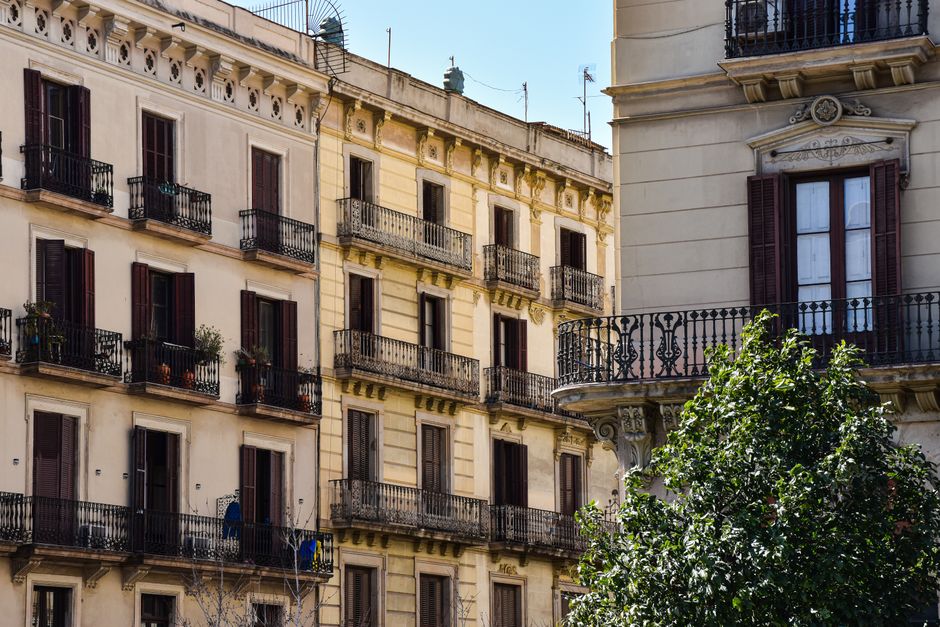
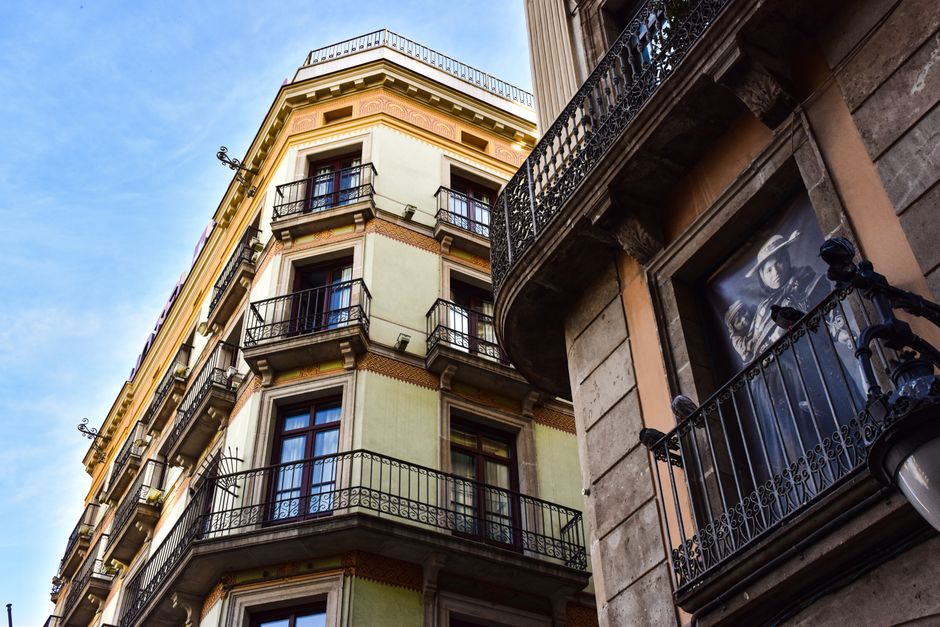
Barcelona's property market tells two stories in 2026. One celebrates rising valuations—Eixample penthouses now routinely fetch €8,000 per square metre—while the other whispers warnings about yield compression that would concern any serious investor.
The numbers reveal a fundamental tension. While Barcelona's average price remains anchored around €4,000 per square metre, premium neighbourhoods are pulling away fast. Yet rental yields, the true measure of an investment's annual return, are contracting precisely where prices climb highest.
Consider Eixample's trajectory. Five years ago, investors could secure 4–4.5% gross rental yields on mid-range apartments near Passeig de Sant Joan. Today, similar properties yield 3–3.2%. A €400,000 apartment that once generated €16,000 in annual rental income now pulls €12,800. That 20% yield erosion matters compoundingly to portfolios betting on monthly cashflow.
The Poblenou tech district tells a different story. Once dismissed as peripheral, this former industrial quarter is attracting young professionals and creative sector workers priced out of Eixample and the Gothic Quarter. Here, newer conversions and purpose-built rentals are sustaining 4.1–4.5% yields, though prices have climbed 35% since 2022. Investors banking on both appreciation and steady income are rotating capital eastward.
Gracia and Sant Marti present another calculus. These traditionally neighbourhood-focused areas maintain healthier yield profiles—3.8–4.2%—while remaining affordable entry points at €3,200–€3,600 per square metre. But saturation looms. Tourist rental pressure, particularly around Mercat de la Llibertat in Gracia, is fragmenting residential markets and attracting short-term operators whose yields mislead.
The broader pattern suggests Barcelona's investor market is bifurcating. Capital-appreciation players continue flooding premium addresses, comfortable accepting 2.5–3% yields for the prestige and assumed long-term gains. But yield-focused investors—particularly those managing pension funds or seeking predictable income—are increasingly selective, favouring Sant Marti's emerging tech corridor and Poblenou's authenticity-plus-infrastructure story.
Market data from June 2026 shows clearance rates softening, particularly in the over-€600,000 segment. That's no coincidence. As rate expectations stabilise and capital gains moderate, the gap between price and income becomes harder to justify.
Savvy investors aren't abandoning Barcelona. They're simply recognising that the best risk-adjusted returns now require looking beyond the obvious addresses where everyone else is already looking.
This article was compiled by AI from the sources linked above and screened before publishing. See our editorial standards.