Barcelona's luxury property market—long anchored by Eixample's tree-lined avenues and commanding EUR 6,000–8,000 per square metre—faces its most significant regulatory shake-up in a decade. The city's revised urban planning framework, formally adopted by the Ajuntament in early 2025, has introduced heritage conservation zones with stricter renovation caps, mandatory green-space ratios, and limits on residential density that are already forcing developers and high-net-worth buyers to recalibrate their strategies.
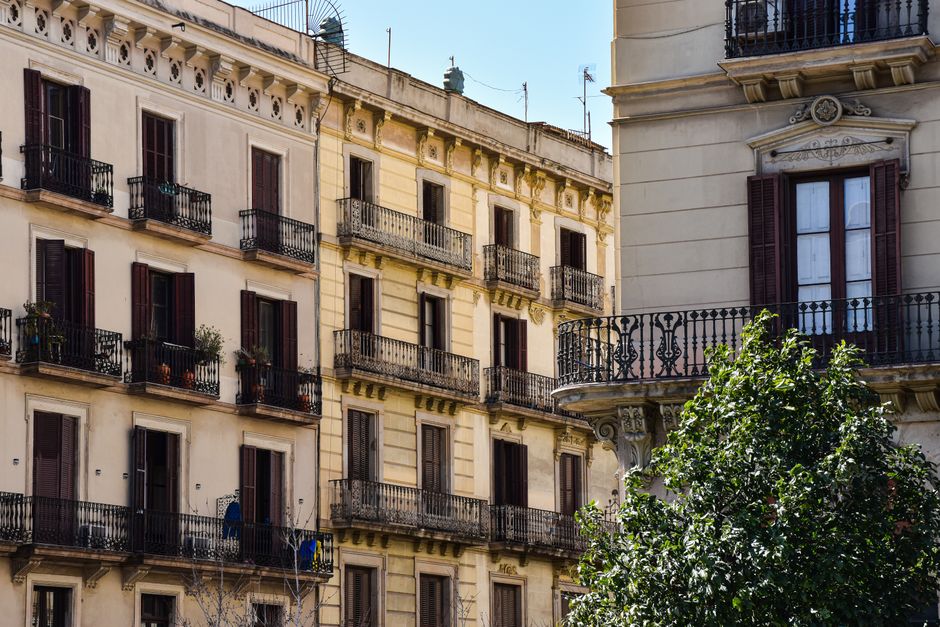
The impact is most visible in Passeig de Gràcia and the surrounding Eixample grid, where prestige projects targeting international buyers have historically commanded premium prices. New regulations require that any renovation of pre-1936 buildings preserve original façades and reduce permitted floor-area ratios by up to 15%. Several major conversion schemes—particularly luxury apartment splits in historic modernista properties—have been delayed or redesigned, with completion timelines shifting by 18–24 months.
"The luxury market thrives on certainty and speed," explains the logic of the shift. Developers who previously could fast-track projects through streamlined approvals now face extended review periods and heritage board consultations. This has created pockets of opportunity elsewhere. Poblenou, the former industrial district now branded as Barcelona's creative-tech hub, has emerged as the primary beneficiary. The neighbourhood's 2024 zoning update permits taller mixed-use developments with residential components, attracting boutique developers targeting €5.5m+ penthouses with tech-forward amenities and communal wellness spaces.
The policy shift reflects broader city priorities: managing overtourism, protecting architectural heritage, and diversifying economic activity beyond central Eixample. Gracia and Sant Martí have also seen renewed interest, though prestige pricing in these neighbourhoods remains below EUR 5,500/sqm—a significant discount to historical Eixample benchmarks.
Data from recent transactions suggests market segmentation is intensifying. While central Eixample properties have softened marginally—down 3–4% year-on-year—select Poblenou projects have appreciated 7–9%, reflecting developer confidence in the new regulatory environment. Foreign investment, particularly from Central European and Middle Eastern buyers, has shifted toward new-build developments with clear planning certainty.
The question now is whether Barcelona's policy experiment will inspire confidence or caution. Developers accustomed to Eixample's ease of execution are hedging bets, while nimble operators see Poblenou and peripheral prestige zones as the next frontier. For luxury buyers, the calculus has changed: heritage cachet comes with regulatory friction; newer neighbourhoods offer speed and upside potential.
The next 12 months will reveal whether stricter planning unlocks sustainable luxury growth or simply redistributes Barcelona's prestige market geographically.
This article was compiled by AI from the sources linked above and screened before publishing. See our editorial standards.