Barcelona's Next Wave: Where to Catch Emerging Talent Voices Today and Beyond
A fresh crop of artists, musicians and performers are reshaping the city's cultural calendar—here's where to find them.
A fresh crop of artists, musicians and performers are reshaping the city's cultural calendar—here's where to find them.

Barcelona's cultural establishment has a problem nobody wants to admit: the next generation isn't waiting for permission. While the Liceu Opera House and the Picasso Museum draw their reliable crowds, a parallel ecosystem of emerging artists has been quietly building momentum across smaller venues, independent galleries and DIY spaces scattered from Gràcia to Raval.
The shift reflects a broader reset in how young creatives operate post-2025. After three years of fragmented touring schedules and streaming-dependent exposure, emerging voices are choosing hyper-local presentation over the traditional festival circuit. Barcelona, with its 1.6 million residents and compact geography, has become a testing ground for this approach. Artists are booking smaller rooms at venues like Sala Apolo in Poble Sec and La Barra in Sant Antoni precisely because intimacy sells faster than capacity numbers.
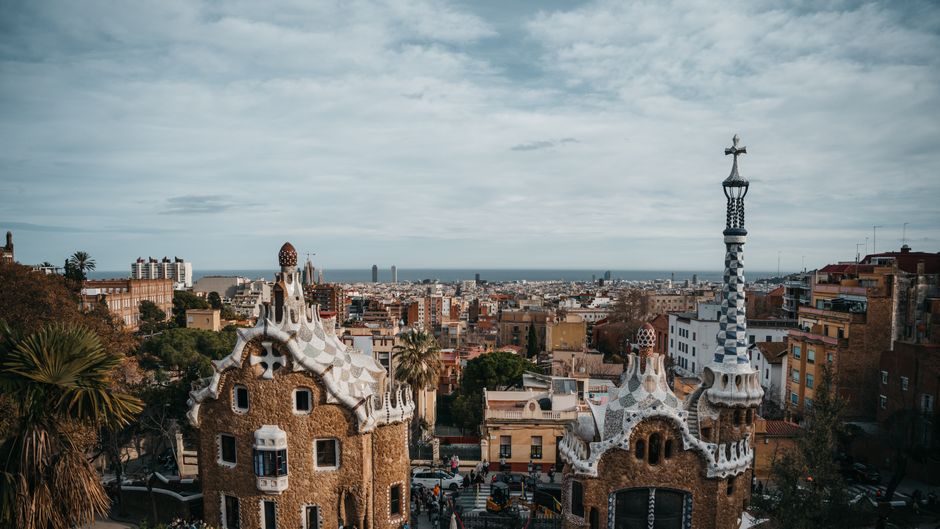
Start with the independent music and arts programming at Casa Calders, a converted factory space in the Sant Antoni neighbourhood that reopened under new direction last spring. The venue has shifted its calendar toward residencies for emerging electronic producers and experimental musicians, with shows typically running Thursday through Saturday. Entry hovers around €12 to €18. More traditional but equally essential is the Sónar offshoot programming at Parc Güell's cultural annexes—while Sónar festival itself happens in June, the venue maintains year-round development programs that showcase early-stage artists most visitors miss.
Gallery-wise, the real discovery work happens in Eixample's side streets. Espai 30x40 on Carrer de Còrsega has become the de facto launching pad for painters and mixed-media practitioners under 35, rotating shows monthly with zero gatekeeping. Walk in off the street and you'll find work that won't appear in major institutions for another five years. Entrance is free, and artists are almost always present during afternoon hours.
According to data from Barcelona's Observatori de Cultura, submissions to city-funded emerging artist grants jumped 47 percent between 2024 and 2025, with 312 individual creators securing institutional support last year—the highest figure since the program began tracking in 2019. Meanwhile, attendance at experimental theatre in smaller venues (under 150 seats) grew 23 percent over the same period, suggesting audiences are deliberately seeking out unfamiliar names. The Mercat de les Flors theatre, the city's primary contemporary dance hub, reports that student showcases and debut artist nights now consistently draw 60-70 percent capacity.
Money matters here. Most emerging artists in Barcelona work on grants between €3,000 and €8,000 per project—enough to rent a venue and cover basic production but not enough to hire major promotion. This constraint has pushed creators toward organic social media strategy and word-of-mouth visibility. A typical emerging artist show costs €8 to €15 to attend, making experimentation financially accessible compared to the €35-€60 price points at established cultural institutions.
What's happening right now, mid-summer, is crucial timing. July is when established programming thins out and emerging creators fill the gaps with experimental runs and pop-up exhibitions. Check listings at INSEREMA (the city's independent visual arts network) and follow @barcelona.noves.artistes on Instagram for real-time scheduling. Several venues offer evening hours until 9 p.m., and most bars in Raval and Sant Antoni will point you toward active spaces if you ask directly.
The next generation isn't overthinking this. They're making work, showing it in smaller rooms, building audiences neighbourhood by neighbourhood. If you want to understand what Barcelona's cultural conversation looks like in 2027, you need to be paying attention now.
How does this story make you feel?
Spread the word
About this article
Published by The Daily Barcelona
Daily brief
Free, in your inbox before 7am. Weekdays.
More in culture