culture
Barcelona’s Creative Resistance: The Community and Movement Driving This Cultural Shift
While international headlines focus on geopolitical fragility, a grassroots coalition of local artisans and organizers is reclaiming public space to redefine the city’s post-heatwave identity.
How we reported this
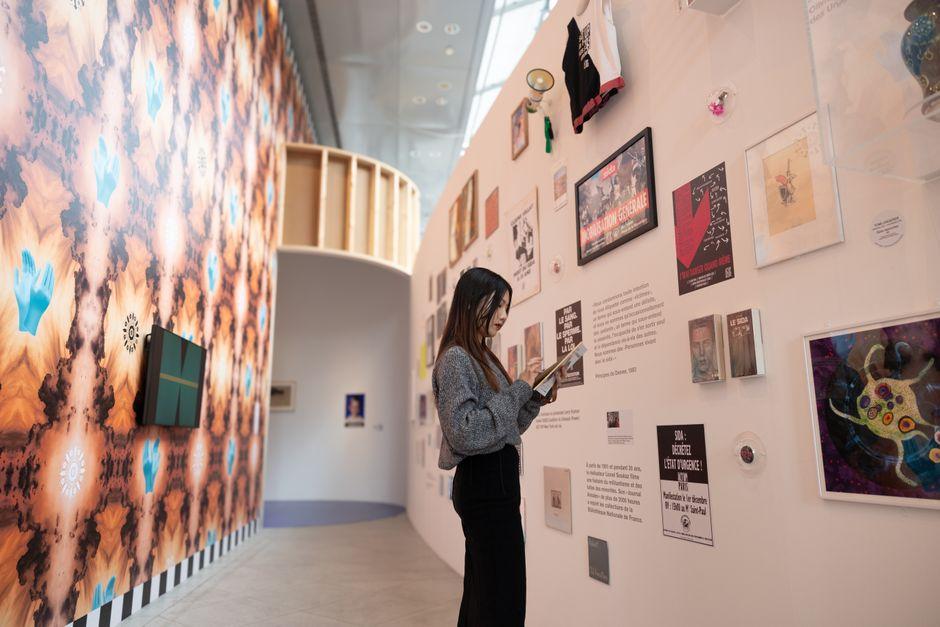
Barcelona’s cultural pulse is beating harder on the pavements of Poblenou this Thursday, July 4, as a wave of community-led workshops and street-art initiatives pushes back against the stagnation of the early summer season. Following the record-breaking heatwave that saw temperatures in France and across the Mediterranean climb to life-threatening levels, organizers at the 'Refugi Cultural' network have effectively pivoted their operations to ensure that neighborhood engagement remains active despite the oppressive humidity.
Reclaiming the Pavement
The shift is tangible at Can Batlló, the historic industrial complex in La Bordeta. Here, the movement has moved beyond traditional gallery exhibitions. Instead, the community is utilizing the repurposed factory floors for a series of 'Climate-Resilient Creatives' seminars, which focus on sustainable urban manufacturing. This grassroots organization, backed by the La Col architecture cooperative, has transformed the space into a permanent hub where metalwork and textile recycling projects occupy the former warehouses. It represents a pivot away from the tourist-heavy districts of the Gothic Quarter and toward localized, self-sustaining artistic production.
This movement is not just about aesthetics; it is a defensive reaction to a city that has struggled under the weight of climate volatility and economic uncertainty. The municipal government reported a 14% increase in the use of city-managed community centers during the peak heat alerts last week, a figure that advocates use to justify the expansion of public cooling-and-culture zones. Entrance to these workshops remains free of charge, though the 'Espai Jove La Fontana' in Gràcia has begun accepting small material donations to keep their woodshop operational throughout the summer months.
Where to Find the Movement Today
For those looking to engage with this shift, the 'Xarxa de Centres Cívics' has scheduled a rotating series of events that avoid the midday heat. By 7:00 p.m. this evening, the Carrer de Pere IV will be the focal point for a collective mural project designed to reflect the ecological history of the Sant Martí district. Participating artists from the 'Rebobinart' collective are emphasizing the use of eco-friendly paints that can withstand the increasingly harsh UV exposure currently affecting Catalonia.
If you plan to attend, arrive via the L4 Metro line and disembark at Poblenou. Keep in mind that the city’s ongoing heat-mitigation policy means public water fountains along the route have been retrofitted for faster filling, so bring a reusable bottle. Do not expect a traditional gala; expect the raw, collaborative atmosphere that has defined the city’s independent scene since the early 2020s. The momentum here suggests that while the rest of the world navigates the fallout of war and ecological crisis, Barcelona’s neighborhoods are choosing to build their own infrastructure, one street-level project at a time.