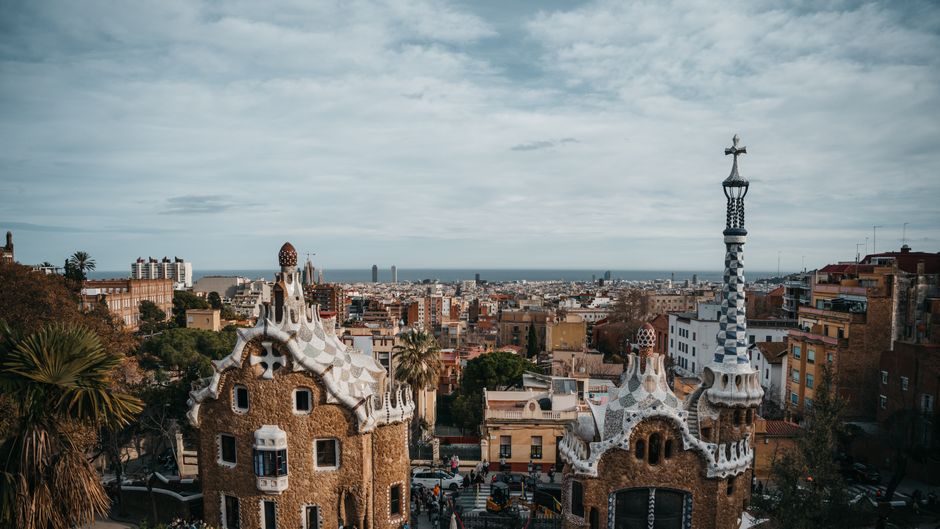
From Gaudí's Shadow to Digital Innovation: How Barcelona's Culture Scene Reinvented Itself
As summer heat drives crowds indoors, the city's cultural venues reveal a decade-long transformation that stretches far beyond the Sagrada Familia.
As summer heat drives crowds indoors, the city's cultural venues reveal a decade-long transformation that stretches far beyond the Sagrada Familia.
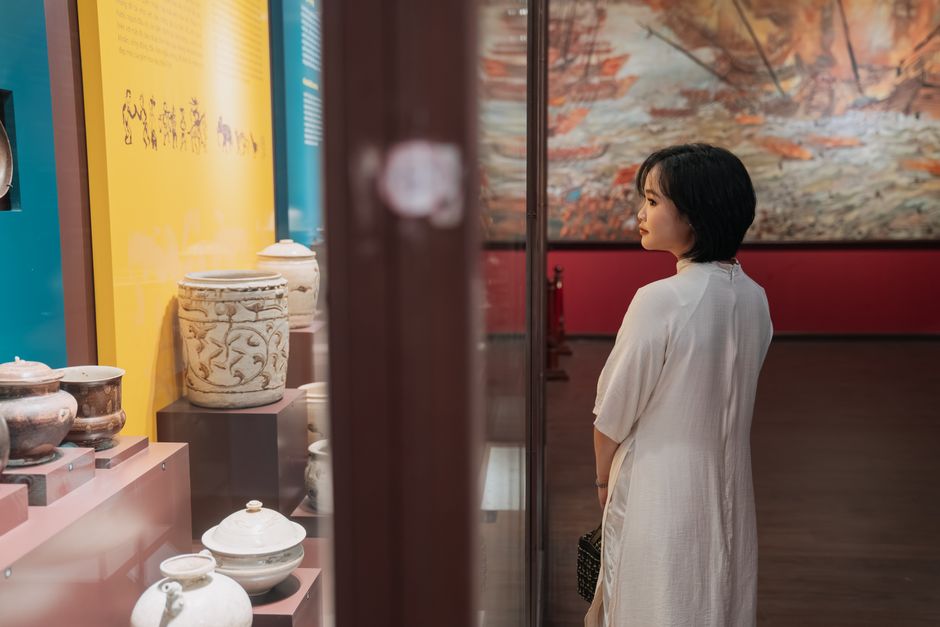
Barcelona's cultural calendar thickens today despite temperatures climbing toward 38 degrees Celsius across Catalonia. The shift tells a story about how this city has deliberately diversified its creative offerings since the early 2010s, moving away from heritage tourism toward a more complex, contemporary scene that serves locals as much as visitors.
That evolution matters now because Barcelona faces pressure similar to other over-touristed Mediterranean cities: the need to maintain cultural vitality while preventing monoculture. The heatwave gripping Europe has already killed thousands across the continent, pushing institutions here to rethink programming and venue operations. Indoor culture—theatre, cinema, galleries—becomes not just leisure but practical sanctuary during extreme weather events expected to increase in frequency.
The Palau de la Música Catalana, that ornate concert hall on Carrer de Sant Francesc de Paula in the Ciutat Vella, remains the city's flagship venue for classical performance. Built in 1908, it still hosts major orchestral seasons. But walk ten minutes east into the Born neighbourhood and you'll find MACBA—the Museum of Contemporary Art—positioned in stark architectural contrast on Plaça dels Àngels. MACBA's white facade dates to 1995, yet its programming has shifted dramatically since 2015. Where it once functioned primarily as a repository for 20th-century Spanish art, it now commissions site-specific installations and partners with international artists on work addressing migration, climate, and urban inequality.
The Mercat de Santa Caterina, reconstructed in 2005 with a wavy timber roof by architects Enric Miralles and Benedetta Tagliabue, operates today as both functioning market and cultural meeting point. On weekday mornings, locals buy produce. By evening, it hosts film screenings, design talks, and community forums. The venue generated roughly 1.2 million visitor interactions annually by 2023, split almost evenly between market users and cultural participants.
Barcelona's cultural spending increased 23 percent between 2014 and 2024, according to data from the city's Institut de Cultura. That growth funded expansion beyond the traditional Gothic Quarter circuit. The Teatre Nacional de Catalunya, which opened in 1997 in the Poblenou district, now operates three stages running simultaneous productions. Ticket prices range from €18 to €42 depending on performance and seat selection. Last year, it presented 287 performances across drama, dance, and experimental work, drawing 156,000 attendees.
But the real shift lies in democratization. The Fundació Miró, overlooking the city from Montjuïc since 1975, continues major retrospectives. Yet neighbourhood cultural centres—there are now 31 across the city's 10 districts—have received €8.4 million in municipal funding since 2020. These spaces programme local artists, community theatre, and emerging digital creators who would struggle to access commercial gallery rent on Passeig de Sant Joan.
Today specifically, several options reflect this layered ecosystem. The CCCB (Centre de Cultura Contemporània) on Montalegre continues its summer exhibition on urban resilience. MACBA offers climate-controlled galleries until 8 p.m. Smaller venues like La Virreina Centre de la Imatge, also in Ciutat Vella, screens experimental film at 7 p.m. The Teatre Nacional offers an evening production of contemporary drama at 8 p.m., with tickets purchased online at reduced rates of €15 for under-30s.
Barcelona's culture scene no longer revolves around singular monuments or seasonal tourism. It's built now on redundancy—multiple venues, multiple price points, multiple neighbourhoods. That infrastructure, tested during the pandemic and refined through climate stress, is what allows locals to find air conditioning, art, and community on a day like today, when staying outdoors risks heat illness.
How does this story make you feel?
Spread the word
About this article
Published by The Daily Barcelona
Daily brief
Free, in your inbox before 7am. Weekdays.
More in culture