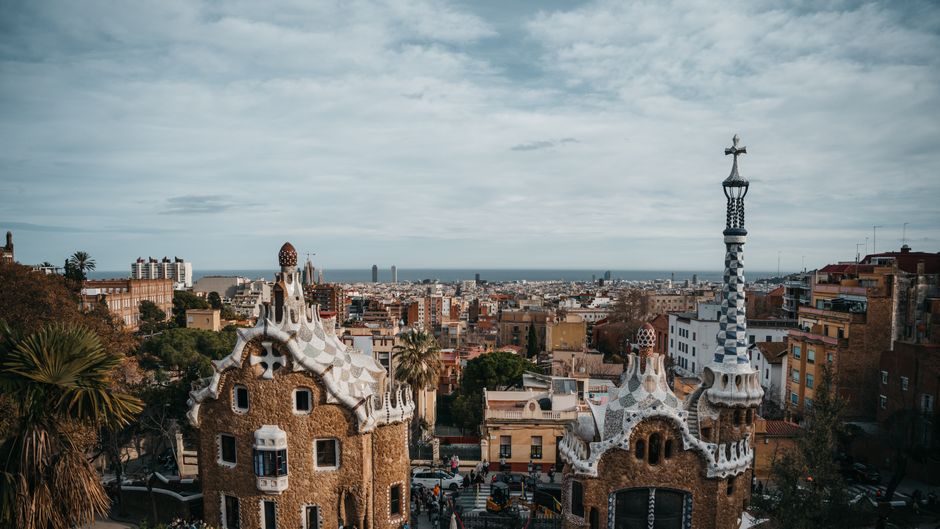
Barcelona swelters. Temperatures hit 34 degrees Celsius by midday on Friday, and the city's packed with tourists escaping worse heat elsewhere in Europe. What you need to know: plan your major sightseeing for early morning or late evening, book restaurants with air conditioning, and stay hydrated. The city draws 32 million visitors annually, and summer is peak season—crowds at major landmarks can stretch past two hours by 3 p.m.
The timing matters. Europe's been hammered by a punishing heatwave this week, with France recording over 2,000 excess deaths at its peak. Barcelona's actually fared better than inland cities thanks to sea breezes, but the humidity is relentless. Smart visitors adjust their rhythm: sleep in, work through the midday heat indoors, hit the sights at sunrise or after 7 p.m. when the light turns golden and locals emerge for passeig—the evening stroll.
Where to Actually Go Without Losing Your Mind
The Sagrada Familia remains non-negotiable. Antoni Gaudí's basilica on Carrer de Mallorca still absorbs about 4.5 million visitors annually, and July is brutal for crowds. Tickets run €26 for standard entry, €36 if you want skip-the-line access—buy online, arrive by 8 a.m., and you'll beat the crush. The interior, completed sections anyway, justifies the hype. The light through the stained glass is genuinely extraordinary, and you can spend 90 minutes inside without feeling rushed. Construction continues, obviously—the project remains perpetually unfinished, Gaudí's original plan—but scaffolding doesn't wreck the core experience.
The Picasso Museum, located in the Gothic Quarter on Carrer de Montcada, offers air conditioning and actual space to breathe. Entry costs €14. The collection spans Picasso's entire career, from his teenage Blue Period works through Cubism, and summer afternoons see the crowds thin considerably around 4 p.m. Skip the megamuseum trap of Park Güell—yes, it's iconic, but it's a tightly controlled ticketed operation with 4,000 visitors daily in July, most of them taking identical Instagram photos at the same terrace. You've already seen those photos. Go to Park de la Ciutadella instead, free entry, 30 hectares of green space beside the Gothic Quarter, with actual locals reading under the palms rather than pose-and-click tourists.
The Practical Stuff That Actually Works
Eat tapas. The ritual here matters more than the destination. Hit any bar in the Born neighbourhood—say, around Carrer de l'Argenteria—order vermouth with anchovy pintxos (€2-4 each), and you're participating in actual Barcelona life rather than tourism. The major tourist traps cluster around Las Ramblas, the tree-lined avenue descending to the waterfront; avoid them. Restaurants there mark up prices 40 percent over comparable quality venues two blocks inland.
Transport: get a T-Casual ticket (€11.35) for 10 journeys on metro, bus, or tram. The metro is swift and efficient—Line 3 connects the Sagrada Familia to the Gothic Quarter in 12 minutes. Taxis exist but surge pricing kicks in predictably during tourist hours; the metro is faster anyway.
The beaches—Barceloneta, Bogatell, Mar Bella—stay packed until sunset. The water's warm enough (around 23 degrees), but currents can be sketchy and the sand gets genuinely disgusting by afternoon when sunscreen and sweat accumulate. If you're desperate for swimming, go early or late. Most visitors skip it entirely and hit the bars instead.
Finish at a rooftop bar in Eixample or Gràcia with a cold beer, watching the sunset paint the city pink. That's the actual highlight—not the monument, but the moment when the heat finally breaks and Barcelona becomes momentarily, briefly, liveable again. Book restaurants for 9 p.m. or later. Locals don't eat until darkness falls.