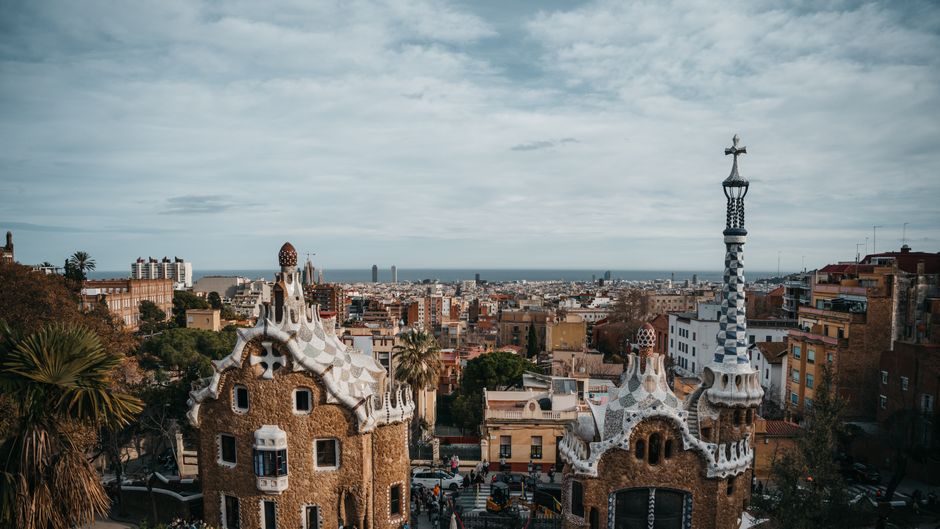
Barcelona's cultural calendar for today stretches across the city like a nervous system. The Mercat de les Flors hosts a contemporary dance piece at 8 p.m. The Museu Nacional d'Art de Catalunya stays open until 9 p.m., its rooftop overlooking Montjuïc as temperatures cool after another sweltering afternoon. A smaller venue tucked into the Born neighbourhood runs an experimental theatre workshop. None of these events exist by accident.
Behind each ticketed show, each curated exhibition opening, each street performance license lies a constellation of cultural workers rarely photographed and frequently underestimated. These are the people deciding what Barcelona offers visitors and residents during summer months when the city's population churns and its cultural appetite sharpens.
The scale matters. Tourism Barcelona, the city's official promotional body, tracks roughly 32 million visitor days annually across the metropolitan area. That figure has climbed steadily since 2019, with summer months concentrating a disproportionate share. The city's cultural infrastructure—theatres, galleries, performance spaces, museums—runs at near capacity during July and August. Someone manages that load. Someone decides which artists perform. Someone coordinates with venue owners, insurance providers, city permits offices.
The Network Holding It Together
The Associació de Salas de Concerts i Clubs de Barcelona, founded in 2001, coordinates schedules across roughly 30 mid-sized venues throughout the city. Its members range from the intimate Sidecar in Plaça Reial to larger spaces like Razzmatazz in the Poblenou district. The association's role is partly logistical—ensuring venues don't accidentally double-book touring acts—and partly political, advocating with city hall on licensing regulations and neighbourhood noise restrictions.
Venue operators say the summer squeeze tests their patience. One owner of a 200-capacity club on Carrer Blai spoke frankly about July programming: demand from touring agents far exceeds available dates. A three-week touring schedule, once standard, now barely fits. Artists who would have played three nights ten years ago now expect five or six. The economics are brutal. Rising energy costs—Barcelona's summer air conditioning bills reportedly jumped 18 percent between 2024 and 2025—plus climbing artist fees and insurance premiums compress margins.
The Fundació Gran Teatre del Liceu, which operates the city's historic opera house on La Rambla, manages a parallel challenge. Its summer programming must balance traditional opera audiences (who often flee the heat) against the festival circuit pulling those same people toward open-air performances and temporary installations across Montjuïc. The theatre's artistic strategy for these months reflects an institution fighting to stay relevant when competition for attention fragments hourly.
The Programmers' Calculus
Programming directors at major venues spend winter and spring negotiating with agents, reviewing submissions, assembling lineups that can survive market testing and actual attendance. That work happens mostly in climate-controlled offices, far from the street-level glamour of opening nights. It's administrative and relational—knowing which booking agent takes calls at 6 a.m., which artists might adjust their fees for the Barcelona market, which neighbourhoods can sustain which genres.
The Mercat de les Flors exemplifies this. Originally a flower market opened in 1926, it transformed into a dedicated performance space in the 1980s. Today it programmes roughly 200 events yearly, with 35-45 during peak summer months. Its team scouts European festivals, maintains relationships with choreographers and theatre collectives, and manages a budget that requires every seat sold to matter financially.
For visitors planning an evening in Barcelona today, the menu appears abundant. For the people assembling it—salaried arts administrators earning €22,000 to €28,000 annually, freelance curators, booking agents working commission, venue owners gambling on attendance—that abundance reflects exhaustion and calculation. They're building the city's cultural reputation, one booking at a time, during the months when that reputation gets actively tested.
Start your evening by checking current listings on the Associació's website or individual venue social media. Prices range from €12 for smaller experimental theatre to €85 for major opera or concert events. Book ahead. The people making these decisions have already booked you a place.