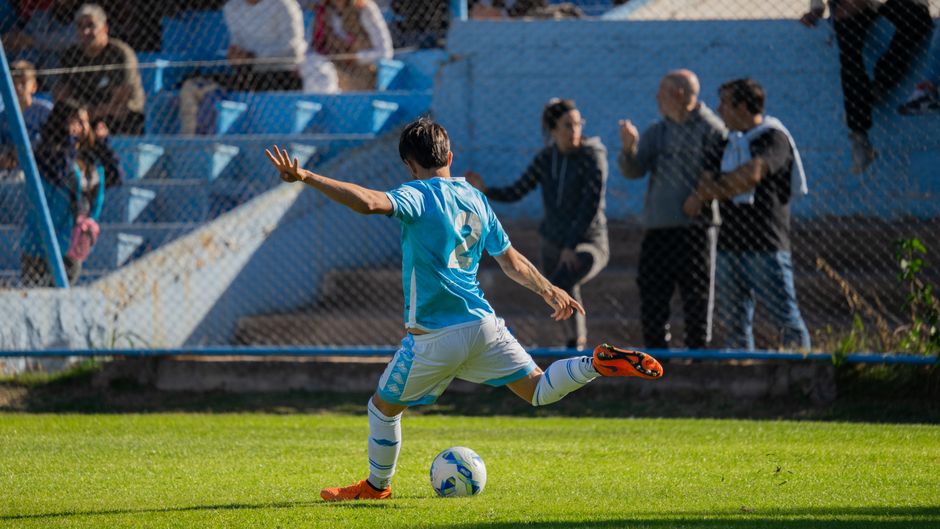
Walk into any of Sydney's municipal sports complexes on a Saturday morning, and you'll see the same scene: packed fields, enthusiastic players, and often, crumbling changerooms. From Strathfield to Cronulla, from Marrickville to Penrith, the infrastructure supporting amateur sport is showing its age—and administrators warn the situation is becoming untenable.
Sydney's recreational sports scene supports an estimated 400,000 participants across football, cricket, netball, hockey, and touch rugby. Yet the facilities underpinning this activity remain largely reliant on infrastructure built in the 1970s and 1980s. At Ashfield Oval on Liverpool Road, volunteer-run clubs share a single pavilion with inadequate lighting for evening matches. Similar conditions plague venues across inner-west suburbs like Marrickville and Leichhardt, where facility upgrades haven't kept pace with population growth.
The funding picture is equally stark. Sydney's local councils typically allocate between $2–5 million annually to sports facilities maintenance across entire local government areas—budgets that haven't meaningfully increased in five years despite inflation. Meanwhile, the cost of a basic oval renovation now exceeds $1.5 million, and upgrading a pavilion with modern changerooms and accessible amenities runs closer to $3 million.
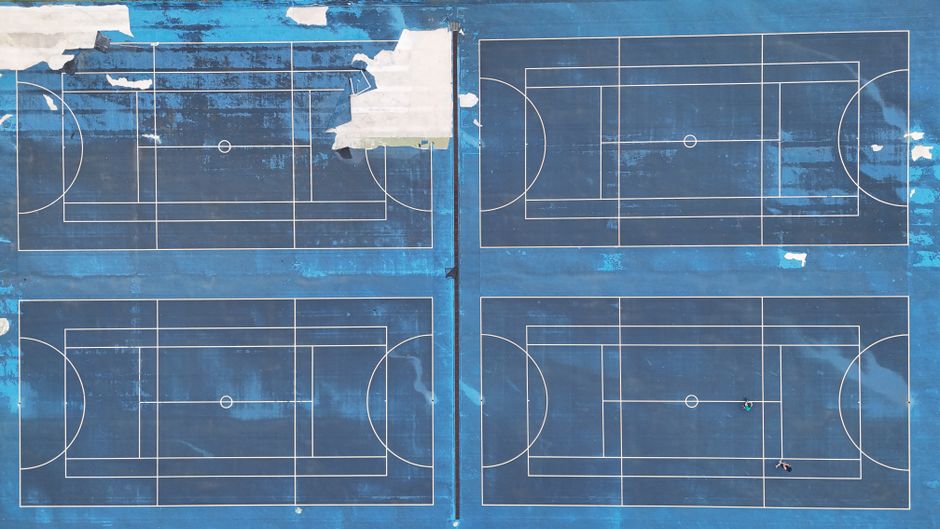
Private clubs fare better. Venues like the grounds at Gordon in Woollahra or facilities at Epping Boys High School benefit from membership fees and corporate sponsorships. Yet public facilities—the true backbone of grassroots sport—remain underfunded. The Cooks River Netball Centre in Tempe and basketball courts in Wollongong are among facilities operating at capacity while awaiting maintenance backlogs worth millions.
Some progress is visible. Randwick Aquatic Centre underwent a $50 million redevelopment completed in 2024, setting a benchmark for what modern sports infrastructure should deliver. But such projects remain exceptions rather than the norm across the city's sprawling network of suburban ovals, courts, and pools.
Club administrators report that facility shortages are beginning to affect participation. Women's cricket and netball leagues, particularly, struggle to secure consistent court and field access, forcing matches into off-peak hours or requiring travel to distant venues. Younger players often abandon amateur sport for better-resourced private facilities or elite development pathways.
As Sydney's population continues growing—projected to exceed 6 million by 2036—recreational sports bodies are pressing councils and state government for a coordinated infrastructure strategy. Without it, they argue, the grassroots system that feeds elite sport and provides community cohesion will continue its slow deterioration beneath the weight of deferred maintenance and growing demand.
This article was compiled by AI from the sources linked above and screened before publishing. See our editorial standards.