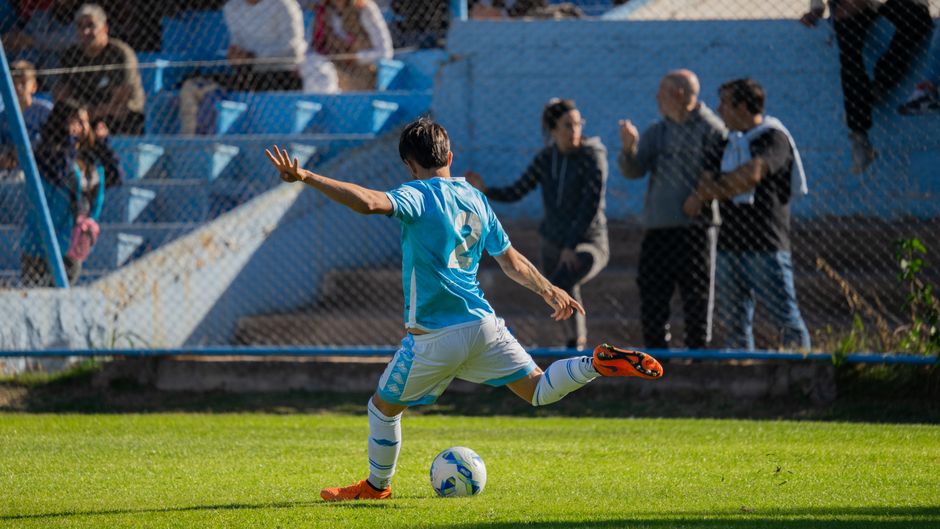
Walk past Marrickville's Petersham Park on a Tuesday evening and you'll see what the data already confirms: Sydney's relationship with soccer is transforming. Participation numbers across the greater metropolitan area have climbed steadily, revealing something deeper than a simple love of the beautiful game—they're exposing how local residents are rethinking fitness, community, and lifestyle.
Football NSW figures from the past 18 months show club memberships across Sydney have grown by 12 per cent, with youth participation up 18 per cent in the eastern suburbs alone. Smaller clubs in Penrith, Campbelltown, and the Central Coast are reporting waiting lists, a phenomenon almost unheard of five years ago. The trend cuts across age groups: women's leagues in Parramatta and Canterbury have doubled their sides, while over-35s social competitions at Strathfield and Concord have become cornerstones of their respective communities.
What does this tell us about Sydney's fitness culture? First, that convenience matters enormously. Clubs within ten kilometres of the CBD—Glebe, Marrickville, Coogee—have seen the sharpest growth. Second, that community-driven exercise is resurgent. Unlike expensive gym memberships or boutique fitness classes (which still dominate the inner west), football offers something increasingly rare: affordable, inclusive, regular social movement. Most Sydney clubs charge between $150 and $280 annually for adults, roughly equivalent to two weeks at a mid-tier gym.
The data also suggests a deliberate retreat from individual fitness culture. Post-pandemic, residents appear hungry for structured, team-based activities. Sports psychologists note that team environments provide accountability and social connection that solo workouts simply cannot match—factors that prove particularly valuable in sprawling cities like Sydney, where isolation can lurk behind prosperity.
Notably, women's participation growth outpaces men's, reflecting broader shifts in how women access sport. Long sidelined or segregated, women now comprise nearly 35 per cent of new registrations across Football NSW, up from 22 per cent a decade ago. Saturday morning kickoffs in suburbs like Eastwood and Mosman have transformed from niche offerings to standard programming.
The geographic spread matters too. Participation isn't concentrating in wealthy postcodes. Penrith and Fairfield clubs are growing faster than their eastern suburbs counterparts, suggesting soccer is becoming genuinely metropolitan, accessible across class lines in ways other sports struggle to achieve.
As Sydney's fitness culture continues evolving, these numbers remind us that health isn't primarily about appearance or individual achievement anymore. It's about showing up, week after week, in your local park, with people who live nearby, chasing a ball and something less tangible: belonging.
This article was compiled by AI from the sources linked above and screened before publishing. See our editorial standards.