Sydney's fitness landscape is undergoing a quiet revolution, and the numbers tell a compelling story about who we are and how we want to move our bodies.
Recent participation data from the Australian Fitness & Wellness Industry Association reveals that traditional large-format gyms across Sydney's inner west and CBD are experiencing their slowest membership growth in a decade, while boutique fitness studios in suburbs like Surry Hills, Paddington, and Glebe are reporting 40 per cent year-on-year increases. The shift reflects broader changes in how Sydneysiders—particularly those aged 25 to 40—approach fitness, moving away from anonymous treadmills toward community-focused, specialised training.
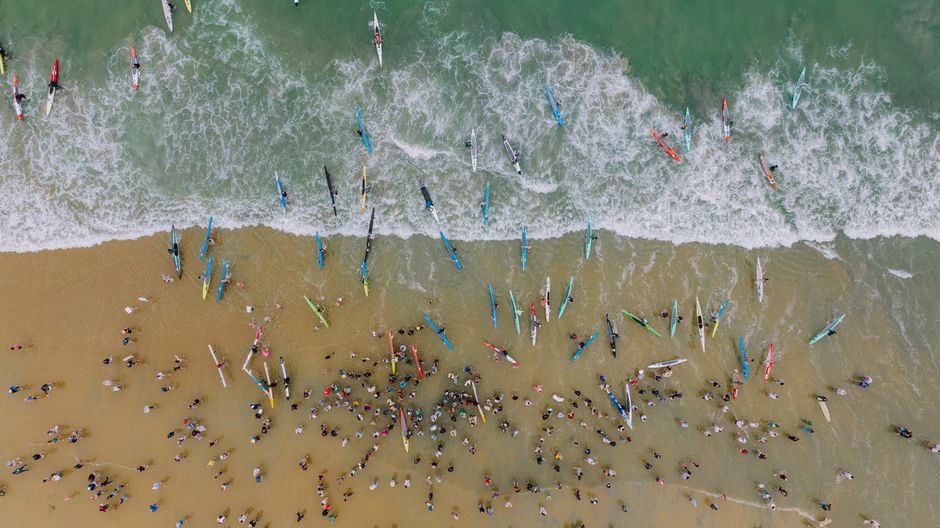
The data is particularly striking in the eastern suburbs. Membership numbers at conventional facilities along Oxford Street have plateaued, yet studios offering cycling, pilates, and functional training have expanded their operating hours to accommodate demand. One Darlinghurst operator reports turning away members during peak evening slots. Simultaneously, participation in outdoor fitness events—parkrun meets in Hyde Park, beach volleyball leagues at Bondi, and bootcamp sessions across the Foreshore—has grown by nearly 50 per cent since 2024.
Cost barriers appear secondary to community and specificity. While premium boutique classes command $25 to $35 per session—considerably higher than traditional gym day passes—participation remains robust. This suggests Sydneysiders are willing to invest in fitness experiences that promise measurable outcomes and social connection, rather than sprawling facilities with underutilised equipment.
The data also reveals generational splits. Older demographics (45+) maintain steady engagement with conventional gyms, particularly those offering aquatic facilities and rehabilitation services. Meanwhile, younger participants increasingly favour hybrid models: combining a budget gym membership for basic access with targeted boutique studio packages aligned to specific goals.
Technology adoption is another telling metric. Facilities offering app-based class booking, performance tracking, and virtual training have reported 25 per cent higher retention rates than those relying on traditional sign-ups. This digital-first approach particularly resonates across the Northern Beaches and Inner West communities.
What does this tell us about contemporary Sydney? We're moving beyond one-size-fits-all fitness toward personalised, purposeful training. We value community accountability over solitary exertion. And we're willing to pay premium prices for experiences that deliver both physical results and social engagement—a shift that's reshaping everything from real estate allocation to how fitness brands approach the Sydney market.
The traditional gym's reign in our city isn't over. But the data suggests its future depends on evolving beyond basic infrastructure toward something more intentional, connected, and undeniably Sydney.
This article was compiled by AI from the sources linked above and screened before publishing. See our editorial standards.