Barcelona rental prices hit €1,200+ in central districts
How soaring rents in Eixample, Gracia and Sant Martí are reshaping Barcelona's rental market. See neighbourhood-by-neighbourhood cost breakdown.
How soaring rents in Eixample, Gracia and Sant Martí are reshaping Barcelona's rental market. See neighbourhood-by-neighbourhood cost breakdown.
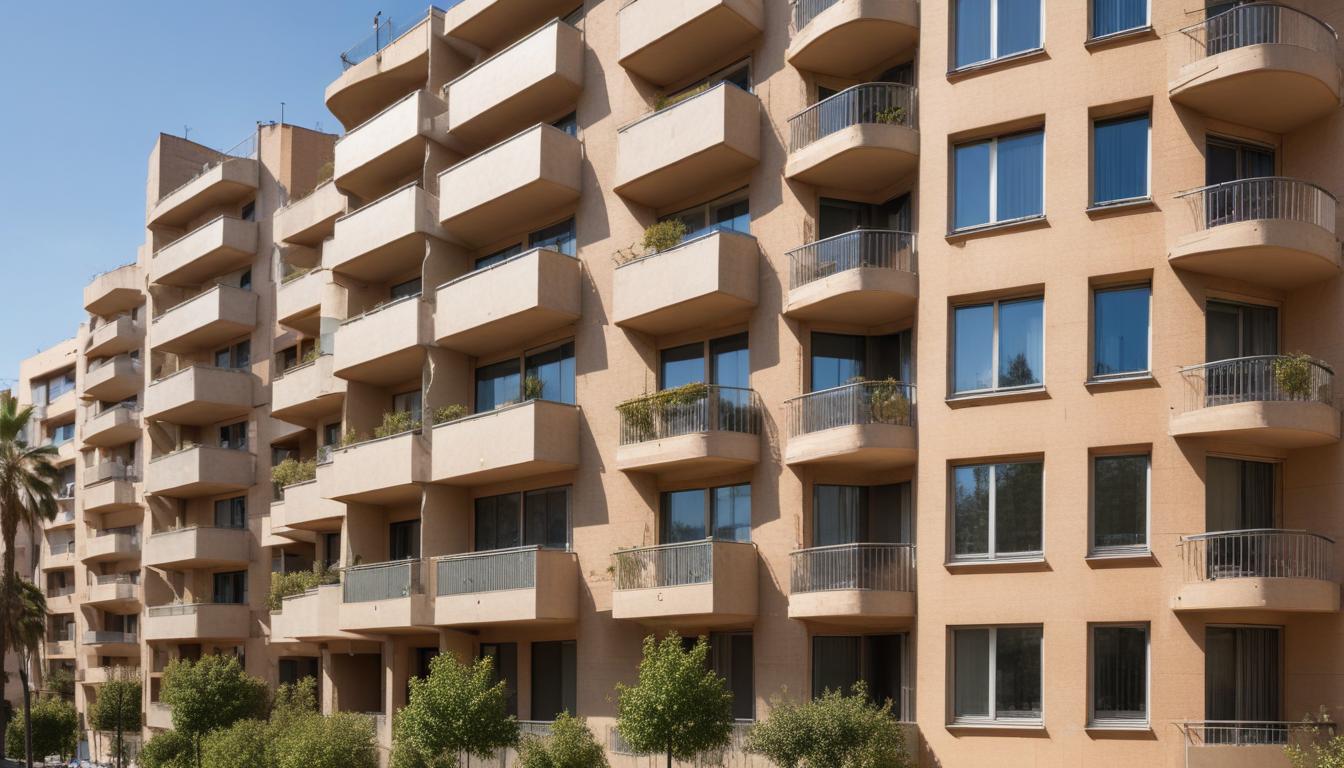
The tension in Barcelona's rental market has reached a tipping point. With average monthly rents now exceeding €1,200 in Eixample and climbing toward €1,000 even in traditionally affordable neighbourhoods like Gracia, tenants and landlords find themselves locked in an increasingly hostile dynamic that neither side anticipated five years ago.
The numbers tell a stark story. Properties along Passeig de Sant Joan command €1,400–€1,600 monthly for a two-bedroom flat, while Sant Martí—once the city's answer to affordable inner-city living—has seen rents jump 18% year-on-year. Gracia and Poblenou, historically bohemian quarters, now price out the creative workers and young families who once defined them. Meanwhile, landlords report a different crisis: longer vacancy periods, tenant screening costs, and regulatory uncertainty that makes investment riskier than ever.
Tenant advocacy groups across the city have sounded alarms. The pressure is particularly acute around tourist hotspots; short-term rental platforms have siphoned long-term stock from neighbourhoods bordering the Gothic Quarter and along Avinguda Diagonal, leaving permanent residents competing for scraps. Young professionals arriving to work in Barcelona's growing tech hub around Poblenou often spend 40–50% of their salary on rent—well above the sustainable 30% threshold economists recommend.
For landlords, the equation has inverted. Property acquisition costs, rooted in Barcelona's average €4,000 per square metre valuation, demand higher returns. Yet rent controls, tenant protection laws, and the prospect of lengthy eviction proceedings have made many owners cautious. Some have opted for the short-term rental market despite regulatory headwinds; others have simply withdrawn from the market entirely, converting properties to holiday lets or selling to investment funds.
The knock-on effect is stark: fewer mid-range rentals in neighbourhoods like Sant Antoni and Poble Sec, where traditional working-class Barcelona once thrived. Those who can't afford Eixample and won't tolerate hour-long commutes from outer districts face an impossible choice.
Neither tenants nor landlords created this crisis alone. Construction cycles, tourism economics, and urban migration patterns all played a role. But the relationship between the two has fractured visibly. Tenant associations now organise resistance campaigns; landlords increasingly view renting as a liability rather than steady income. Without intervention—whether through rent stabilisation measures, social housing initiatives, or incentives for long-term rental investment—Barcelona risks pricing out the very workers and families that built its character.
The summer of 2026 marks a crossroads for the city's rental future.
This article was compiled by AI from the sources linked above and screened before publishing. See our editorial standards.
How does this story make you feel?
Spread the word
About this article
Published by The Daily Barcelona
Daily brief
Free, in your inbox before 7am. Weekdays.
More in Property


