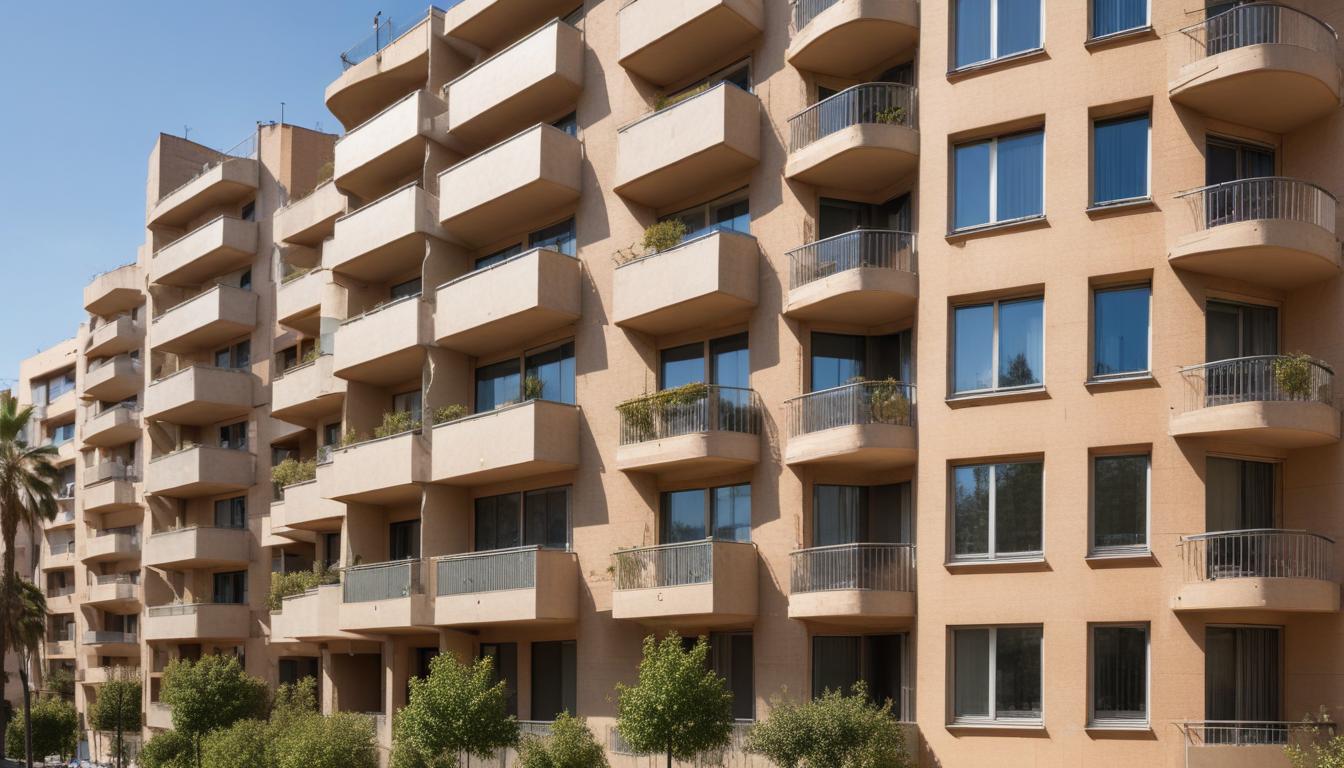
Barcelona's rental market is at a turning point. As vacancy rates hover between 3-5% across central districts—far below the healthy 7-10% threshold—a wave of new residential developments is reshaping the supply landscape in ways that will fundamentally alter neighbourhood dynamics and tenant prospects over the next 18-24 months.
The story is clearest in Poblenou, where former industrial spaces along Avinguda Diagonal and around Rambla del Poblenou are yielding to mixed-use residential projects. These aren't luxury enclaves: developers are responding to municipal pressure and demographic demand by designing units across multiple price points. When these projects deliver—some as early as late 2026—analysts expect an additional 800-1,200 rental units to enter circulation, potentially lifting local vacancy rates from their current 2.8% to 4-5%. For tenants, this means negotiating power returns. Current rents in Poblenou average €1,400-1,600 for a one-bedroom; competition-driven relief could trim that by 5-8%.
Sant Martí is experiencing similar momentum. The eastern waterfront regeneration programme, particularly around Punta Icària and the renovated industrial zones near the Avinguda Meridiana corridor, is attracting investment that balances residential density with public space. These developments introduce longer lease terms and stabilised pricing as competition intensifies.
However, the broader picture demands caution. While supply increases should theoretically ease the squeeze that has made securing an apartment in Gràcia or Sant Antoni feel like winning a lottery, gentrification pressures persist. Average Barcelona rents sit around €1,200-1,400 for standard one-bedroom flats, but new developments rarely price below €1,350, meaning low-income renters may gain little relief.
Tourist rental regulations—Barcelona has aggressively restricted short-term lets in response to neighbourhood complaints—have freed up some stock, particularly in Eixample and Gothic Quarter zones. Yet enforcement remains patchy, and owners converting long-term units to tourist accommodation continue operating in grey areas.
For tenant advocates, the emergence of new supply is welcome but insufficient. Housing associations like the Col·lectiu d'Estudis sobre Dret de l'Habitatge point out that true affordability requires municipal intervention: rent caps, social housing mandates in new projects, and closing loopholes around tourist registrations. Vacancy improvements alone won't solve affordability.
The next 12 months will be critical. As construction completes and units lease, Barcelona's rental market will reveal whether supply-side solutions alone can restore balance, or whether deeper structural reforms remain essential to protect existing communities from displacement.
This article was compiled by AI from the sources linked above and screened before publishing. See our editorial standards.