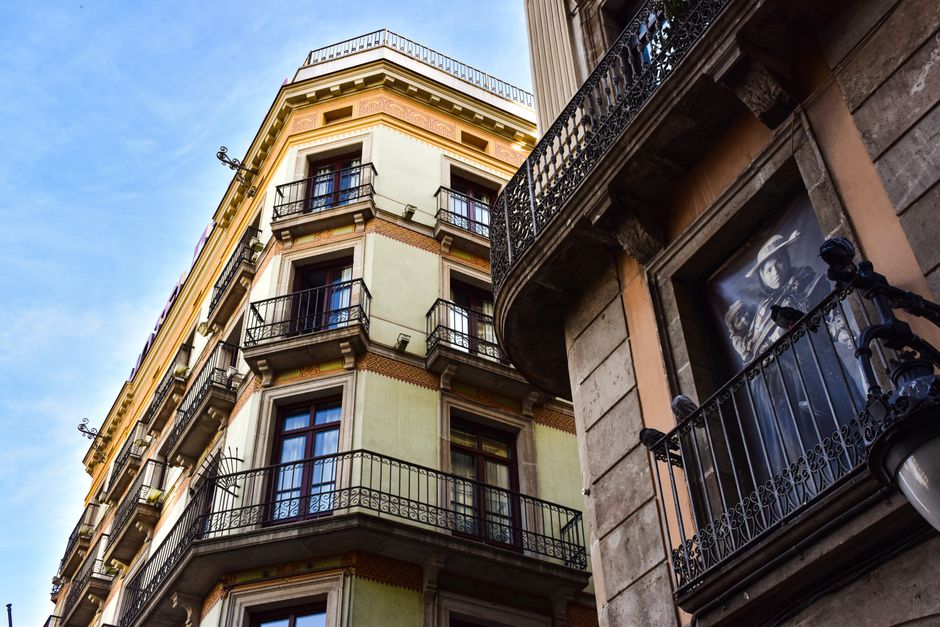
The tension in Barcelona's rental market has reached a breaking point. With average property prices hovering around €4,000 per square metre and no sign of relief, tenants and landlords are increasingly caught between economic necessity and survival.
For renters, the arithmetic is brutal. A modest two-bedroom apartment in Gràcia—once the city's bohemian refuge—now commands €900 to €1,100 monthly. Move across to Sant Martí, where the neighbourhood is rapidly gentrifying, and you're looking at comparable prices for smaller spaces. Meanwhile, wages in Barcelona have not kept pace. Young professionals and families are being forced further into the periphery or, increasingly, out of the city entirely.
The pressure intensifies in tourist-heavy zones. Poblenou, once a working-class industrial district and now a tech and creative hub, has seen rental prices double in five years. Landlords increasingly choose short-term tourist lets over traditional rental agreements—a decision that makes financial sense but decimates neighbourhood stability. Residents report that entire apartment blocks along Ronda Sant Antoni have transformed into holiday rental operations, eroding community cohesion.
Eixample's premium properties tell a different story. Landlords with assets in this coveted district enjoy strong margins, yet even they face new pressures. Recent regulatory discussions around housing accessibility have created uncertainty. Some are holding properties vacant rather than navigate unclear future legislation—a paradox that worsens the shortage.
Smaller landlords managing family properties or modest portfolios face genuine hardship. Rising maintenance costs, property taxes, and insurance premiums compress margins. Several have reportedly converted rentals to holiday lets or sales simply to cover expenses. Others have reduced prices to secure reliable tenants, a defensive move that signals anxiety about the market's sustainability.
Tenant advocacy groups report record inquiries. Organisations supporting vulnerable renters describe conditions that echo broader housing crises in European cities. Evictions for non-payment have risen, particularly among elderly residents on fixed incomes and precarious workers in the gig economy.
The paradox is this: Barcelona's property market appears robust on headline metrics. Yet beneath the surface, the rental market—where 45 percent of the city's residents live—is fracturing. The gap between investor-grade properties and everyday housing widens daily. Without intervention addressing the mismatch between local incomes and rental costs, Barcelona risks becoming a city where tenants are transient and landlords are increasingly institutional.
The question facing the city is whether current conditions represent market correction or systemic failure.
This article was compiled by AI from the sources linked above and screened before publishing. See our editorial standards.