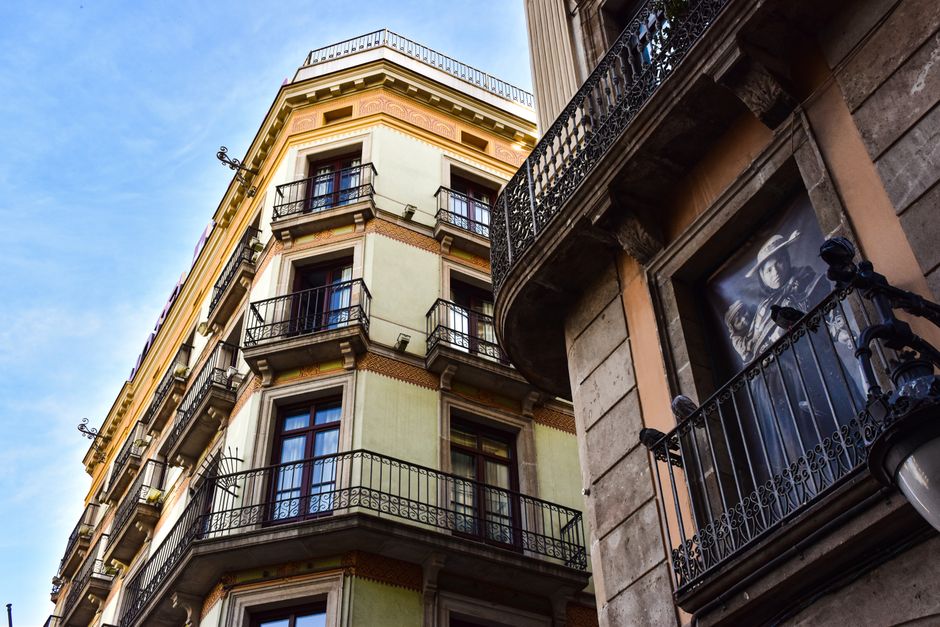
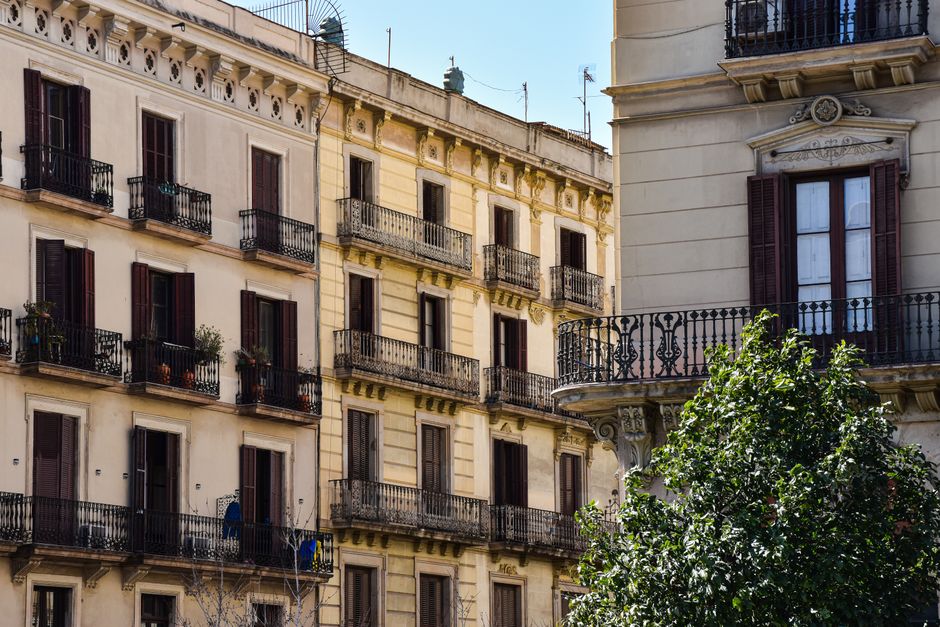
Barcelona's municipal government has tightened affordable housing obligations in major development zones, requiring developers to allocate 30% of new residential units to social housing or pay into a municipal fund. The policy shift, implemented across Eixample, Poblenou, and parts of Sant Martí, is reshaping investment calculations and forcing a recalibration of project feasibility across the city's most expensive postcodes.
The mandate's impact is already measurable. Premium Eixample properties—which commanded €4,800 to €5,200 per square metre before the policy took effect—have seen slower sales velocity in mixed-use developments. Conversely, neighbourhoods like Gràcia and Sant Martí, where social housing requirements integrate more naturally with existing community character, are attracting renewed developer interest. Local estate agents report that projects in these areas now offer more viable margins, even with the affordable component factored in.
The Poblenou tech district presents a test case. As this former industrial quarter gentrifies, the council's requirement that new residential blocks include 30% affordable units has shaped recent planning approvals along Ronda del Litoral and Carrer de Taulat. Developers previously betting on full-price conversions are now either absorbing the social housing component or accessing the €150,000-per-unit fund alternative. Market prices in Poblenou have stabilised around €3,800–€4,100 per square metre—lower than Eixample but more resilient than 2024 projections suggested.
The policy's broader effect mirrors trends observed in other European capitals grappling with affordability crises. Barcelona's initiative aims to prevent the complete market commodification seen in cities where investor-driven purchasing and short-term rental pressure have hollowed out middle-income residential stock. Tourism rental regulation, already restricting licences in Gràcia and the Gothic Quarter, compounds housing scarcity; the social housing mandate attempts to counterbalance this dynamic.
Not all developers embrace the shift. Some have shelved projects in Eixample pending regulatory clarity, while others have pivoted to office-to-residential conversions—a sector less encumbered by affordable housing mandates. Real estate consultancies tracking Barcelona's market note that overall development pipeline velocity has slowed by approximately 12% since the policy took effect in January.
Municipal officials argue the trade-off is necessary. Barcelona's median rental price has climbed 23% over five years, pricing out essential workers and young families. The social housing reserve—projected to deliver 2,500 new affordable units by 2030—represents a deliberate choice to prioritise long-term community stability over maximum short-term developer returns.
As the policy matures, market dynamics will clarify. Whether Barcelona's approach catalyses sustainable mixed-income neighbourhoods or merely slows new supply remains an open question facing policymakers and investors alike.
This article was compiled by AI from the sources linked above and screened before publishing. See our editorial standards.