Barcelona's luxury property market is experiencing a curious bifurcation. While the city's average price hovers around €4,000 per square metre, premium addresses in Eixample are commanding €5,500 to €6,200—yet investors increasingly scrutinise whether headline valuations translate to tangible returns.
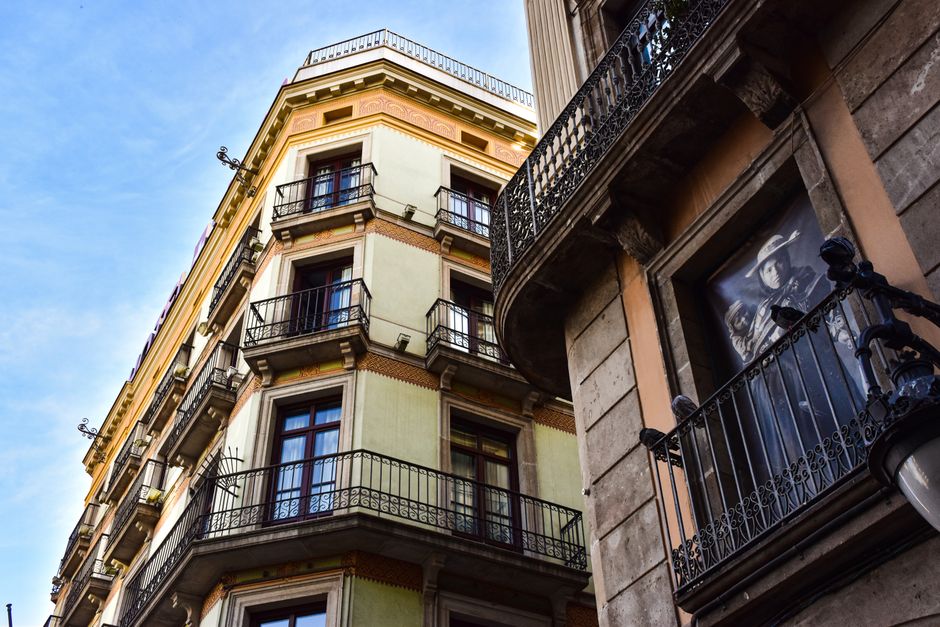
Recent market activity suggests a clear hierarchy emerging. Eixample's belle époque apartments, particularly those along Passeig de Sant Joan and the grid blocks south of Avinguda Diagonal, remain the flagship asset class. A recently completed renovation of a 300-square-metre Modernista property on Carrer de Còrsega sold for €1.89 million—€6,300 per square metre—reflecting investor appetite for heritage stock with rental upside. Yet the real story lies beneath the headline figures.
Data compiled by local agents indicates annual gross yields on premium Eixample rentals hover between 2.8 and 3.4 percent, constrained by Barcelona's increasingly stringent tourist accommodation regulations. This has forced savvy investors to recalibrate their strategy, shifting focus toward long-term residential lets targeting expats and executives. Net yields, accounting for Barcelona's 20 percent property tax and maintenance costs, typically land between 1.8 and 2.2 percent—a sobering reality for those betting purely on rental income.
Poblenou tells a different story. The former industrial district's transformation into a tech and creative hub has attracted developers and investors betting on appreciation rather than yield. Properties in the neighbourhood now average €4,400 per square metre, up from €3,200 five years ago. While rental yields remain modest—2.5 to 3.1 percent—capital growth of 7 to 9 percent annually has compensated investors who entered before 2023.
Sant Martí and Gràcia present alternative plays. Both neighbourhoods maintain prices around €3,800 to €4,100 per square metre, offering better rental yields—typically 3.2 to 4.1 percent—while attracting younger professionals and families seeking authenticity over prestige. Investors prioritising immediate cash flow increasingly favour these districts over Eixample's premium positioning.
The numbers reveal an uncomfortable truth: Barcelona's luxury market has matured. Investors can no longer rely on simple appreciation. Success now depends on neighbourhood selection, asset type, and tenant profile. Those chasing Eixample's prestige address face modest yields offset by capital preservation. Those willing to venture into emerging districts like Poblenou or undervalued neighbourhoods like Sant Martí capture superior returns—provided they have patience and market conviction.
For investors evaluating Barcelona property, the data whispers a clear message: yield and growth rarely travel together at the luxury end of the market.
This article was compiled by AI from the sources linked above and screened before publishing. See our editorial standards.