Poblenou's Digital Boom: How New Developments Are Reshaping Barcelona's Tech District
Three major construction projects approved for 2026 signal a fundamental shift in the city's economic geography—and what it means for renters and investors alike.
Three major construction projects approved for 2026 signal a fundamental shift in the city's economic geography—and what it means for renters and investors alike.
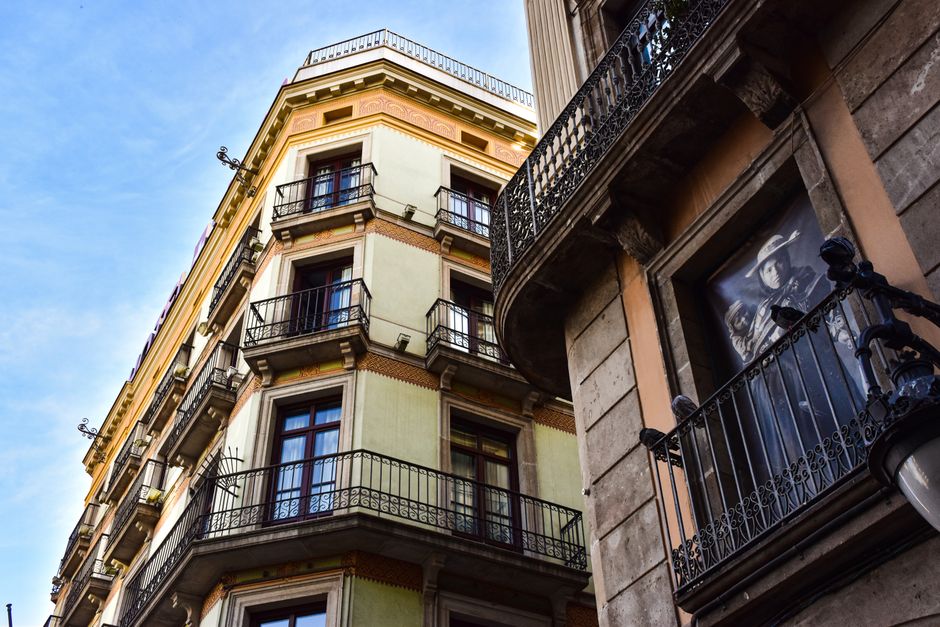
Barcelona's property market is experiencing a geographical reset, and nowhere is this more visible than in Poblenou, where three significant development projects now under construction promise to cement the neighbourhood's transformation from industrial relic to genuine tech hub.
The approval of a 15,000-square-metre mixed-use complex on Carrer de Llacuna—slated for completion in 2028—represents the largest commercial greenfield development in the district in over a decade. Unlike the speculative office space that saturated markets in 2024 and 2025, this project prioritises ground-floor innovation hubs alongside affordable workspace, addressing the acute shortage that has driven early-stage companies toward Madrid and Valencia.
"What we're seeing is intentional clustering," explains the logic behind Barcelona's planning decisions. Two additional approvals—a 12-storey residential-plus-retail development on Avinguda Diagonal's eastern edge and a regeneration of the old Roc industrial site into mixed-use quarters—suggest coordinated strategy rather than reactive development.
The implications ripple outward. Poblenou's average rental price of EUR 2,100 per month for a one-bedroom apartment has already climbed 12% year-on-year, but new supply should theoretically ease pressure. More significantly, the projects signal a deliberate decentralisation strategy away from Eixample, where per-square-metre prices now exceed EUR 5,400—well above the city's EUR 4,000 average.
For investors, the message is clear: the premium arbitrage between Eixample and emerging districts like Poblenou, Sant Martí, and even Gràcia is narrowing. Properties within walking distance of Poblenou's Plaça del Centre—traditionally viewed as secondary assets—are experiencing genuine value appreciation, with some 85-square-metre units now commanding EUR 380,000 asking prices.
The developments also carry shadow economics. Tourist rental pressure, which has hollowed out residential communities across the Gothic Quarter and Ciutat Vella, may shift northeastward as property owners recognise Poblenou's infrastructure and institutional backing. Barcelona's mandatory registration system for holiday lets should help manage this, but gentrification remains a legitimate concern for existing residents facing displacement.
By 2028, when these projects begin opening, Poblenou will have added roughly 800 residential units and 25,000 square metres of commercial space. Whether this represents genuine urban renewal or accelerated speculation will depend entirely on how aggressively the city enforces affordability requirements and manages investor speculation.
The market is watching closely.
This article was compiled by AI from the sources linked above and screened before publishing. See our editorial standards.
How does this story make you feel?
Spread the word
About this article
Published by The Daily Barcelona
Daily brief
Free, in your inbox before 7am. Weekdays.
More in Property


