The Barcelona property market is experiencing a quiet but significant shift. While headlines focus on headline price movements, a growing cohort of investors is tuning out the noise and doubling down on what matters most: steady rental returns.
After years of capital appreciation driving investment decisions, the calculus has changed. Property prices across Barcelona's core precincts have plateaued following the rapid growth of 2021-2022, prompting investors to reassess their strategies. The result? A renewed focus on rental yield—and the numbers are increasingly compelling.
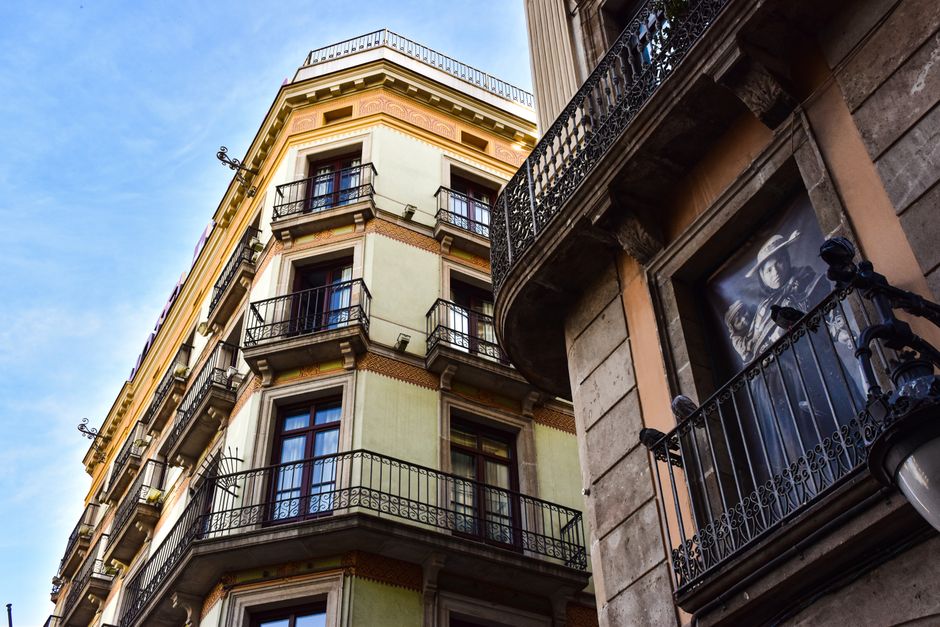
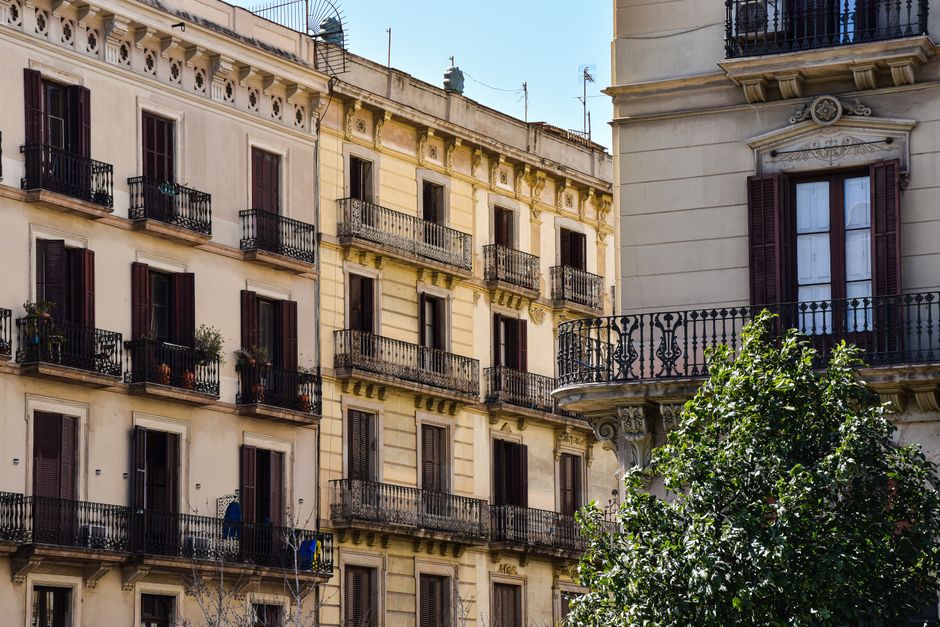
In established neighbourhoods like Eixample and Sant Antoni, investors are now achieving gross rental yields between 4.2% and 5.1%, depending on property type and exact location. Eixample's tree-lined avenues, home to Barcelona's characteristic modernist architecture, continue to attract both tourists and long-term renters, with a one-bedroom apartment generating €850-1,050 monthly on properties valued around €250,000-320,000.
Sant Antoni, historically more affordable than its eastern neighbour, has emerged as a sweet spot for yield-focused investors. Properties here are turning over faster, with rental demand supported by the precinct's vibrant bar scene and proximity to the city centre. Two-bedroom apartments are renting for €1,200-1,400 monthly, positioning them at 4.6-5.2% gross yield on purchase prices of €280,000-330,000.
The shift extends to outer precincts like Gràcia and Poblenou, where younger professionals and creative workers are clustering. Gràcia's village-like character and pedestrian plazas have driven rental demand upward, with yields reaching 5.3% on smaller properties. Poblenou, Barcelona's former industrial heart turned cultural hub, is attracting design-focused tenants willing to pay premium rent for converted warehouse lofts—creating opportunities for investors prepared to add value through renovation.
Market insiders attribute this rental renaissance to several factors: interest rate stability reducing speculative buyer activity, increased tourism and business travel post-pandemic, and a younger demographic prioritising flexibility over homeownership. Institutional investors, traditionally focused on larger development projects, are now quietly acquiring individual rental properties—a signal of longer-term confidence in Barcelona's fundamentals.
For investors reconsidering their approach, the message is clear: Barcelona's property market is maturing. The days of double-digit capital growth may be behind us, but reliable, tax-efficient rental income is no longer a consolation prize—it's increasingly the prize itself.
This article was compiled by AI from the sources linked above and screened before publishing. See our editorial standards.