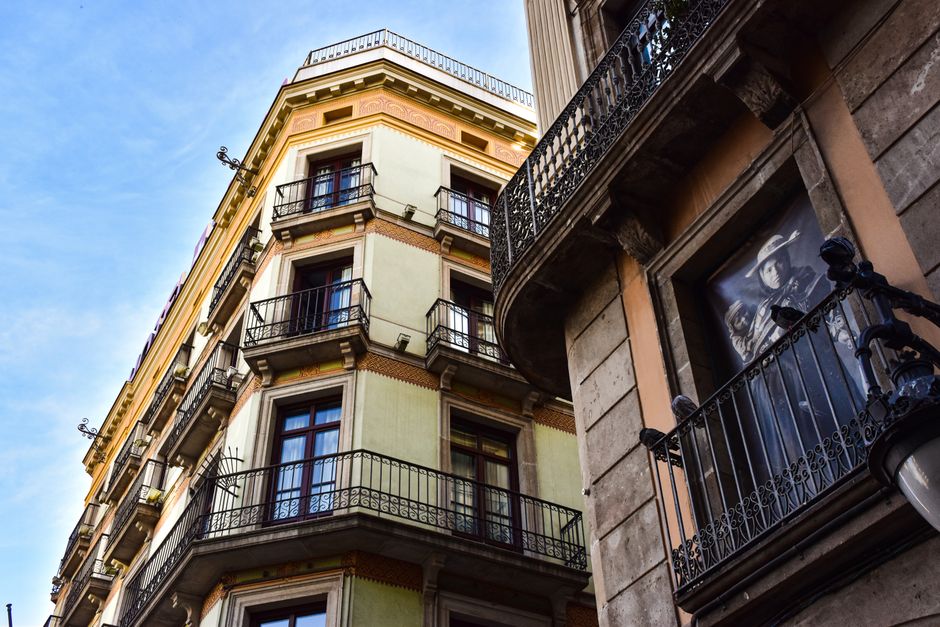
Barcelona's rental market has become a tale of two realities. On Passeig de Sant Joan in Eixample, a modest two-bedroom apartment commands €1,650 monthly—a 23% jump from three years ago. In Sant Martí, where the tech sector has been quietly reshaping the district's character, similar properties hover around €1,400. Meanwhile, in Gràcia and along the quieter stretches of Carrer de Còrsega, tenants are finding what they once considered affordable now stretches beyond their means.
For renters, the mathematics have become brutal. On average, Barcelona residents now dedicate 42% of their gross income to housing—well above the widely-accepted 30% threshold. Young professionals entering the market from outside Catalunya face particular strain, with furnished short-term rentals in areas like Poblenou commanding premium rates that landlords justify through tourism demand and the district's emerging creative economy.
But landlords tell a different story. After years of strict rent controls and regulatory uncertainty, many property owners in neighbourhoods from Sarrià-Sant Gervasi to Sant Antoni report razor-thin margins. Building maintenance costs have surged alongside inflation, while some face complications from Barcelona's proliferating short-term rental restrictions. The city's push against tourist apartments, intended to ease housing pressure, has paradoxically made some traditional landlords risk-averse about long-term contracts.
The statistics reveal widening fissures. Average Barcelona rents now sit around €1,400 for a one-bedroom flat across the city, while purchase prices average €4,000 per square metre citywide—making ownership a distant dream for many. Eixample commands premiums of €5,500–€6,200 per sqm, pricing out all but established professionals.
Community organisations like the Sindicato de Inquilinas (Tenants' Union) report increasing mediation requests, while local property management associations highlight the challenge of attracting investment in residential stock. The shortage of new buildable land compounds everything; Barcelona's constrained geography means new supply remains limited.
Yet there are subtle shifts. Some landlords in less-touristed areas like parts of Sant Martí and Gràcia are offering longer-term lease incentives to secure reliable tenants. Conversely, tenant advocacy groups are pushing municipal authorities for stronger rent-control measures—though economists warn such interventions risk further discouraging supply.
The rental squeeze reflects Barcelona's broader identity crisis: a city caught between its appeal as a global destination and its duty to remain liveable for those who sustain its daily operations. Without urgent intervention on both supply and regulation, expect continued tension between landlords seeking viability and tenants seeking stability.
This article was compiled by AI from the sources linked above and screened before publishing. See our editorial standards.