First-Time Buyers' Roadmap: Navigating Barcelona's EUR 4,000-Per-Square-Metre Reality
With prices holding firm across the city, newcomers to the property market must think strategically about location, timing, and realistic budget parameters.
With prices holding firm across the city, newcomers to the property market must think strategically about location, timing, and realistic budget parameters.
Barcelona's housing market remains stubbornly resilient, hovering around EUR 4,000 per square metre across most neighbourhoods. For first-time buyers, this reality demands a clear-eyed strategy—and an honest conversation about where compromise becomes necessary.
The premium Eixample district, with its elegant modernist buildings and tree-lined avenues like Passeig de Sant Joan, continues to command top-tier pricing. But savvy newcomers are increasingly looking sideways. Sant Martí, traditionally overlooked, has emerged as the city's rising tech hub, with neighbourhoods closer to Poblenou attracting younger professionals seeking that rare combination: walkable urbanity without Eixample's stratospheric costs. Meanwhile, Gràcia—with its intimate plazas and village-like atmosphere—remains surprisingly accessible for those willing to live slightly further from the waterfront.
The tourist rental pressure reshaping central Barcelona cannot be ignored. Properties marketed for short-term lets command premiums that artificially inflate values, particularly around the Gothic Quarter and along the Rambla corridor. First-time buyers should scrutinise building regulations: Barcelona's licensing restrictions mean not all units can legally become holiday rentals, which can actually protect long-term value.
Timing matters more than many realise. With empty land recently selling for nearly EUR 2 million despite clearance rates remaining low, land scarcity is reshaping development patterns. New construction in Sant Martí and Poblenou offers modern alternatives to older stock, though at comparable pricing. The trade-off: newer buildings often lack the architectural character that defines Barcelona's appeal, but they offer better energy efficiency and fewer hidden costs.
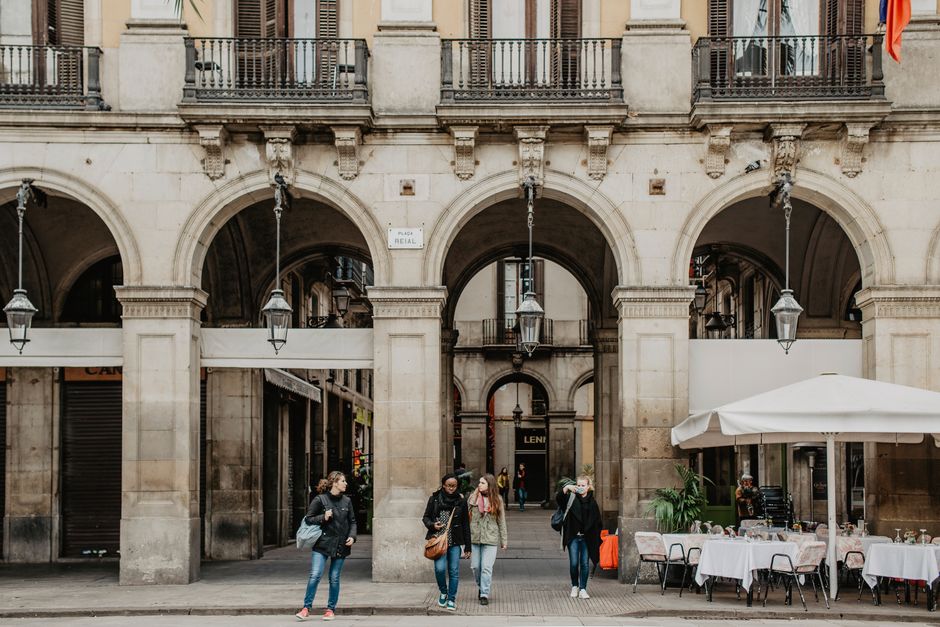
Budget realistically. At EUR 4,000 per square metre, a modest 60-square-metre flat costs EUR 240,000—before broker fees, taxes, and notary costs add another 10 per cent. First-time buyer programmes exist, but eligibility criteria tighten annually. The Ajuntament's housing department offers free consultations; their office near Plaça Reial can clarify your options before committing.
Consider emerging neighbourhoods beyond the city centre. Areas along the L2 metro line—accessible from La Pau or Sant Andreu—deliver significantly better value. These districts lack the cachet of established zones, but they're acquiring cultural infrastructure rapidly, from independent galleries to quality restaurants.
The golden rule: don't chase appreciation. Buy where you'll contentedly live for at least five years. Barcelona's market has proven remarkably stable through cycles, but timing the market consistently beats timing neighbourhoods. Identify your non-negotiables—proximity to work, metro access, green space—then search strategically within those parameters. The best deal is the one you can actually afford.
This article was compiled by AI from the sources linked above and screened before publishing. See our editorial standards.
How does this story make you feel?
Spread the word
About this article
Published by The Daily Barcelona
Daily brief
Free, in your inbox before 7am. Weekdays.
More in Property