Barcelona's New Construction Wave: What's Really Pushing Prices Up and Why Buyers Can't Ignore It
With major projects reshaping Poblenou and Eixample, understanding the city's development pipeline is now essential to making smart property decisions.
With major projects reshaping Poblenou and Eixample, understanding the city's development pipeline is now essential to making smart property decisions.
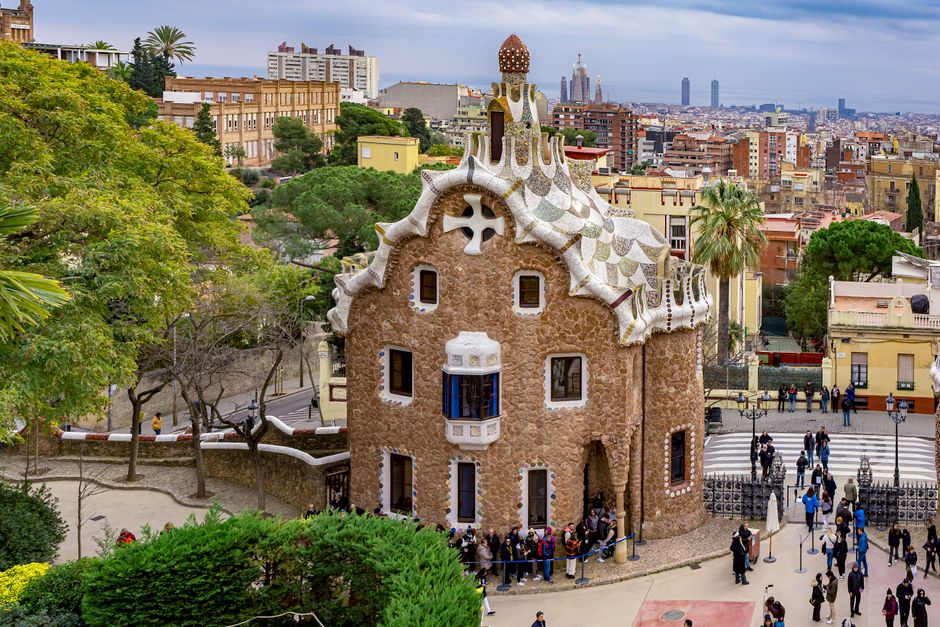
Barcelona's property market is entering a critical inflection point. The city's average price of €4,000 per square metre masks a far more complex story playing out across neighbourhoods transformed by new construction approvals and long-delayed developments finally breaking ground. For buyers navigating this market in 2026, understanding what's driving these shifts isn't optional—it's crucial.
The Poblenou district exemplifies this transformation. Once dismissed as industrial periphery, the former textile quarter is now home to tech startups, creative studios, and increasingly, residential projects that have catapulted prices upward. New apartment blocks along Ronda del Litoral and around the Parc del Centre have fundamentally altered supply dynamics. Unlike Eixample's premium addresses—where renovated modernist buildings command €5,500+ per square metre—Poblenou's newer stock offers accessibility without sacrificing location appeal. This has created genuine competition for the first-time buyer demographic.
What's driving prices isn't mysterious. Three factors dominate. First, the city council's revised zoning approvals have unlocked previously restricted land, allowing developers to build higher-density residential projects in former industrial zones. Second, the infrastructure boom surrounding metro extensions and the ongoing Cercanías modernisation has made previously remote neighbourhoods suddenly commutable. Third—and most overlooked—regulatory changes around short-term tourist rentals have reduced supply volatility and shifted investor appetite toward longer-term residential developments.
Gracia and Sant Martí have felt this acutely. Gracia's charming plazas and bohemian character remain intact, but new construction near Lesseps and along Carrer de l'Orde has attracted younger families willing to pay premium prices for neighbourhood authenticity plus modern amenities. Sant Martí, traditionally undervalued, is experiencing rapid revaluation as mid-rise residential projects cluster around Poblenou Beach and Piscines Bernat Picornell.
For buyers, several realities matter. First, timing is critical—prices are rising fastest in neighbourhoods with active construction pipelines, but values often stabilise once projects complete and supply normalises. Second, proximity to new metro connections or completed infrastructure carries genuine value; these aren't speculative bets. Third, understand your neighbourhood's development plan. The Barcelona municipal website (bcn.cat) lists approved projects by district; savvy buyers use this to anticipate neighbourhood evolution.
The conventional wisdom—that Barcelona property always appreciates—is being tested. Some newly built apartments in oversupplied micro-neighbourhoods have flatlined while neighbouring renovated period properties climb steadily. The real driver of price growth isn't new construction itself; it's strategic location within neighbourhoods undergoing genuine transformation.
The market hasn't peaked. But it has become decidedly less forgiving of poor location selection. That's the single most important thing buyers should know right now.
This article was compiled by AI from the sources linked above and screened before publishing. See our editorial standards.
How does this story make you feel?
Spread the word
About this article
Published by The Daily Barcelona
Daily brief
Free, in your inbox before 7am. Weekdays.
More in Property


