Barcelona's property landscape has shifted dramatically over the past two years. First-time buyers entering the market today face a different city than the one that dominated headlines five years ago. The question isn't just where to buy, but where value still exists in a market increasingly shaped by tourist rental pressure and tech-sector migration.
For those working with a tight budget, Sant Martí has quietly emerged as the thinking investor's alternative to Eixample's premium positioning. The neighbourhood, anchored by the modernist architecture along Avinguda Diagonal and the regenerating industrial spaces near Poblenou, offers entry points at €3,600–€3,800 per square metre. Yes, you're buying into an area still shedding its post-industrial past, but the infrastructure is solidifying: the Sant Martí market has upgraded significantly, metro connectivity is reliable, and the neighbourhood's proximity to the Poblenou tech district means demographic momentum favours younger professionals.
Gràcia presents a different calculation. Narrower streets, local culture, and the proximity to Plaça del Sol and Plaça de la Virreina have pushed prices toward €4,200 per square metre. For first-timers, this neighbourhood demands honest questioning: are you buying for lifestyle or investment returns? The tourist rental pressure here is genuine—apartments shift between long-term residents and short-let platforms with increasing fluidity. That said, its established appeal to families and remote workers suggests long-term residential demand remains robust.
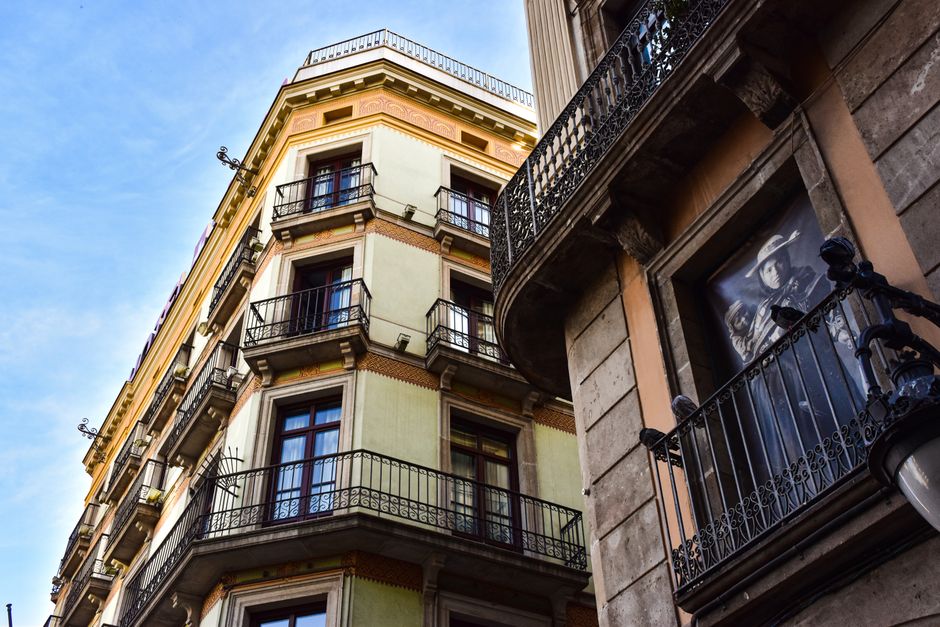
The conventional wisdom—buy in Eixample, never look back—requires scrutiny in 2026. Premium Eixample hits €5,000+ per square metre, and while the neighbourhood's tree-lined avenues and Belle Époque charm are undeniable, new supply and regulatory shifts around tourist rentals have softened demand. For a first-time buyer, the premium may not justify itself against emerging alternatives.
Sant Antoni offers a middle path: gentrifying but not yet fully transformed, with prices around €4,100 per square metre. The neighbourhood's weekend market, riverside potential, and proximity to Montjuïc create genuine lifestyle appeal while avoiding the saturation of central tourist zones.
The practical advice? Attend viewings across at least four neighbourhoods. Spend Saturday mornings in each—watch who shops locally, what the rental market looks like, whether new construction is neighbourly or exploitative. Speak with local agents, not just online portals. Barcelona's property market rewards those who see beyond the spreadsheet and understand why their chosen street matters to actual residents. That homework transforms a purchase from an investment gamble into an informed decision.
This article was compiled by AI from the sources linked above and screened before publishing. See our editorial standards.