Barcelona Cycling Infrastructure Expands in Gràcia This Week
New 1.2km bike lane corridor opens in Gràcia as Barcelona's €45M cycling programme accelerates. Urban gardens expand across districts.
New 1.2km bike lane corridor opens in Gràcia as Barcelona's €45M cycling programme accelerates. Urban gardens expand across districts.
Barcelona marked another significant milestone in its sustainability journey this week, with three major environmental initiatives moving from blueprint to reality across the metropolis. The developments underscore the city's increasingly ambitious approach to reducing its carbon footprint and reshaping urban life around green principles.
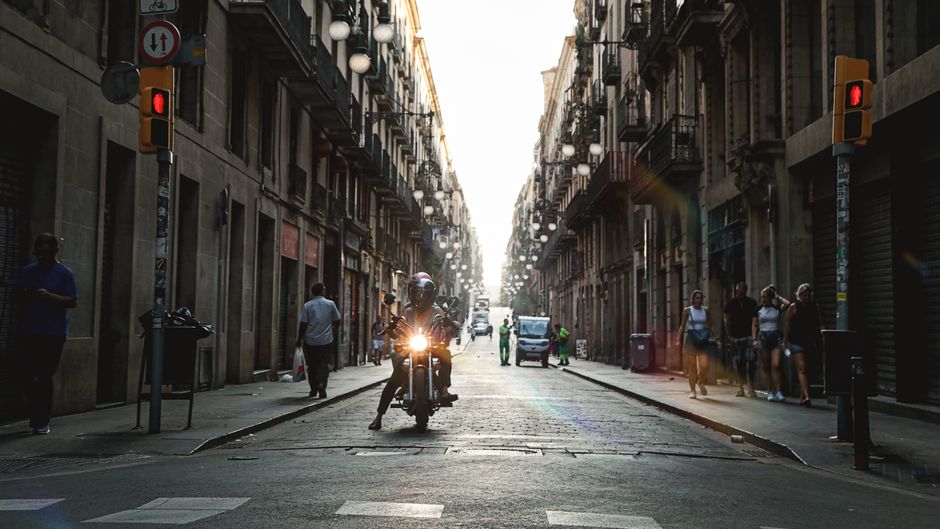
The most visible change came Monday when the Ajuntament de Barcelona officially opened the new cycling corridor along Passeig de Sant Joan in Gràcia, extending dedicated bike lanes by 1.2 kilometres and connecting previously fragmented routes. The infrastructure, part of the city's €45 million cycling expansion programme, aims to increase two-wheel commuting from the current 4 per cent to 10 per cent by 2030. Traffic counts conducted during the inaugural week suggest early adoption, with morning rush-hour cyclists increasing by 23 per cent compared to the same period last year.
Meanwhile, the Montjuïc urban farming collective announced expansion of its rooftop cultivation project, adding 8,500 square metres of growing space across five municipal buildings. The initiative, now supplying fresh produce to twelve local community centres, has reduced transportation emissions by an estimated 12 tonnes annually while providing employment for forty residents from disadvantaged neighbourhoods. The success has prompted discussions about replicating the model across Eixample and Sants.
In perhaps the week's most significant regulatory development, Barcelona's environmental council approved stricter emission standards for businesses operating within the city limits. Starting September 1st, all commercial establishments will face graduated penalties for exceeding carbon reduction targets, with fines ranging from €500 to €5,000. The policy particularly affects the hospitality sector, prompting several major restaurants near the Sagrada Familia and Gothic Quarter to accelerate their renewable energy installations.
The convergence of these initiatives reflects growing political consensus around environmental policy. Municipal election results from May demonstrated strong voter support for candidates championing aggressive climate action, validating the city's pivot toward sustainability-first urban planning.
However, challenges remain. Environmental groups have questioned whether the new cycling infrastructure adequately addresses safety concerns in congested areas, while small business owners express anxiety about the emission penalties' financial burden. The city's sprawling logistics sector has also lobbied for extended implementation timelines, citing infrastructure limitations.
Despite friction points, momentum appears unmistakable. Barcelona's transformation—incremental but visible—continues reshaping daily urban experience, one street, rooftop, and regulation at a time.
This article was compiled by AI from the sources linked above and screened before publishing. See our editorial standards.
How does this story make you feel?
Spread the word
About this article
Published by The Daily Barcelona
Daily brief
Free, in your inbox before 7am. Weekdays.
More in News