Gràcia Barcelona Housing Crisis: Rents Up 34% Since 2020
Gràcia residents face critical housing moment as rents surge to €1,200/month. Anti-eviction groups and Barcelona officials clash over affordable housing solutions.
Gràcia residents face critical housing moment as rents surge to €1,200/month. Anti-eviction groups and Barcelona officials clash over affordable housing solutions.
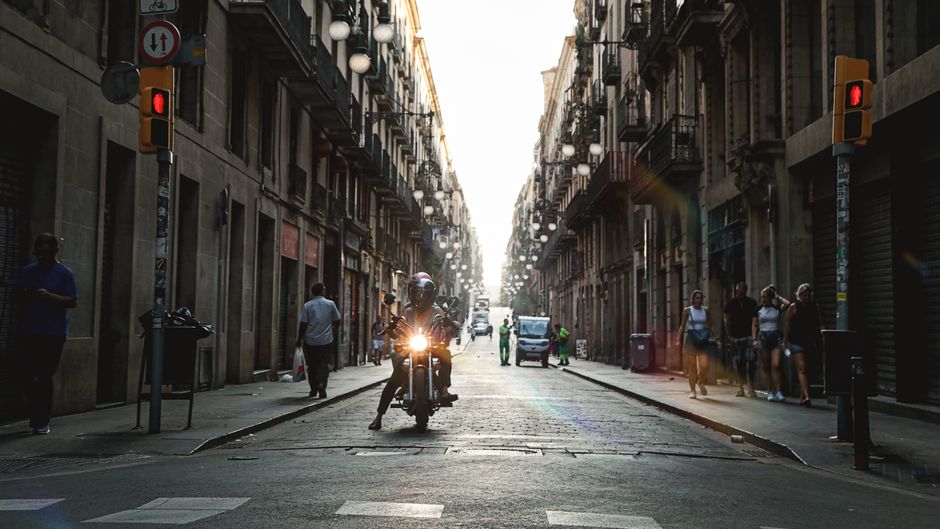
The intersection of Carrer de Verdi and Carrer de l'Astrolàbia has become the symbolic heart of Barcelona's housing battle. Here, in the heart of Gràcia, community activists have occupied three buildings this year alone, while municipal officials wrestle with decisions that could reshape one of the city's most politically active neighbourhoods.
The stakes are high. Recent data from the Cambra de Propietat Urbana shows rental prices in Gràcia have surged 34% since 2020, pushing average monthly rents to €1,200 for a modest two-bedroom apartment. Meanwhile, the neighbourhood's 50,000 residents—many of them young families and migrants—face an impossible calculus: stay and struggle, or leave for the periphery.
This summer, three major decisions loom. First, the Ajuntament must decide whether to invoke emergency housing powers to requisition vacant properties, a tool Barcelona last deployed during the pandemic but has resisted using systematically. Second, a pilot programme in neighbouring Lesseps could become a model for community land trusts across the district—or fail, setting back progressive housing strategies by years. Third, residents' assemblies at the Ateneu Llibertari de Gràcia and Casa Bloc community centre will vote on whether to formally merge anti-eviction efforts with neighbourhood political parties, a move that could either strengthen their voice or fracture fragile coalitions.
The city council faces mounting pressure. Over 400 households in Gràcia alone received eviction notices in the first half of 2026, according to neighbourhood legal aid organisations. Yet the municipal housing budget remains constrained, with competing priorities across districts like Nou Barris and Sants, where social need is equally acute.
Local business owners on Plaça del Sol express fatigue with the constant tension. The neighbourhood's famous bar culture—which once defined Barcelona's nightlife—has shifted as younger crowds migrate elsewhere, chasing affordability. Some establishments have closed; others have been occupied by activists offering free meals to struggling residents.
The coming weeks will reveal whether Barcelona's progressive administration can move beyond symbolic gestures toward systemic change. Community organisers demand requisitioned housing, expanded rent controls, and meaningful community ownership models. City planners argue such measures require legislative changes at regional level, a slow process.
What's certain: Gràcia's residents—who have shaped Barcelona's activist identity for decades—are watching closely. Their decisions, and the city's response, will echo far beyond this neighbourhood's beloved plazas and narrow streets.
This article was compiled by AI from the sources linked above and screened before publishing. See our editorial standards.
How does this story make you feel?
Spread the word
About this article
Published by The Daily Barcelona
Daily brief
Free, in your inbox before 7am. Weekdays.
More in News