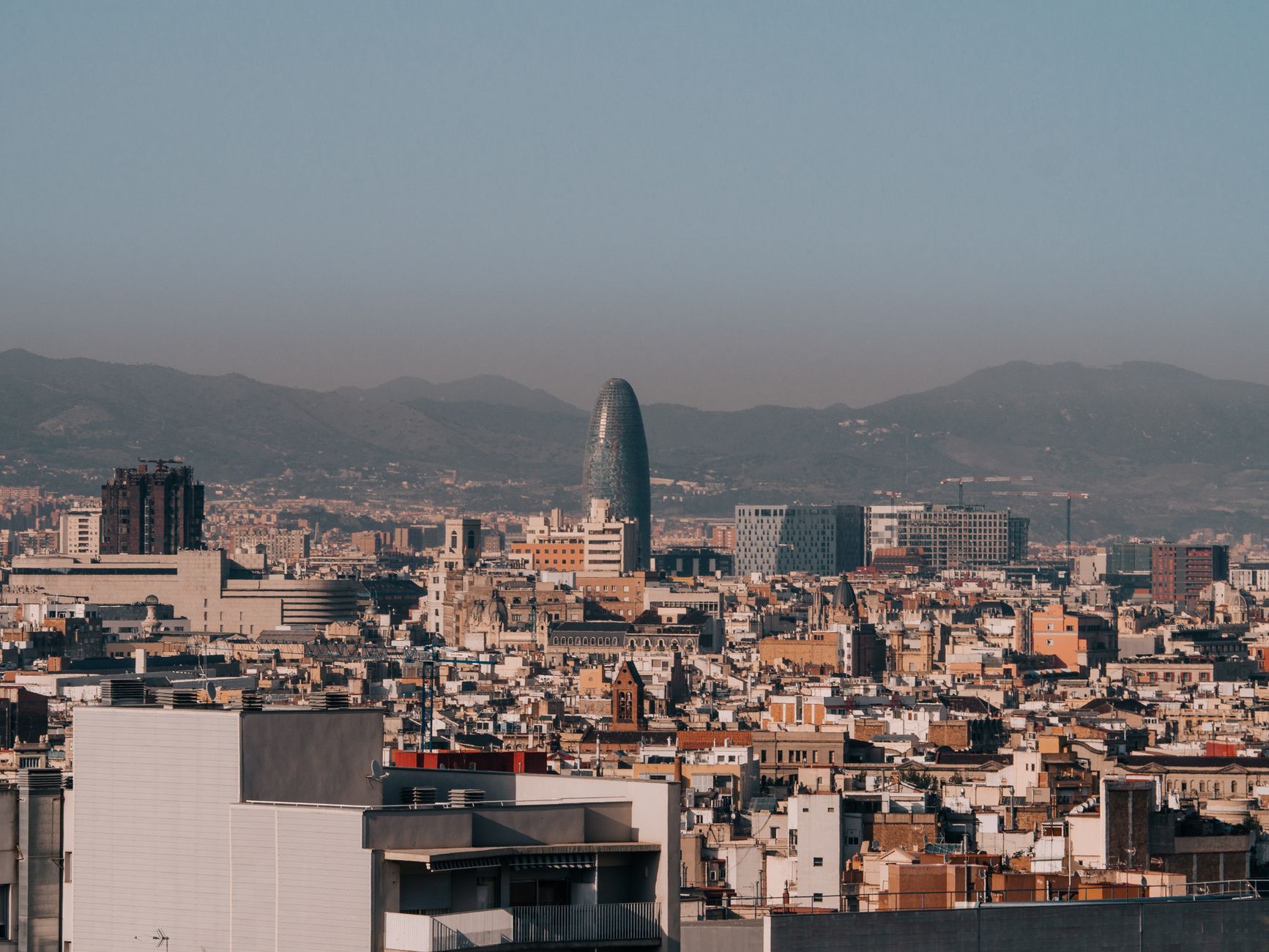
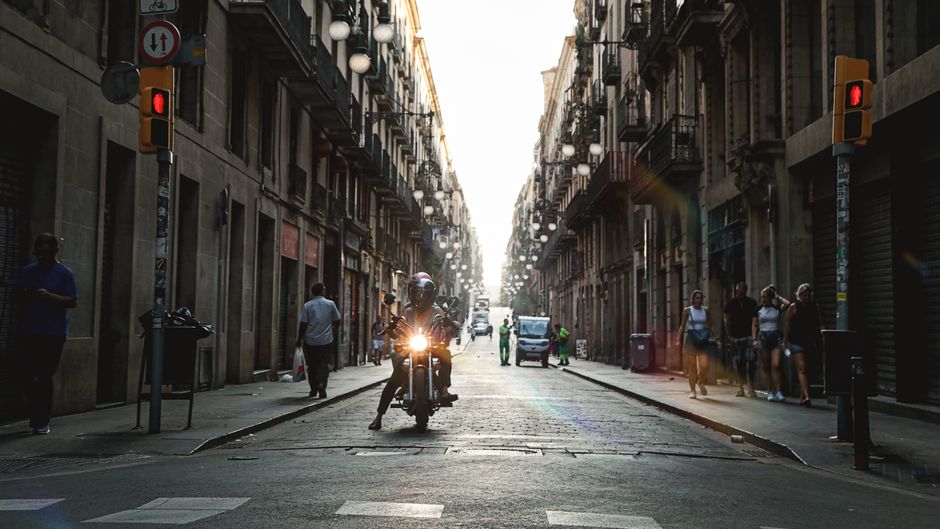
Barcelona stands at a decisive juncture on housing policy. With average rental prices in Eixample now exceeding €1,200 monthly for a modest two-bedroom flat, and median purchase prices hovering near €7,500 per square metre, the city faces mounting pressure to deliver tangible solutions before the window for intervention closes entirely.
The Municipal Housing Company's proposal to accelerate construction of affordable units in peripheral neighbourhoods like Nou Barris and Sant Andreu represents the most ambitious intervention in a decade. Yet the scheme hinges on a series of thorny decisions: whether to rezone industrial land along Avenida Meridiana, how aggressively to impose affordable housing quotas on private developers, and crucially, whether the city possesses sufficient budget allocation to make the numbers work. Current projections suggest 2,800 new subsidised units within three years—but this assumes consistent funding and zero bureaucratic delays, neither guaranteed in Barcelona's planning history.
Meanwhile, the anti-tourist housing movement continues reshaping priorities on the ground. The recent closure of short-term rental platforms in certain Gràcia blocks signals a philosophical shift, but enforcement remains patchy. The real test arrives this autumn when the city council must decide whether to extend these restrictions citywide, a move that could free up thousands of apartments for long-term rental but would enrage hospitality operators already bruised by post-pandemic losses.
The gentrification narrative in Sant Antoni and Poblenou presents another fork in the road. Heritage preservation advocates want stricter controls on renovation standards; property owners argue overregulation drives them toward demolition and redevelopment. How the city threads this needle—balancing architectural integrity with residents' right to update their homes—will determine whether these neighbourhoods remain living communities or museums.
Then there is the larger urban question: does Barcelona pursue dense, vertical development near metro hubs like Plaça de les Glòries and Parc de la Ciutadella, or distribute housing more evenly across lower-density zones? Each path carries distinct social and environmental implications that municipal planners must articulate clearly before summer recess ends.
These decisions cannot wait. Every month of delay sees another cohort of young families and working professionals priced out or pushed toward dormitory suburbs in Sabadell and Terrassa. The city council's housing committee reconvenes in September with preliminary recommendations. What emerges will shape Barcelona's demographic composition and social fabric for decades.
This article was compiled by AI from the sources linked above and screened before publishing. See our editorial standards.