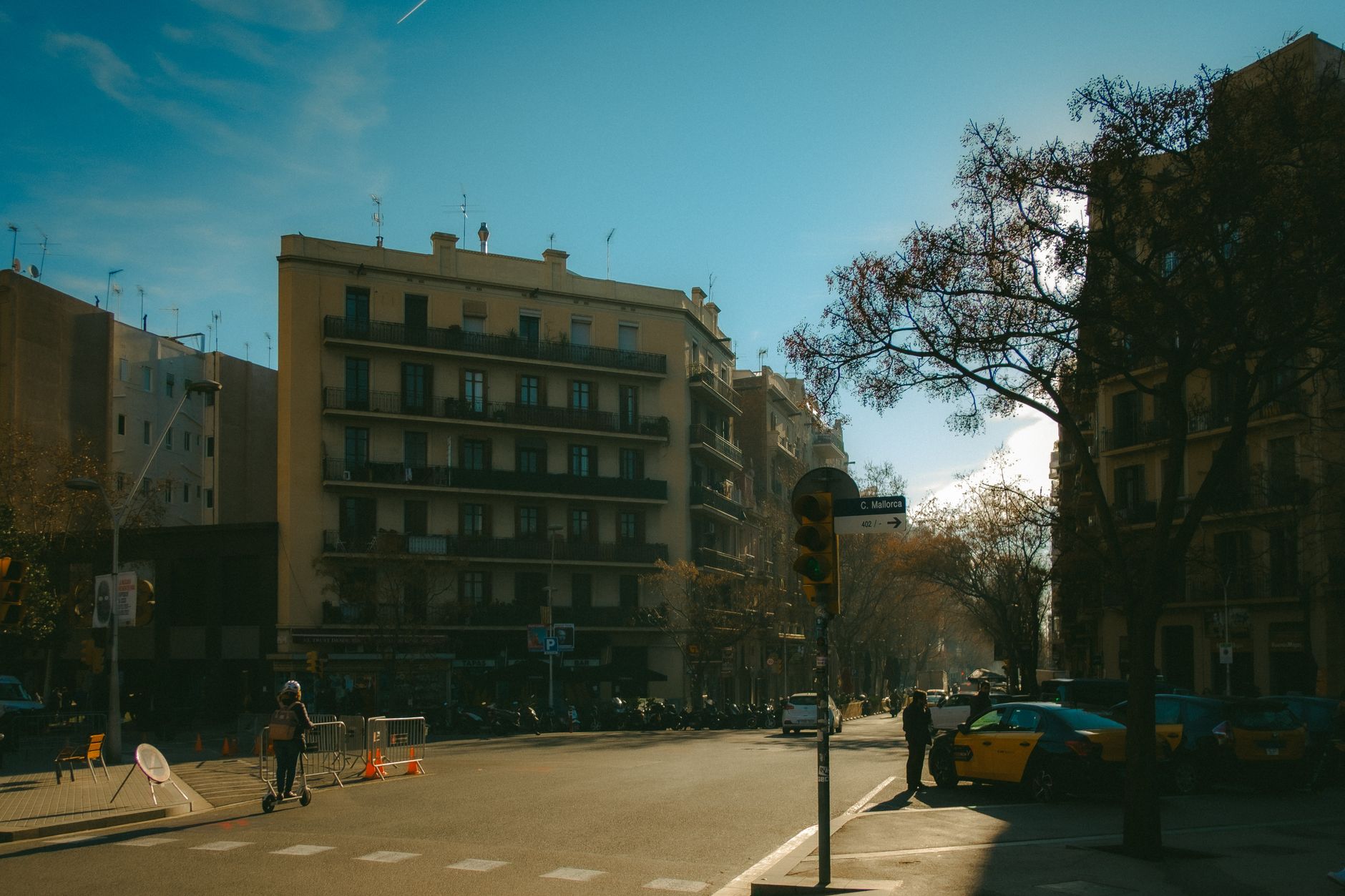
The scorched heat radiating off the pavement on Avinguda Diagonal this morning served as a blunt reminder that peak summer has arrived in Barcelona. While the city’s high-traffic zones struggle under the weight of record-breaking July temperatures, the real pulse of the city has retreated into the shaded aisles of neighborhood markets and independent workshops. Residents are increasingly turning away from the crowded tourist thoroughfares of Las Ramblas to support a growing network of artisanal retailers and revamped food halls that prioritize local provenance over convenience.
This shift isn't just a reaction to the mid-day heat or the surge in visitors during the 2026 summer season. It represents a fundamental change in how locals manage their monthly household budgets. With retail inflation hovering at 3.2% across Catalonia according to the latest Idescat figures, residents are finding that specialized markets offer better shelf life and value for produce compared to the centralized supermarket chains that dominate the Eixample and Gràcia districts.
Mapping the Best Local Hauls
For those looking to escape the crush, the Mercat de Galvany remains the gold standard for quality, though it requires a discerning eye. Located in the heart of the Sarrià-Sant Gervasi district, its intricate wrought-iron architecture provides a much cooler environment than the open-air stalls found in the Old City. Nearby, the shops along Carrer de Verdi in Gràcia have seen a 15% increase in foot traffic this quarter, as independent textile designers and ceramicists offer an alternative to the multinational fashion outlets. These boutiques, many of which operate as part of the Associació de Comerciants de Gràcia, are focusing on small-batch production that minimizes the environmental cost often associated with mass-market shipping.
Pricing in these local hubs reflects the quality of the supply chain. A seasonal haul of stone fruits and organic vegetables from producers at the Mercat de l'Abaceria typically averages between 25 and 35 euros per week for a two-person household, competitive with high-end retail pricing but with vastly superior freshness. For those seeking non-perishables, the resurgence of the concept store model—such as the collective spaces found near Plaça de la Virreina—allows local artisans to share overhead costs, resulting in price points that remain accessible despite the rising costs of raw materials.
Practical Tips for Savvy Shopping
If you are planning to shop this weekend, adjust your schedule to match the city's natural rhythms. The most successful shoppers are hitting the stalls before 10:30 a.m. or during the late afternoon lulls when vendors are most willing to discuss the origins of their stock. Always carry a sturdy, reusable tote; the city’s ongoing crackdown on single-use plastics has effectively eliminated bags in most independent stalls, and vendors often view a personal basket as a sign of a repeat customer. If you find yourself in the Poble-sec neighborhood, don't miss the independent pantry goods available near Carrer de Blai, where bulk grains and oils are sold by the kilo, cutting down on both waste and the markup associated with fancy packaging.
Looking ahead to the autumn, expect more of these markets to integrate digital pre-order systems. Initiatives piloted by the Mercat de la Concepció are already allowing residents to reserve specific cuts of meat or artisanal cheeses via WhatsApp groups, ensuring that supply meets demand without the risk of over-purchasing. By leaning into these hyper-local networks, residents can bypass the frustrations of the tourist-heavy city center while supporting the sustainable economic infrastructure that keeps the city functional year-round.