Why Barcelona’s Midnight Pulse Refuses to Sync with the World
As heatwaves cripple public gatherings in Washington and Philadelphia, Barcelona’s nocturnal lifestyle remains the only clock worth following.
As heatwaves cripple public gatherings in Washington and Philadelphia, Barcelona’s nocturnal lifestyle remains the only clock worth following.
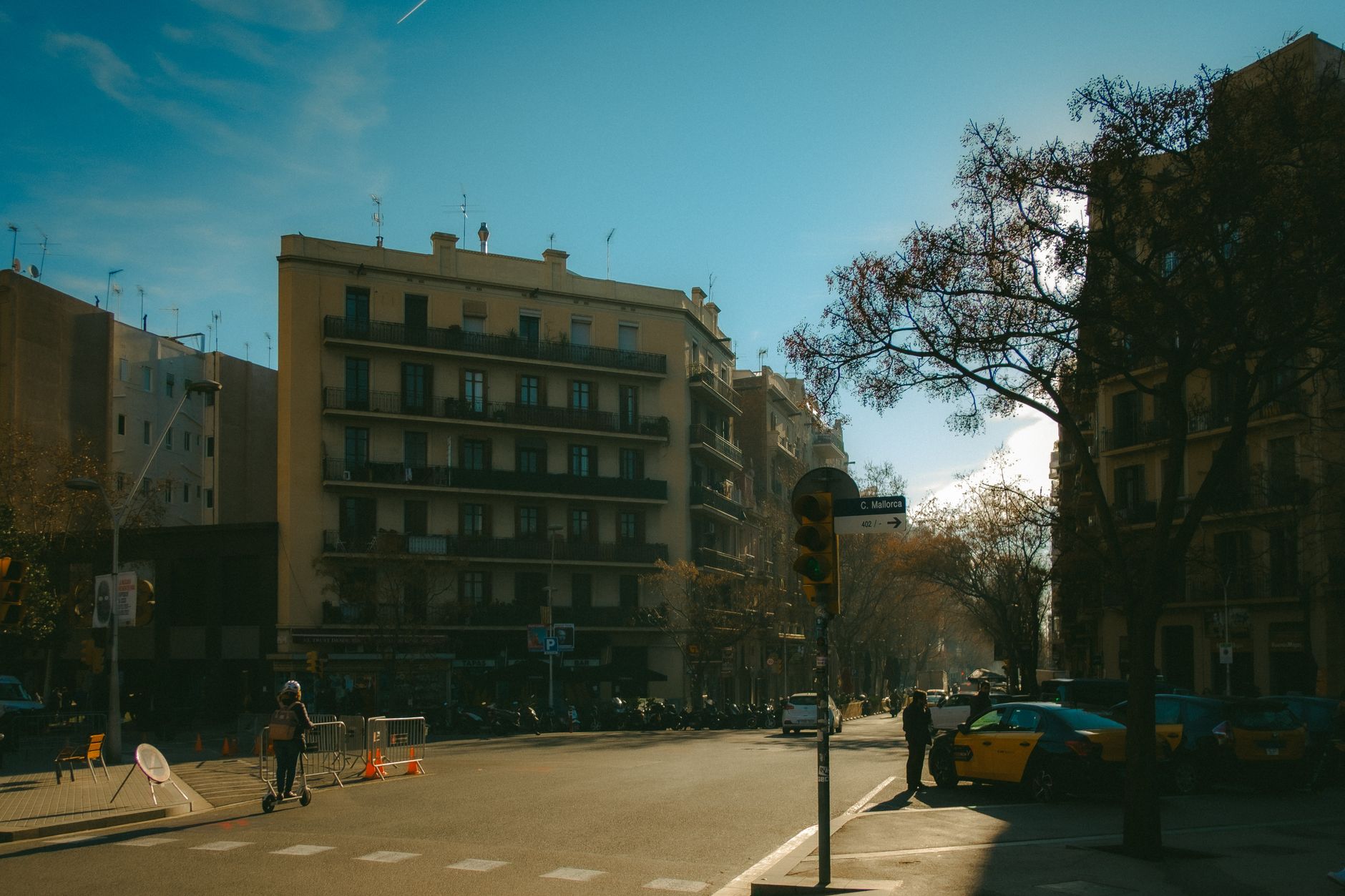
Barcelona’s social clock hit midnight on Thursday, and the queues outside Paradiso in El Born show no signs of thinning. While international headlines today focus on the mass cancellation of Fourth of July festivities across the United States due to dangerous heat, Barcelona’s nightlife remains unapologetically vibrant, dictated by a rhythm that has ignored global trends for decades.
This resilience is why tourists flock here by the millions. The city’s unique refusal to adopt the ‘early-to-bed’ habits prevalent in cities like London or Berlin stems from a cultural commitment to the *sobretaula*—that long, rambling period after dinner where conversation holds more weight than the next drink. In a globalized world where nightlife is increasingly standardized, Barcelona remains one of the few capitals that truly doesn't wake up until 10:00 p.m.
The city's social ecosystem is currently being tested by the record-breaking temperatures of July 2026, yet the response is characteristically Catalan: move it outside and push it later. At 2:00 a.m. tonight, the terraces along Carrer de Joaquín Costa in El Raval will be just as dense as they were at sunset. Local organizations like the Associació de Veïns del Barri Gòtic continue to monitor the balance between this nocturnal lifestyle and resident peace, but the fundamental reality remains that the street is the city’s primary living room.
For those looking for the authentic experience, venues like Dr. Stravinsky on Carrer dels Mirallers offer a distillation of this ethos, blending local botanical ingredients with a service pace that prioritizes the experience over the transaction. The math behind the nightlife is equally stubborn. Despite inflation pushing the cost of a standard cocktail to between 12 and 16 euros in high-end venues, occupancy rates in Eixample’s late-night bars remain at 90 percent on weekdays, according to data from the Gremi de Restauració de Barcelona.
The divide between Barcelona and the rest of the world is not just about time; it is about infrastructure. The city’s public transit network, specifically the TMB metro system, maintains extended Friday service until 2:00 a.m., ensuring that the transition from a late dinner to a nightclub like Razzmatazz in Poblenou is seamless. While other cities suffer from the 'last train' anxiety, Barcelona’s flow is designed to keep the party moving.
If you are planning to navigate the social scene this weekend, drop the ambition of hitting a venue before 11:00 p.m. If you show up for a table at 8:00 p.m., you will likely find yourself eating with the early-bird tourist crowd. Instead, head to the calmer corners of Poble-sec, order a vermut and a plate of gildas, and wait for the humidity to break. The city won't peak until well past 1:00 a.m., and if you try to fight the clock, you’ll only find yourself standing alone in an empty bar.
How does this story make you feel?
Spread the word
About this article
Published by The Daily Barcelona
Daily brief
Free, in your inbox before 7am. Weekdays.
More in lifestyle