Why Barcelona’s Weekend Rhythm Defies the Global July Heat
As North American cities cancel festivities due to record-breaking heat, Barcelona’s unique urban layout and late-night culture offer a blueprint for surviving summer.
As North American cities cancel festivities due to record-breaking heat, Barcelona’s unique urban layout and late-night culture offer a blueprint for surviving summer.

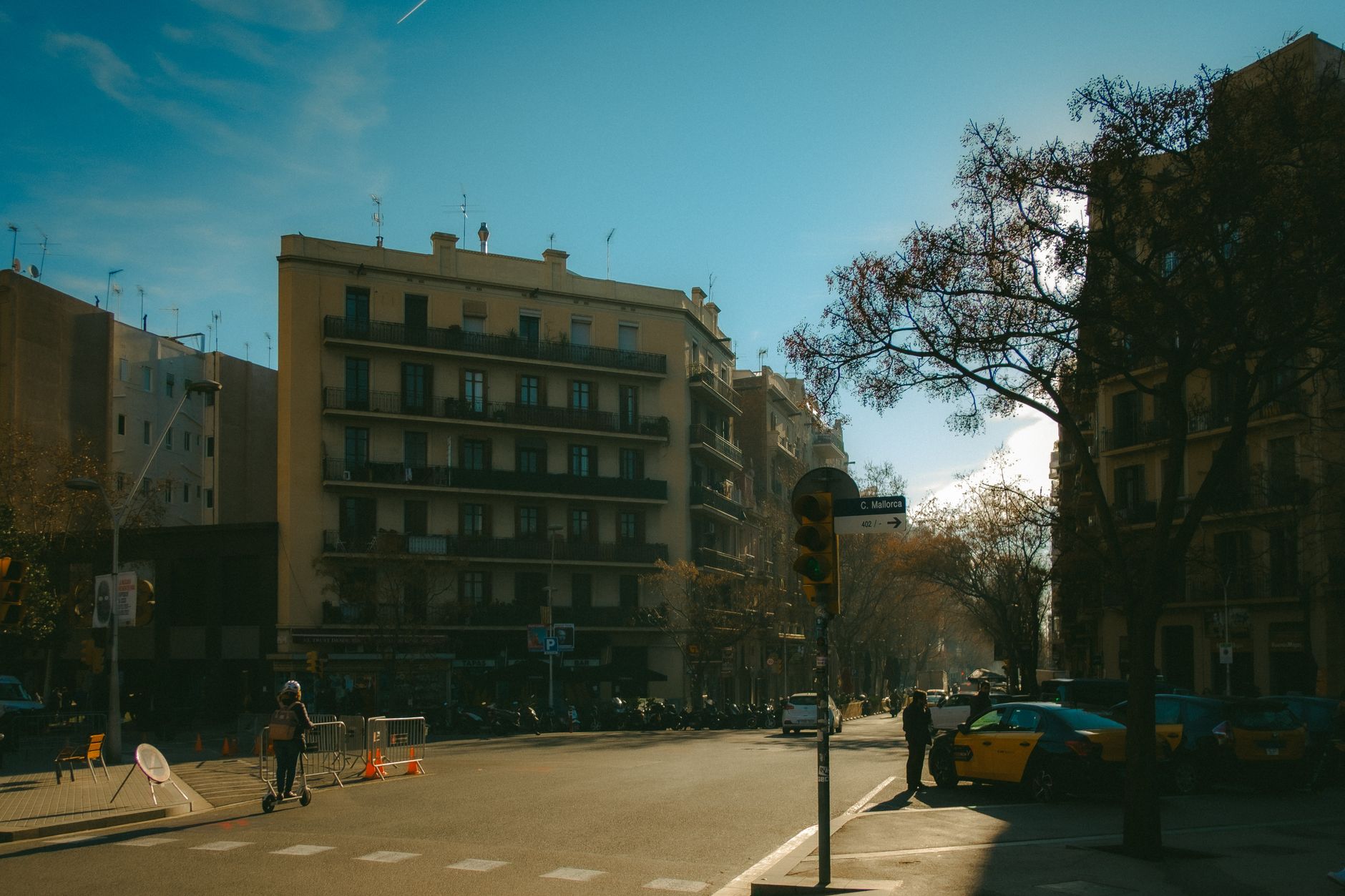
Barcelona’s streets remain unusually resilient today, July 4, even as news wires carry reports of cancelled Fourth of July events across Philadelphia and Washington, D.C. due to dangerous, triple-digit temperatures. While the American East Coast hides indoors, the Eixample district is currently alive with residents navigating the shaded intersections of Carrer de Consell de Cent, a project recently transformed into a pedestrian-heavy 'superilla' or super-block. This urban configuration, which limits through-traffic and increases vegetation, has lowered local temperatures by approximately 2.5 degrees Celsius, according to data from the Barcelona Institute for Global Health.
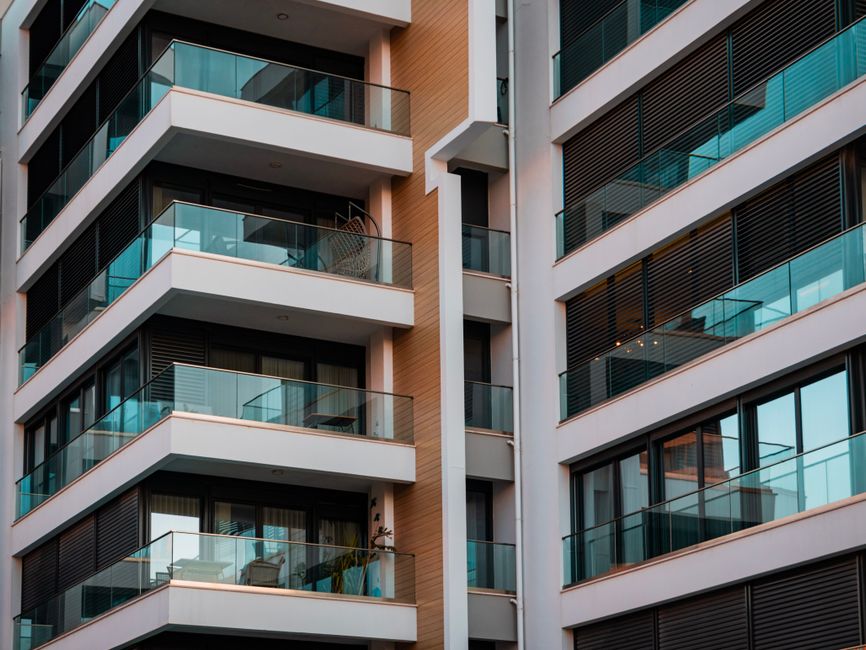
The city’s structural advantage over global peers like London or Paris stems from the Ildefons Cerdà plan. The chamfered corners of the Eixample’s city blocks do more than provide space for traffic; they allow for a consistent cross-breeze that prevents the heat-trap effect often found in dense, medieval grids. At the Mercat de la Concepció, vendors are still moving fresh produce at 2:00 p.m., shielded by high iron ceilings and the thick stone walls that have kept the structure cool since its construction in 1888. Unlike the modern glass-and-steel skylines dominating new developments in Dubai or Singapore, the traditional masonry of Barcelona provides a thermal mass that regulates indoor climate naturally.
Local leisure habits have shifted further into the evening to accommodate the rising mercury. Organizations like the Associació de Comerciants de Gràcia have pushed for extended retail hours, keeping storefronts open until 10:00 p.m. to capture the flow of evening foot traffic. For those looking to escape the city core entirely, the Rodalies de Catalunya train lines offer a 45-minute transit to the coastal village of Sitges for a base fare of €4.60. By prioritizing social life during the twilight hours, the city manages to maintain its economic vitality without forcing residents into the midday sun.
As we head into this weekend, the city’s parks, such as the Parc del Laberint d’Horta, are extending their evening lighting, allowing visitors to walk through the cypress hedges long after the sun has dipped behind Collserola. If you are planning a day trip, skip the midday trains. Aim for the 7:30 p.m. departure from Passeig de Gràcia. It is the only way to experience a Mediterranean summer without becoming part of a weather statistic. Expect the temperature to hover around 24 degrees Celsius tonight—a rare mercy in a summer that is testing the limits of major cities worldwide.
How does this story make you feel?
Spread the word
About this article
Published by The Daily Barcelona
Daily brief
Free, in your inbox before 7am. Weekdays.
More in lifestyle