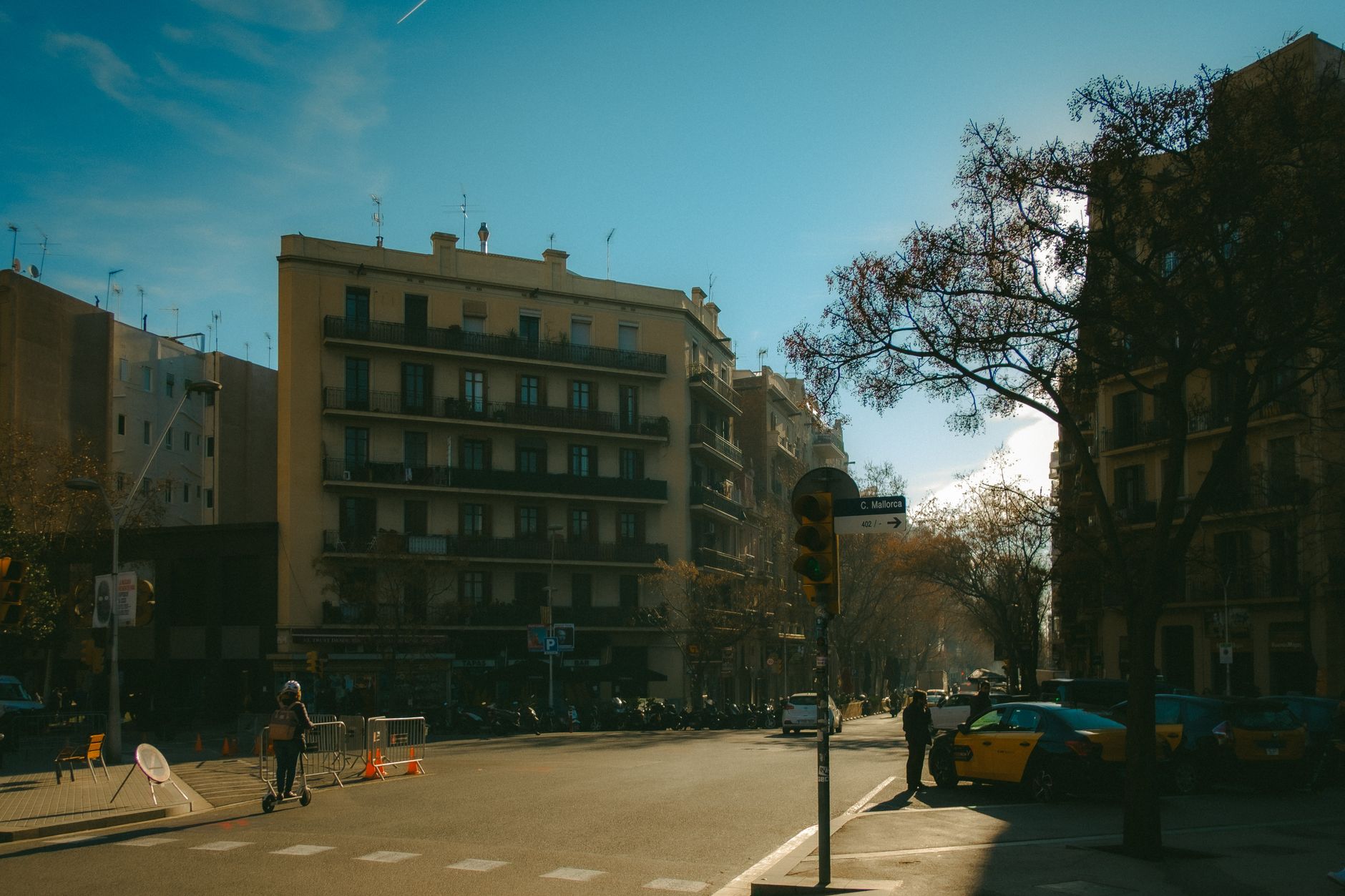
Parents dropping kids at Escola Poblenou on Carrer de Pujades used to sit in their cars for 20 minutes waiting for the 8:55 a.m. bell. Now half of them park two blocks away and walk.
The shift reflects a broader reckoning among Barcelona families about how children get to school. With this summer's brutal temperatures pushing Wednesday's thermometer to 42 degrees Celsius in the city centre, and the municipality tightening restrictions on vehicle traffic around educational spaces, neighbourhoods like Poblenou and Sant Antoni are experimenting with supervised walking groups, expanded bicycle parking, and staggered drop-off times that pull cars away from schoolyard congestion.
The change isn't entirely voluntary. Barcelona's city council introduced new regulations in March 2026 limiting personal vehicle access to school zones between 7:45 a.m. and 9:15 a.m., except for families with documented mobility needs. Parents breaking the rules face 100-euro fines. But what started as bureaucratic enforcement has evolved into something more organic: neighbourhood parents are now organizing their own systems to move children through the city on foot and wheels.
Sant Antoni's Network Effect
In Sant Antoni, three separate walking groups now operate from different starting points, converging at Escola Antoni Gaudí on Carrer de Còrsega. The scheme launched informally in April when a handful of parents began coordinating pickups via a WhatsApp group. By June, the network had grown to 85 families rotating supervision duties on a monthly basis. Children wear bright yellow vests provided by the neighbourhood association, and the groups move as a block down designated quieter streets.
"We were amazed by how quickly it caught on," said one Poblenou parent who manages a similar group covering the Parc del Centre area. "Once you remove the friction of having to find parking and navigate traffic, more people opt in. Parents who weren't doing the school run before are now joining the walking groups because it's predictable and social."
Poblenou, which already benefits from its waterfront promenade and relatively quieter streets than the Eixample, has become a testing ground for bicycle infrastructure. The neighbourhood added 47 new bike parking spaces at four school locations between February and May 2026. Usage data collected by the city shows that bicycle drop-offs at Escola Poblenou and nearby Escola Bogatell increased by 64 percent in the past two months alone.
The Numbers Behind the Shift
Barcelona's municipal education office reports that average vehicle traffic around primary schools dropped 31 percent since the March restrictions took effect. The city had previously identified 18 school zones with chronic congestion; 12 of those are now seeing significantly lighter traffic. The environmental payoff matters: a June analysis by Barcelona's municipal sustainability department calculated that the vehicle reduction avoided 847 tonnes of CO2 emissions across these zones in the first quarter of implementation.
The costs vary. A family with one child can expect to pay nothing to join a walking group; some neighbourhoods charge a small annual fee of 15 to 25 euros to cover organizational costs and supplies like safety vests. Families investing in cargo bikes for school transport report spending between 1,200 and 2,000 euros upfront, though the city's subsidized bike-purchase program covers 40 percent of that cost for families below the income threshold of 40,000 euros annually.
Not everyone has embraced the changes smoothly. Parents in neighbourhoods with steeper topography or longer distances from school—parts of Sarrià and Pedralbes—have pushed back, arguing the restrictions unfairly burden families without practical alternatives. The city council has extended the exemption list and is piloting a limited drop-off zone system in those areas to balance competing needs.
For families considering the switch, the practical advice is straightforward: start a walking group with neighbours, scout your route during off-peak hours to identify the safest streets, and download the city's interactive school zone map on the Barcelona Activa app. The yellow safety vests cost 8 euros from most neighbourhood civic centres. Most parents find that once they've done the first week, the routine becomes automatic. The morning pace slows, and children arrive at school with more energy than they would sitting in traffic.