A Resident’s Guide to Navigating Barcelona’s Transit Shift
With the city’s expansion of the T-mobilitat network and new restrictions on heavy traffic, here is how to master your commute this summer.
With the city’s expansion of the T-mobilitat network and new restrictions on heavy traffic, here is how to master your commute this summer.
Barcelona’s transit landscape underwent a significant structural shift this morning as the Metropolitan Transport Authority (ATM) finalized the rollout of the T-mobilitat digital ticketing system across all six tariff zones. For the 1.6 million residents of the city, this means the end of traditional magnetic-stripe paper cards on the TMB bus network and the FGC rail lines, cementing a fully contactless ecosystem for daily travel.
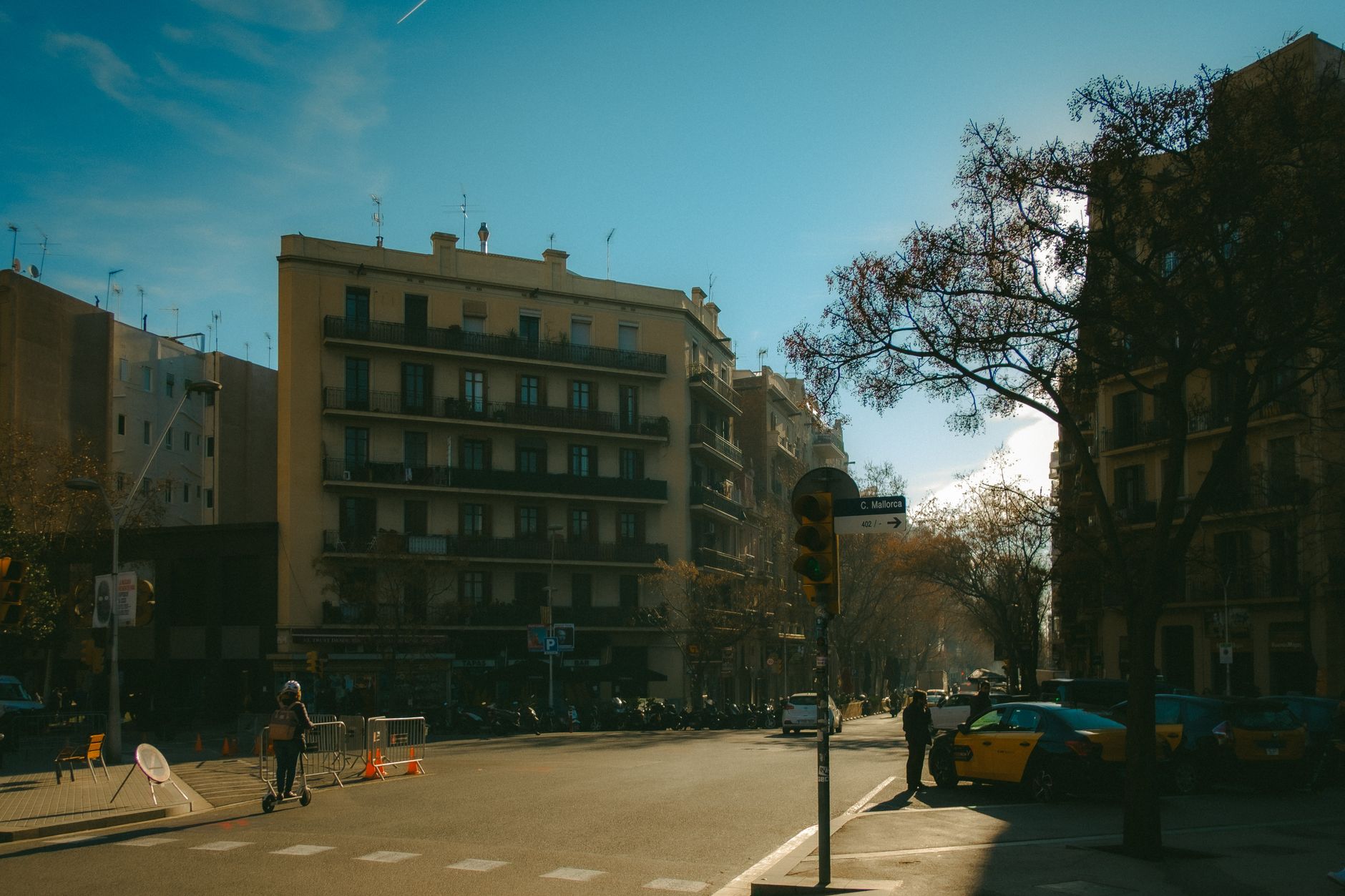
The change comes at a critical juncture for the city. With record-high temperatures forcing a shift in social rhythms, the ability to navigate between the shade-drenched corridors of the Eixample and the coastal breezes of Poblenou without fumbling for paper tickets is no longer a luxury—it is a baseline necessity for maintaining a quality of life in a densifying urban center.
Getting around efficiently requires leveraging the updated Bicing network. The city council has added 40 new mechanical and electric docking stations, particularly around the Plaça de les Glòries and the upper reaches of Gràcia. If you are commuting from the periphery, the integration of the Rodalies de Catalunya trains with the TMB metro via the La Sagrera interchange remains the most reliable way to beat the mid-morning heat, saving an average of 15 minutes compared to navigating the congestion on the Gran Via de les Corts Catalanes.
For those living near the beachfront, the expansion of the tram lines—specifically the T4 and T6 connections—has effectively bridged the gap between the Forum area and the Ciutadella park. Cyclists, meanwhile, should be aware that the new cycle lanes on Carrer de València have officially transitioned to a high-priority status for maintenance, meaning fewer potholes and more frequent debris clearing than seen in previous seasons.
Budgeting for this infrastructure is a standard practice for local households. The T-usual monthly pass, which offers unlimited travel within zone 1, currently sits at 21.35 euros following the ongoing public transport subsidies. This remains one of the most cost-effective commute models in the Eurozone, significantly cheaper than the equivalent monthly fare in Paris or London, where transit costs have seen double-digit percentage hikes since early 2025.
Planning your movement is essential as the city moves through July. Residents are advised to download the 'AMB Mobilitat' application, which now provides real-time occupancy data for individual bus carriages. If you find yourself stranded near the beach after midnight, the Nitbus service still operates its hub at Plaça de Catalunya, though capacity often reaches its limit on Thursday nights as residents head toward the clubs in Port Olímpic. Keep your phone battery charged; since the July 1 update, transit authorities are no longer issuing printed receipts or paper maps at major hubs like Sants Estació, relying entirely on the digital interface to guide commuters through the latest route diversions.
How does this story make you feel?
Spread the word
About this article
Published by The Daily Barcelona
Daily brief
Free, in your inbox before 7am. Weekdays.
More in lifestyle