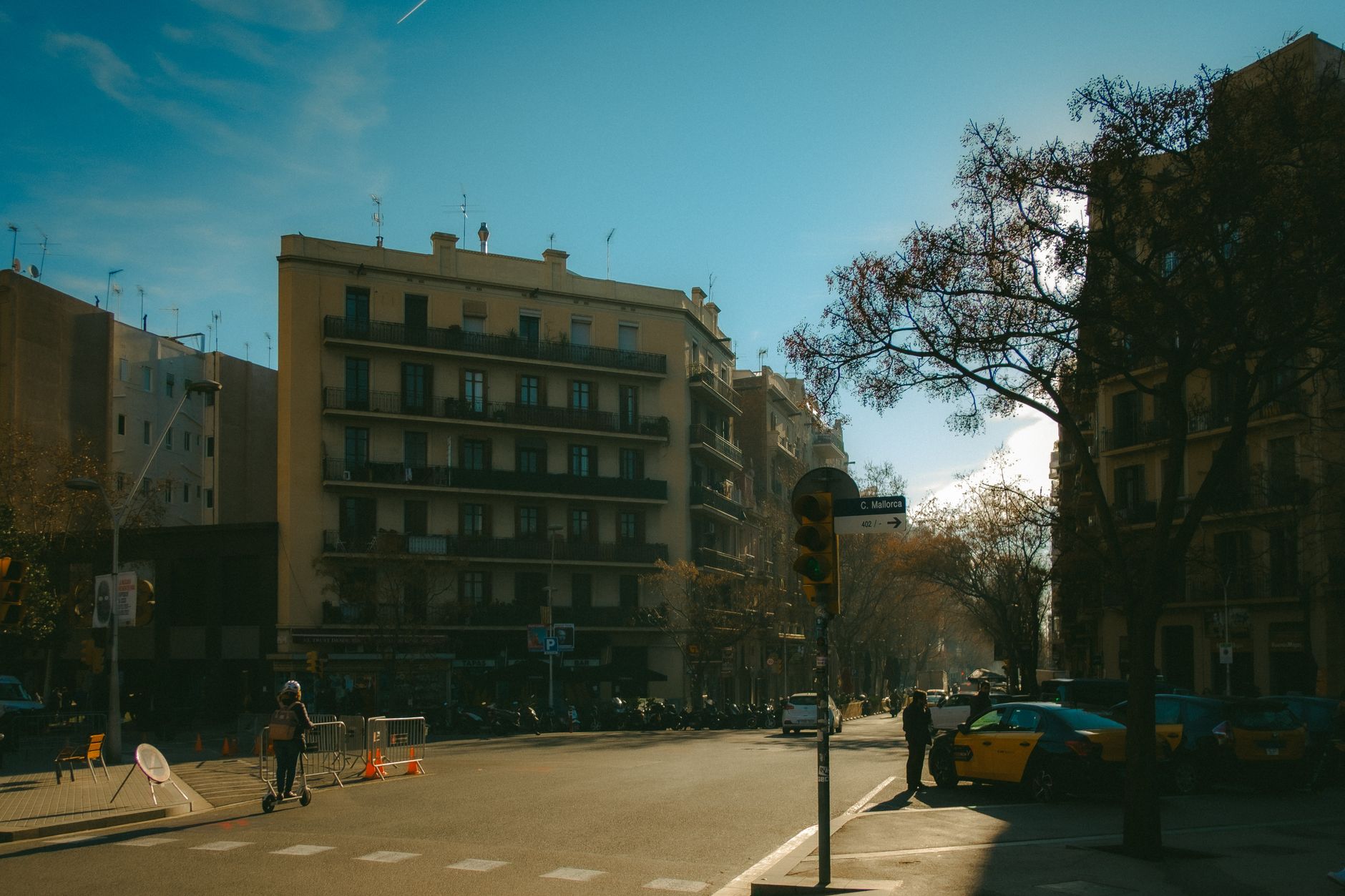
The mercury hit 34 degrees Celsius by noon today, pushing most of Barcelona’s temporary residents into the air-conditioned shops of Passeig de Gràcia. However, those seeking a genuine glimpse of local life have headed north to the Plaça del Mercadal in Sant Andreu. Here, the traditional community vibe hasn't been scrubbed away by global retail chains; instead, the neighborhood is settling into its weekend rhythm of vermouth, local markets, and a fiercely guarded independence from the tourist trail.
The enduring strength of the district identity
Sant Andreu remains one of the few places in the city where your morning coffee is served by a barista who remembers your order from last Tuesday. Organizations like the Casal Catòlic de Sant Andreu continue to act as the district's social anchor, hosting communal lunches and cultural events that prioritize residents over transient visitors. This focus on neighborhood identity is vital as the rest of the city faces record-breaking July temperatures that have forced the cancellation of outdoor events in other major urban centers abroad. By keeping life local, Sant Andreu avoids the logistical pressures seen in districts like Gràcia, where residential character is often eclipsed by foot traffic.
Walking down Carrer Gran de Sant Andreu, the shift in pace is palpable compared to the frenetic energy of the Gothic Quarter. Local shopkeepers have organized the 'Som de Sant Andreu' initiative to promote regional producers, ensuring that even during the mid-summer slowdown, the economy remains self-sustaining. The area retains its status as a former independent municipality, a history that locals preserve with a tenacity that keeps international hotel developers largely at bay.
Community economics and the weekend outlook
Data from the Barcelona City Council suggests that foot traffic in the outer districts has increased by 14 percent compared to the same period in 2025, driven largely by residents trading crowded urban beaches for neighborhood pools and plazas. A standard weekend lunch menu in the area—typically featuring grilled octopus or botifarra with beans—hovers around 16 to 19 euros, a price point that has stayed consistent despite inflation. These venues operate on a principle of low turnover and high local engagement, favoring the regular neighborhood patron over the one-time visitor.
If you are planning a day trip this weekend, skip the beach commute. Take the L1 Metro line to Sant Andreu station and spend your afternoon in the shade of the trees at Plaça de Can Fabra. Bring a book and expect the conversation in the local bodegas to center on the regional agricultural harvest rather than global headlines. Most importantly, keep your plans flexible; in a neighborhood where the community vibe is the primary draw, the best experiences are rarely scheduled and almost never found on a travel app.