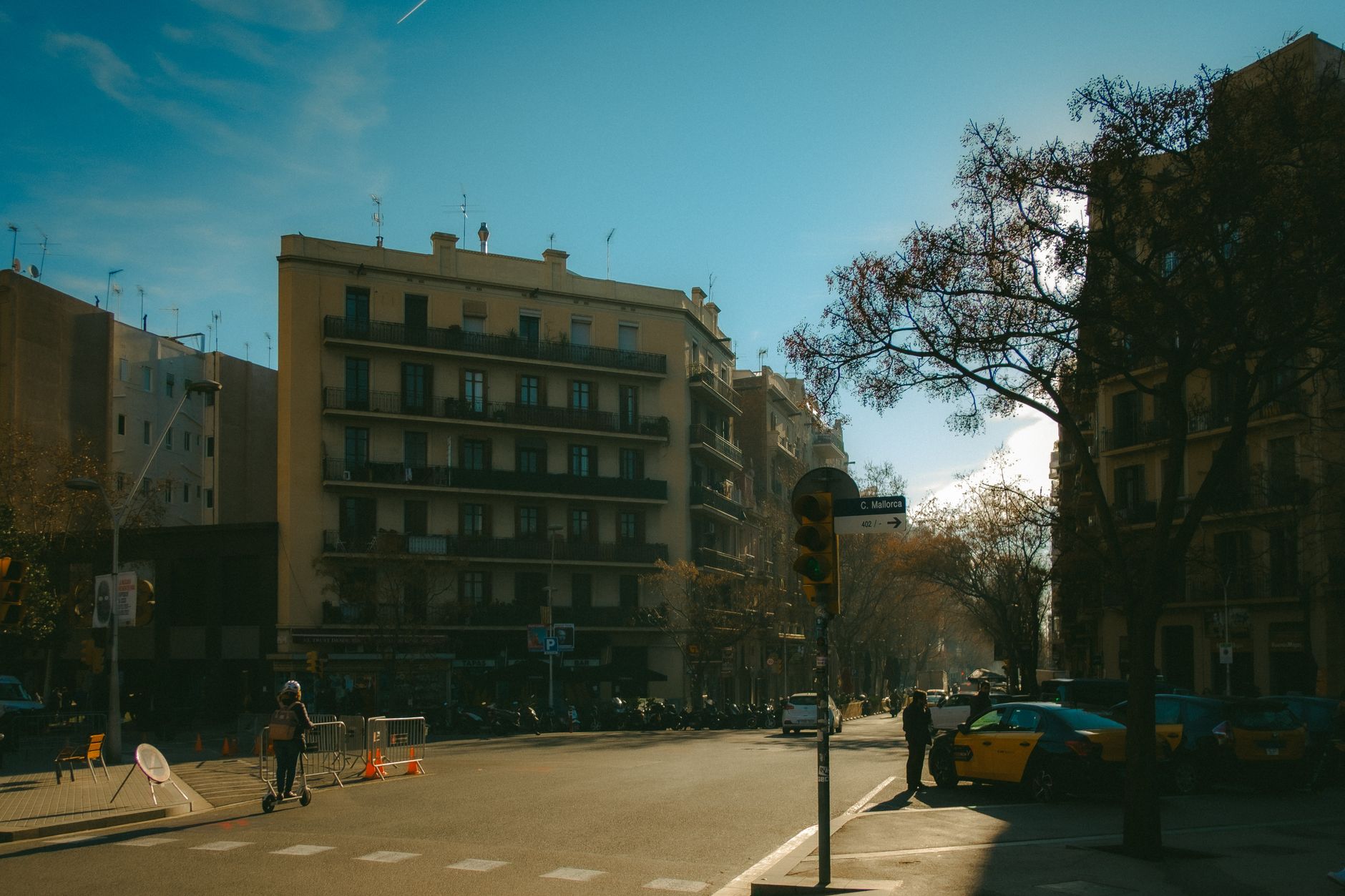
Barcelona’s historic food and artisan markets are undergoing a fundamental shift in how they conduct business this July. Gone are the days when the Mercat de Sant Antoni or the Mercado de la Concepción operated purely on a cash-and-carry basis; today, stallholders are rapidly adopting blockchain-based loyalty programs and digital inventory trackers to manage the rising cost of imported goods. While the scent of fresh sea bream and ripening peaches remains constant, the back-office operations of these stalls look more like tech startups than traditional family-run greengrocers.
The Digital Transition in Gràcia
The transformation is most visible in the Carrer de Verdi corridor, where smaller boutique retailers are banding together under the 'Gràcia Digital' initiative. This collective has helped forty independent merchants install unified point-of-sale systems that connect directly to local artisanal suppliers in the Maresme region. By cutting out middle-market wholesalers, these traders are attempting to insulate their profit margins against the inflationary pressure currently impacting the wider European Union. It is a necessary pivot in a neighborhood where rental prices for ground-floor commercial units have climbed by 14% over the last twenty-four months.
This shift isn't limited to the upscale boutiques. Even within the sprawling footprint of the Mercat de la Boqueria, merchants are beginning to phase out paper-based accounting. Data from the Associació de Mercats de Barcelona indicates that digital payment adoption among stall owners has surged from 32% in 2024 to nearly 78% as of this morning. The move is designed to track inventory in real-time, allowing vendors to dynamically adjust prices based on supply chain disruptions, such as the logistics bottlenecks currently affecting transit from the Maghreb.
Adapting to the Mid-Summer Heat
Extreme weather is forcing another evolution in how these markets function. With daytime temperatures consistently hitting 34 degrees Celsius this July, operators have been forced to invest heavily in industrial-grade refrigeration and shaded climate-controlled walkways. Installing a standard cooling unit in a 10-square-meter stall now costs upwards of €3,500, a steep entry barrier for many third-generation families. Several historic markets have responded by applying for European Regional Development Fund grants, specifically targeting climate resilience and energy efficiency upgrades.
Shoppers looking to navigate these changes should expect a more streamlined, albeit less spontaneous, shopping experience. If you are planning a market run this weekend, check the 'MercatsBCN' app before leaving the house. The platform now provides live availability reports for essential staples like Galician beef and seasonal stone fruit. For those accustomed to the old-school haggling of the past, the new digital standardized pricing may feel impersonal, but it offers a crucial layer of transparency for a city struggling to balance its identity as a global tourism hub with the needs of its long-term residents.