Pedals and Pavement: Inside the Neighborhood Shift of Barcelona's Commuter Culture
As residents trade metro lines for quiet side streets, the rhythm of daily travel in the city is rewriting the social contract of our neighborhoods.
As residents trade metro lines for quiet side streets, the rhythm of daily travel in the city is rewriting the social contract of our neighborhoods.

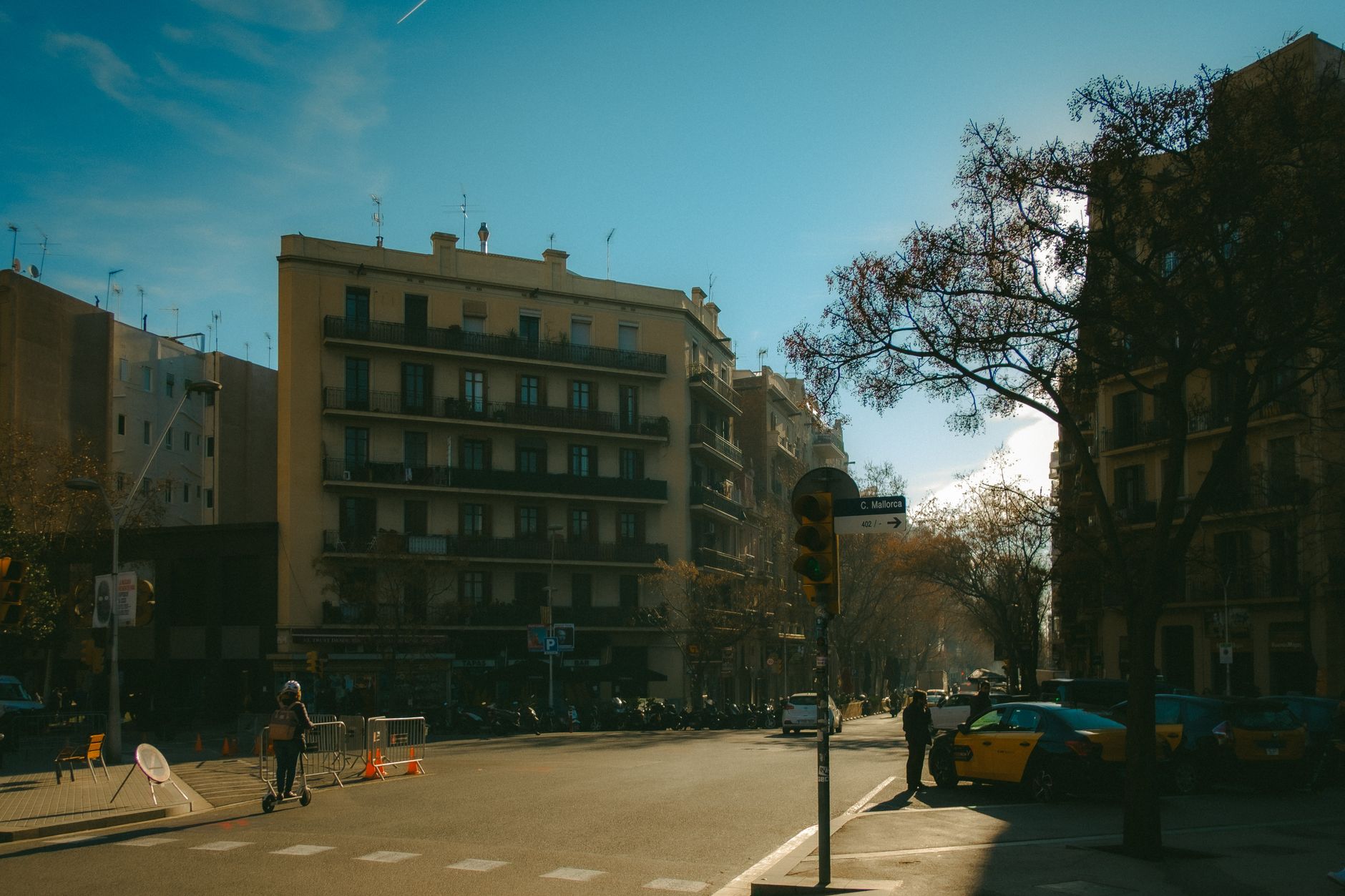
Barcelona’s morning pulse has migrated from the subterranean rumble of the TMB metro to the rhythmic click of bike chains and the steady footfalls of pedestrians in the Eixample. Data from the Ajuntament de Barcelona released this morning confirms that non-motorized trips through central corridors have surged by 14 percent since last summer, a shift that is fundamentally altering how local communities interact with their own streets.
The transformation is most visible within the superilles, or superblocks, that now define the urban geometry of neighborhoods like Sant Antoni and Poblenou. On Carrer de Tamarit, the absence of through-traffic has turned the thoroughfare into an impromptu outdoor lounge where neighborhood seniors from the Casal de Gent Gran occupy benches while parents wait for school pickups from the nearby Escola Ferran Sunyer. The noise levels, once dominated by the drone of idling scooters on Gran Via, have been replaced by the chatter of neighbors and the occasional warning bell of a bicycle courier navigating the pedestrian-priority zones.
This shift isn't just about traffic flow; it’s about the revival of the ground-floor economy. Independent cafes and repair shops have proliferated along the newly quieted axes. At the intersection of Carrer de Comte Borrell and Carrer de Parlament, local business owners report that foot traffic has transformed the area into a 'slow-commerce' hub, where residents are far more likely to stop for a cortado than they were when the street was a primary transit artery for taxis and delivery trucks.
Budget constraints and environmental mandates are driving these habits as much as cultural preference. As of July 1, the standard T-usual monthly pass remains fixed at 21.35 euros, a price point that still makes public transport a bargain, yet the uptake of Bicing—the municipal bike-sharing scheme—has hit a record high of 175,000 active users this season. According to municipal transit reports, the cost of ownership for a private combustion-engine vehicle in the city center now exceeds 450 euros monthly once insurance, resident parking permits, and the mandatory low-emission zone (ZBE) compliance fees are factored in.
For those living in the densely packed blocks of Gràcia, the commute has become an exercise in micro-navigation. The steep climbs up toward Plaça de la Virreina are now routinely handled by electric-assist cycles, which have become the unofficial vehicle of the neighborhood’s younger professional demographic. The challenge remains for commuters arriving from the metropolitan periphery, where connectivity to the Rodalies rail network remains plagued by delays and technical maintenance shutdowns that have become a near-weekly occurrence on the R1 line.
If you are planning to navigate the city this summer, leave the car in the garage. The most efficient way to gauge the mood of a neighborhood remains a walk through the interior courtyards of the Eixample or a cycle ride down the protected lanes of Avinguda Diagonal. Keep an eye on the TMB app for real-time service alerts, but expect to find that the city’s true character is now best experienced on the surface, where the pavement has finally been returned to the people.
How does this story make you feel?
Spread the word
About this article
Published by The Daily Barcelona
Daily brief
Free, in your inbox before 7am. Weekdays.
More in lifestyle