School’s Out: Inside the Battle for Summer Sanity in Gràcia
As the final bell rings at Escola Costa i Llobera, parents across the city are trading classroom runs for a frantic scramble to manage Barcelona’s unique neighborhood-based summer rhythms.
As the final bell rings at Escola Costa i Llobera, parents across the city are trading classroom runs for a frantic scramble to manage Barcelona’s unique neighborhood-based summer rhythms.

The annual migration from the structured chaos of Barcelona’s public school system to the informal, outdoor-focused reality of summer began yesterday, July 3. For the city’s parents, the transition marks the end of the 2025-2026 academic year and the start of an eight-week stretch where the neighborhood plaza—the plaça—replaces the schoolyard as the primary site of childhood socialization.
This shift matters because the Barcelona parenting model relies heavily on the 'barrio' as an extended ecosystem. Unlike cities that rely on centralized daycare hubs or suburban transit, families here expect the local environment to do the heavy lifting during the summer months. With temperatures climbing toward 30°C this week, the pressure on local community centers to provide relief and recreation has never been higher.
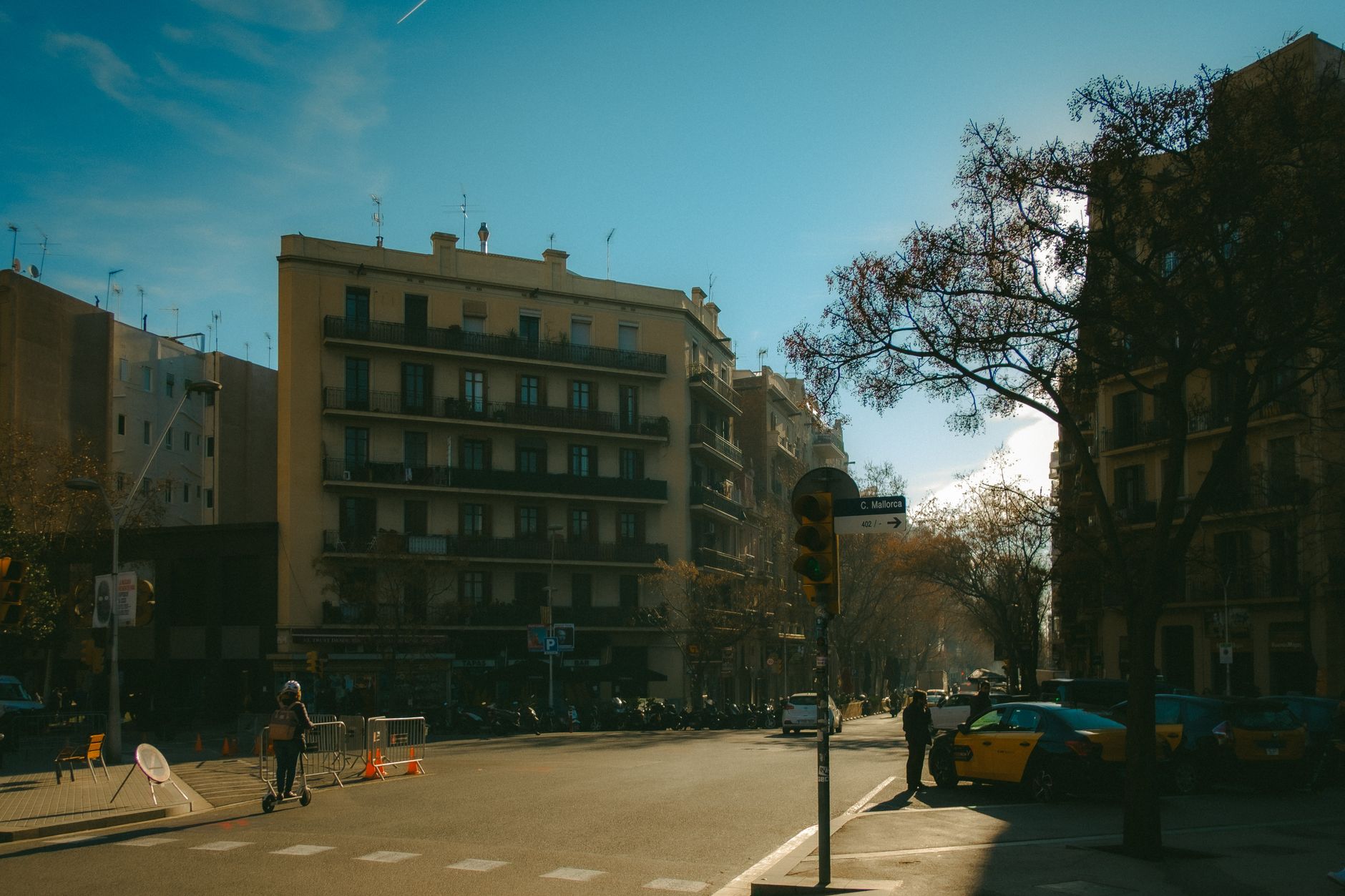
In neighborhoods like Gràcia, the community vibe is currently defined by the waitlists for casals d’estiu, the neighborhood-run summer camps that anchor daily life. At the Centre Artesà Tradicionàrius on Travessia de Sant Antoni, the staff spent the last forty-eight hours processing final enrollments for their folk-culture-inspired activities. Similarly, the Associació de Veïns i Comerciants de la Plaça de la Virreina has coordinated with local shopkeepers to ensure that pedestrianized zones remain safe for the sudden influx of children running loose from 2:00 p.m. onwards.
Data from the Ajuntament de Barcelona suggests that the reliance on these hyper-local programs has surged, with public subsidies for low-income summer activities reaching €4.2 million for the current season. Families are paying an average of €120 per week per child for municipal camp spots, a figure that remains stable compared to 2025 rates, though availability in high-demand areas like Sarrià-Sant Gervasi remains scarce. Roughly 68% of local households now utilize at least three weeks of community-led programming to bridge the gap between June graduation and the traditional August exodus to the Costa Brava.
The neighborhood character is tested further by the current heat wave, which has forced many parents to abandon the concrete heat of Plaça del Sol in favor of the shaded canopy of Parc del Guinardó. Local parenting WhatsApp groups are buzzing with real-time updates on which public libraries have the most reliable climate control and which splash pads at the nearby Parc de la Ciutadella are actually operational today. The informal solidarity—where neighbors share the load of pickups and hydration breaks—remains the city’s most effective social policy.
For those still looking to fill the final week of July, the best practical advice remains checking the municipal ‘Estiu Jove’ portal for last-minute cancellations in municipal sports centers. Parents should expect the neighborhood rhythm to slow down significantly after July 15, as the traditional summer business closures begin to sweep through Gràcia and Eixample. If you haven't secured a spot in a local casal by now, prioritize the morning hours for outdoor play and look for the cooling centers established in every district by the city council starting Monday.
How does this story make you feel?
Spread the word
About this article
Published by The Daily Barcelona
Daily brief
Free, in your inbox before 7am. Weekdays.
More in lifestyle