Tracing the layers: The history and evolution of this local scene
From medieval guilds to modern creative hubs, Barcelona’s cultural fabric continues to reshape the city’s identity.
From medieval guilds to modern creative hubs, Barcelona’s cultural fabric continues to reshape the city’s identity.
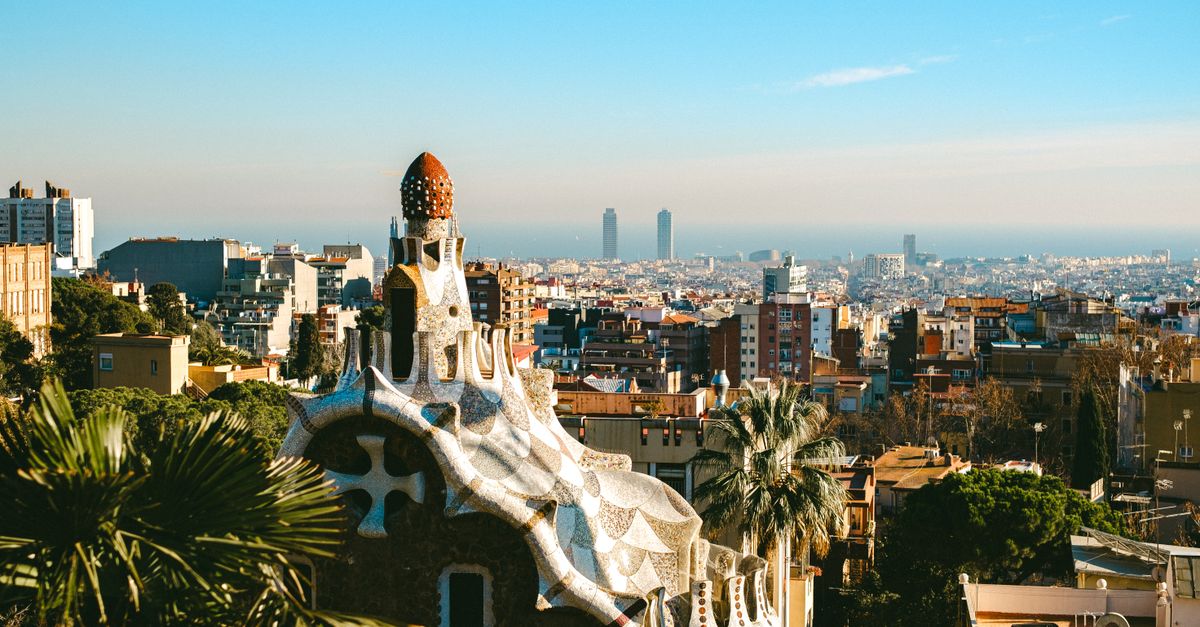
Barcelona’s cultural landscape is currently defined by the tension between its deep historical roots and a rapidly modernizing public life. As of July 2026, the city is seeing a shift in how residents engage with urban spaces, moving away from conventional tourism towards a localized focus on the heritage of districts like El Born and Gràcia. This evolution reflects centuries of transformation, where private courtyards and ancient trade guild sites have been repurposed into dynamic public arenas.
The history of this shift is best observed in the transition of sites like the Palau de la Música Catalana and the Mercat de Santa Caterina. These locations serve as anchors for the city’s creative expression. Historically, the guild halls of the Middle Ages governed the economic and artistic output of the Catalan capital, establishing a tradition of collective craft that persists in the modern artisan workshops found along the Carrer de Petritxol. By integrating these historic sites into current cultural programming, the city maintains a bridge between the mercantile roots of the Gothic Quarter and the contemporary demands of a global creative hub.
Today, visitors and locals alike are prioritizing authentic access to these sites. Organizations such as the Barcelona Institute of Culture (ICUB) have curated programs that emphasize the architectural timeline of these neighborhoods. Walking through the narrow streets of the Ribera district, the visual evidence of the city's evolution is stark; medieval stonework frequently serves as the foundation for modern gallery spaces and innovative culinary ventures. This layering is not merely aesthetic-it is a functional reorganization of how the city’s history informs current community activity.
Economic indicators show that demand for cultural heritage experiences remains strong, even as the city manages a high volume of visitors. According to recent municipal records from the Barcelona City Council, entry fees for state-managed heritage sites have remained stable since the start of the year, with standard adult admissions for major municipal museums averaging between 6 and 15 euros. This pricing structure is designed to keep local engagement high while sustaining the operational costs of preservation efforts across iconic landmarks like the Park Güell and the Picasso Museum.
For those looking to navigate the city’s cultural evolution today, the best approach is to start in the early morning at a traditional cafe in the Gràcia neighborhood to avoid peak congestion. Visitors should cross-reference their itineraries with the official Barcelona Cultura portal to check for special rotating exhibitions that often occupy repurposed industrial spaces in Poble Nou. By focusing on these localized hubs, one can gain a clearer understanding of how Barcelona continues to balance its preservation mandate with the energetic pace of modern European life.
How does this story make you feel?
Spread the word
About this article
Published by The Daily Barcelona
Daily brief
Free, in your inbox before 7am. Weekdays.
More in culture