A complete guide to the best local experiences right now
From the quiet corners of the Gothic Quarter to the summer pulse of the seafront, here is how to navigate Barcelona’s cultural peak.
From the quiet corners of the Gothic Quarter to the summer pulse of the seafront, here is how to navigate Barcelona’s cultural peak.
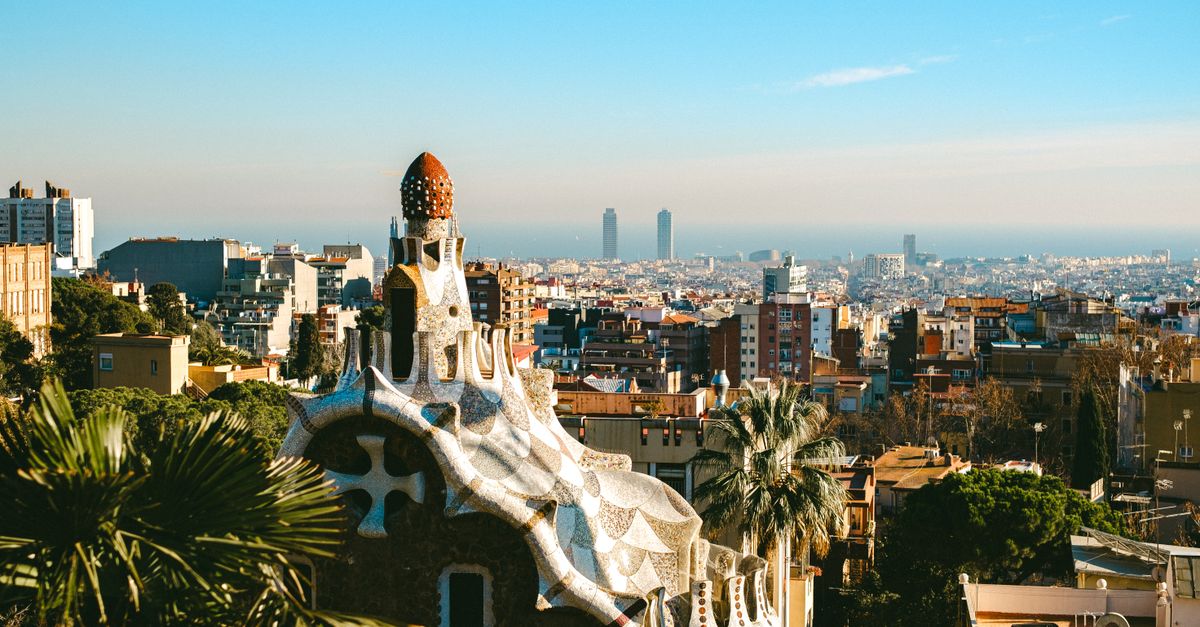
As the July heat sets in across the Catalan capital, residents and visitors are shifting their focus toward the city's diverse cultural offerings. While international headlines remain dominated by the ongoing NATO summit discussions and developments in Eastern Europe, the mood in Barcelona remains anchored in the seasonal rhythm of summer festivals and late-night architectural tours. The city has transitioned fully into its high-summer programming, marking a period where historic sites and outdoor public spaces serve as the primary venues for daily life.
For those looking to avoid the peak humidity of the midday sun, the Palau de la Música Catalana remains a focal point for architectural enthusiasts. Located just off the Via Laietana, the site offers guided tours that provide access to its intricate stained-glass skylights and modernist flourishes. Beyond the classic tourist route, the area surrounding the El Born Centre de Cultura i Memòria is currently hosting a rotation of local historical exhibits that highlight the medieval evolution of the city. These venues act as anchors for the local neighborhood, shifting the focus from standard sightseeing toward a deeper engagement with the city's complex urban history.
Alternatively, the maritime district of Barceloneta is experiencing a surge in evening foot traffic as the sun sets. The proximity of these cultural sites to the shoreline allows for a seamless transition between indoor gallery visits and coastal dining. The local culinary scene is currently emphasizing seasonal produce, with many restaurants in the Raval neighborhood adjusting their menus to highlight fresh Mediterranean catches and regional vegetables. Walking from the Mercat de la Boqueria toward the waterfront remains the most efficient way to observe the current shifts in neighborhood activity, as the streets bustle with both residents and those visiting from outside the province.
Managing the flow of people through high-traffic zones has become a priority for local transit authorities this month. According to the Transports Metropolitans de Barcelona (TMB) official service updates, the metro system has increased its late-night frequency on weekends to accommodate the rise in movement toward the city’s major arts venues and plazas. Visitors should note that public transport remains the most reliable method for reaching the Montjuïc area, where the open-air cinema programs have begun their annual series. Access to these screenings often requires advance planning, as capacity limits remain in place for many of the designated viewing areas within the castle grounds.
Entry fees for many major museums, including the Picasso Museum on Carrer de Montcada, generally range from 15 to 20 euros for general admission, though specific time slots can often be secured at a lower rate if booked via the institution's official website. For those seeking a quieter experience, the gardens of the Pedralbes neighborhood offer a respite from the intensity of the city center. Whether prioritizing the interior cooling of a historic cathedral or seeking the evening breeze of the coastal parks, the current week provides a distinct window into the city's commitment to balancing preservation with the demands of an active summer season. It is advisable to check the official Barcelona City Council culture portal before departing, as regional weather warnings or local street events can occasionally necessitate shifts in travel plans on short notice.
How does this story make you feel?
Spread the word
About this article
Published by The Daily Barcelona
Daily brief
Free, in your inbox before 7am. Weekdays.
More in culture