culture
Barcelona's July Guide: Peak Season Crowds, Must-See Festivals
As the peak summer season hits, here is the essential guide to surviving and enjoying the city’s busiest festival stretch.
How we reported this
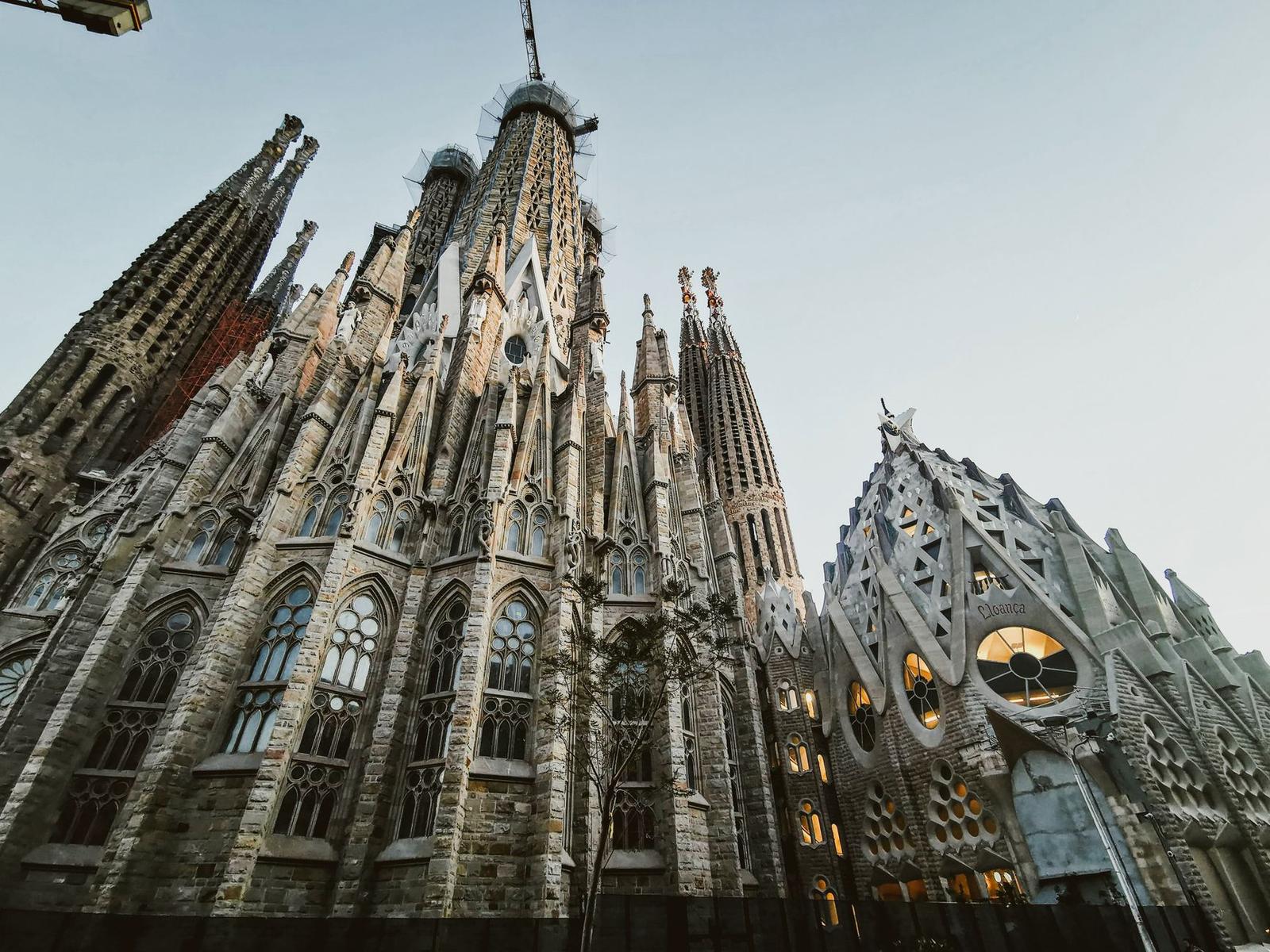
Barcelona’s official tourist board reports that hotel occupancy reached 88 percent this morning, signaling the start of a record-breaking July. For those currently navigating the heat of the Eixample or the crowds of the Gothic Quarter, the city calendar offers a dense rotation of major cultural events that demand advanced planning.
The summer festival circuit
The Grec Festival of Barcelona remains the city’s crown jewel for performing arts. Running through July 31, the program features 87 distinct productions spanning contemporary dance, theater, and circus arts. Performances at the Teatre Grec-a stone amphitheater carved into the side of Montjuïc hill-are already 70 percent sold out. If you are aiming for a seat at the main stage, check the ticket portal for the remaining late-night acoustic sets, which currently range from 25 to 45 euros per person.
Beyond the formal stages, the neighborhood of Poble-sec is currently hosting its annual festa major. Locals have hung colored bunting across Carrer de Blai, marking the transition from quiet morning streets to the evening tradition of tapeo. Unlike the larger, international festivals, these neighborhood celebrations provide a window into the city’s hyper-local identity. Expect traditional correfocs-fire runs-where local groups dressed as devils set off fireworks through the narrow streets beginning around midnight this weekend.
Practical tips for the heatwave
Meteorological data from the Fabra Observatory confirms that this July has seen an average temperature spike of 2.4 degrees Celsius compared to the ten-year historical mean. The city’s municipal water department, Aigües de Barcelona, has opened 14 new public misting stations near the busy intersection of Passeig de Gràcia and Gran Via. If you are planning an afternoon outing, stick to the coastal breeze along the Port Olímpic or seek shelter in the air-conditioned galleries of the Museu Picasso, which has extended its closing hours to 9 p.m. to accommodate the current influx.
Entry to the city’s most popular sites, including the Sagrada Família, now requires a confirmed time slot booked at least 72 hours in advance. Do not attempt to walk up to the ticket office on Carrer de Mallorca; staff at the visitor gate are turning away hundreds of tourists daily. For those looking to escape the gridlock of the city center, the Renfe R2 Sud train line offers a 45-minute connection from Passeig de Gràcia to the quieter beaches of Castelldefels, where the crowd density is significantly lower than at Barceloneta. Carry your hydration pack and avoid the mid-afternoon sun between 2 p.m. and 5 p.m., as local health services are reporting a surge in heat-related consultations this week.